Understanding Protein and Essential Amino Acids for Healing

By David Julian – The Natural Vitality Advocate


Why Amino Acids Matter on a Healing Journey

“Where do you get your protein?”
On the Medical Medium path, this question comes up a lot. But the truth is: it’s not protein we need—it’s the essential amino acids that build, repair, and heal.

In this post, I’ll share how I meet my amino acid needs without meat, dairy, or protein powders, and how I support deep healing of my brain, muscles, and nervous system.


What Are Essential Amino Acids (EAAs)?

Essential amino acids are the 8 amino acids (histidine, isoleucine, leucine, lysine, methionine, phenylalanine, threonine, valine) your body can’t make on its own. You must get them from food or supplementation to:

  • Build and repair tissue
  • Support neurotransmitters (serotonin, dopamine, GABA)
  • Detoxify the liver
  • Fuel your immune system
  • Protect your nervous system

The Protein Myth (What Medical Medium Teaches)

“It’s not about how much protein you eat—it’s about how well your body can use the amino acids you give it.” – Anthony William

Medical Medium teaches that:

  • Too much protein—especially from animal products—feeds viruses and overburdens the liver
  • Protein powders are harsh on the kidneys and unnecessary
  • Clean amino acids from fruits and greens are safe, effective, and healing

Where I Get My Amino Acids on the Medical Medium Path

1. Fruits

Fruit has been unfairly criticized in modern health trends, often blamed for everything from weight gain to blood sugar spikes. But the Medical Medium information sets the record straight—fruit is not the enemy. In fact, it’s one of the most life-giving, amino-acid-rich foods available to us.

Fruits are powerful because they offer:

• Bioavailable amino acids in a clean, non-inflammatory form

Healing glucose that fuels the liver, brain, and every cell in the body

Antioxidants and phytochemicals that neutralize toxins and oxidative stress

Hydration through structured water naturally present in fruit flesh

Natural antiviral properties that help reduce viral load and support the immune system

Some of my daily staples include:

Bananas – rich in tryptophan to support serotonin and mood stability

Wild blueberries – top-tier brain and nerve healers

Mangoes, oranges, papayas – rich in vitamins, enzymes, and gentle detox power

Apples, pears, figs and dates – grounding, soothing, and mineral-rich

I’ve made fruit a foundational part of my healing, and it’s helped me stabilize energy, lift brain fog, calm my nervous system, and support detox—without needing protein powders or processed snacks. Fruit is God-given, healing, and deeply intelligent in how it nourishes the human body.

2. Potatoes, Sweet Potatoes & Squash

Potatoes, sweet potatoes, and winter squash are often misunderstood, especially by those following low-carb or high-protein trends—but on the Medical Medium path, they’re absolute staples. These humble foods are clean, grounding carbohydrates that also happen to be excellent sources of amino acids in a highly digestible, healing form.

These healing root vegetables are:

Rich in essential amino acids that support muscle repair, nerve function, and neurotransmitter production

Packed with glucose, the preferred fuel source for the liver, brain, and immune system

Supportive of adrenal health, helping stabilize energy and blood sugar

Alkalizing and anti-inflammatory, aiding digestion and calming the gut

Free from dietary triggers like fat, excess protein, and food chemicals that can burden the liver

I include them in my lunch or dinner almost daily—not just because they’re satisfying, but because they help rebuild tissue, support detoxification, and calm the central nervous system. They’re simple, healing foods that carry deep nutritional intelligence and align perfectly with how the body truly heals.

3. Leafy Greens & Herbs

I regularly include spinach, romaine, butter and leaf lettuces, cilantro, and parsley in my healing meals—either fresh in salads, juiced, blended in smoothies, or lightly steamed. These greens are far more than just roughage; they’re nutrient-dense powerhouses that provide some of the most healing forms of plant-based amino acids available.

These leafy greens and herbs are rich in:

Bioavailable amino acids that help rebuild tissue and strengthen the nervous system

Trace minerals like magnesium, calcium, and potassium that support adrenal and brain health

Chlorophyll, which oxygenates the blood and helps cleanse the liver

Electrolytes that stabilize cellular communication and hydration

Natural antiviral and antibacterial compounds that help reduce viral load and inflammation

These aren’t just salad fillers—they are essential tools for regeneration, especially when healing from chronic illness, neurological stress, or immune dysfunction. I make it a point to include these greens in my daily routine to fuel detox, rebuild my nervous system, and support brain clarity.

4. Spirulina & Barley Grass Juice Powder (BGJP)

Included in my Heavy Metal Detox Smoothie, these superfoods:

  • Rebuild tissues
  • Support brain detox
  • Bind and remove metals
  • Fuel immune cells

5. Sprouts & Microgreens

I use a daily mix of organic alfalfa, radish, broccoli, and clover microgreens. This blend is rich in chlorophyll, trace minerals, and amino acids that are easily absorbed by the body and highly effective for cellular healing.

These microgreens are loaded with:

Bioavailable amino acids to support muscle and nerve repair

Enzymes that enhance digestion and detox

Minerals that nourish the adrenals and brain

Anti-inflammatory and antiviral properties that assist the immune system

I add a handful of this vibrant, living food to lunch or dinner each day as part of my commitment to rebuilding from the inside out. These tiny greens carry a tremendous amount of life force and healing energy—without burdening the liver or feeding pathogens.


Why I Personally Choose to Supplement with Essential Amino Acids

Even on a healing diet rich in fruits, greens, potatoes, and superfoods, I’ve found that sometimes the body needs extra support. This is especially true during periods of intense healing or physical rebuilding, such as:

• Brain and nerve recovery

• Post-seizure repair

• Detox from heavy metals or viral waste

• Muscle rebuilding and fitness recovery

• Chronic illness or long-standing deficiencies

For me, adding essential amino acid supplementation has been a way to fill in the gaps and help my body restore what’s been depleted over years of illness, neurological trauma, and detox work.

I want to be clear:

This is a personal decision that I’ve made based on my specific healing needs. It’s not something I believe everyone must do.

Some people may get all the amino acids they need from their diet alone—especially if their liver and digestion are strong, and they’re not dealing with the same level of neurological or muscular recovery that I am. Others may choose to use supplementation only temporarily, or not at all.

That’s the beauty of the Medical Medium path—it allows for flexibility and intuition.

We’re all walking different journeys, and I deeply respect everyone’s right to choose what feels right for their body.

For me, supplementing with clean, high-quality essential amino acids has provided:

Greater physical resilience

Faster recovery from exertion or flares

Increased strength and stamina during detox

Mental clarity and better emotional balance

Support for neurotransmitters and nervous system repair

It’s not about pushing protein. It’s about giving my body the raw materials it needs—in a form it can absorb and use efficiently—so I can keep healing and living with strength, clarity, and peace. Supplemental EAAs help me fill in those gaps without stressing the liver. They’re fast-absorbing and highly effective for deep repair.


What Happens If You Don’t Get Enough Amino Acids?

While the modern world is hyper-focused on protein intake, it rarely discusses what really matters—essential amino acids (EAAs) in a form the body can actually use. Without them, the body begins to break down, struggle, and stall in its healing. This isn’t about protein deficiency in the conventional sense—it’s about a deficiency in the building blocks of life.

Even if someone is eating “clean,” they may still lack the essential amino acids needed for core functions like tissue regeneration, neurotransmitter creation, detox, and immune response. And on a healing journey, when the body is doing deep internal repair, those needs increase even more.

Here’s what can happen when the body doesn’t receive enough EAAs:

Muscle Breakdown

Without sufficient amino acids, the body will start to catabolize its own muscle tissue to access what it needs. This leads to:

• Weakness and loss of strength

• Soreness even after light activity

• Physical instability or poor posture

Especially when healing from chronic illness, injury, or prolonged detox, preserving muscle is critical—not just for mobility, but for supporting metabolism and nervous system balance.

Neurotransmitter Imbalance

EAAs are the raw materials for brain chemicals like serotonin, dopamine, GABA, and melatonin. If the body doesn’t have enough:

• Brain fog becomes persistent

• Anxiety and depression can deepen

• Sleep becomes shallow or disrupted

As someone healing from neurological trauma, epilepsy, and PTSD, I know firsthand how crucial it is to keep neurotransmitters supported. Without adequate EAAs, emotional stability and mental clarity begin to slip.

Detox Stagnation

Your liver needs amino acids to build detox enzymes and carry out chemical conversions in both Phase I and Phase II detox pathways. Without them:

• The liver becomes overburdened

• Toxins recirculate instead of being eliminated

• Symptoms like skin breakouts, fatigue, and headaches flare up

In a Medical Medium lifestyle, we ask a lot of the liver—celery juice, HMDS, herbs, and more. But without amino acids, the liver lacks the fuel it needs to actually perform the detox.

Immune Weakness

Amino acids help create antibodies, immune cells, and repair damaged tissue from viral warfare. When deficient:

• Viral reactivations become more common

• Infections linger or recur

• Inflammation rises in the background

For anyone dealing with chronic EBV, shingles, or other hidden pathogens, EAAs are not optional—they’re required armor in the fight.

Poor Repair and Recovery

From skin to joints to hair, amino acids are needed for:

• Collagen production

• Connective tissue regeneration

• Hormonal balance and stress recovery

Without enough:

• Hair may thin or fall out

• Nails become brittle

• Wounds heal slowly or poorly

• Tissue pain or sensitivity can persist

Whether recovering from surgery, a seizure, or the wear and tear of daily detox, your body can only rebuild if it has the foundational materials—EAAs.

Bottom Line: You Can’t Heal Without the Building Blocks

We don’t have to overconsume protein to get these essential aminos—but we do need to get them from the right sources: fruit, greens, healing plants, and—when appropriate—clean supplemental support.

The difference between surviving and thriving often comes down to one question:

“Is my body being given what it actually needs to rebuild?”

When the answer is yes, healing deepens.

When it’s not, progress can plateau—no matter how perfect the rest of the protocol looks.


How Much Do You Need to Thrive?

Instead of counting grams, Medical Medium encourages focusing on absorption and clean sources.

Here’s my daily amino acid foundation:

  • Fruits – Smoothies, snacks, and meals
  • Potatoes/Sweet Potatoes – Lunch or dinner
  • Leafy Greens & Herbs – Juices, salads, cooked dishes
  • Spirulina + BGJP – Daily in my Heavy Metal Detox Smoothie
  • Microgreens & Sprouts – Added to meals
  • Essential Amino Acid Support – Used therapeutically as part of my healing plan

Clean Aminos Are the Key

I’ve learned firsthand that I don’t need animal protein to heal. What I need are the right building blocks—clean, plant-based amino acids that repair, protect, and fuel my recovery.

Thanks to Medical Medium’s teachings, I’ve experienced:

  • Stronger energy
  • Better sleep
  • Faster muscle recovery
  • Reduced seizure activity
  • Clearer mood and focus

You can thrive on this path—without compromise.


Disclaimer:

The content on this site, including blog posts, shared material, and external links, is for informational purposes only and is not a substitute for professional medical advice, diagnosis, or treatment. Always consult a qualified healthcare professional before making any changes to your health regimen, including medications, diet, exercise, or supplementation.

David Julian, Natural Vitality Advocate, is not a licensed medical professional. The views expressed in this blog and shared content are those of the respective authors and do not guarantee accuracy, completeness, or reliability.

David Julian is not affiliated with Natural Vitality or NaturalVitality.com. He does not promote, sell, or take a position for or against them.

Dealing with PTSD and Epilepsy: My Path to Recovery

A Difficult Transition in My Epilepsy Journey

I received some disappointing and shocking news—something I never expected. I’ve been with my neurologist for eight years, and together, we’ve tried everything to manage my seizures. Years ago, we even consulted the epileptologist in his group, and the conclusion was that my doctor was doing all he could.

Over the years, I’ve seen more doctors and been through more medical facilities than I care to count—it’s exhausting to think about. My current neurologist works out of a Level 3 Comprehensive Epilepsy Treatment Center, and at my last appointment on Tuesday, after explaining my recent struggles, he looked at me with a heavy heart and said:

“David, it’s not that I don’t want you here, but I need to transfer your care to a Level 4 Comprehensive Epilepsy Treatment Center—UCI—where you’ll be under the care of a team of five epileptologists. They have access to resources I don’t.”

Hearing those words broke my heart.

Building a strong, trusting relationship with a doctor is incredibly difficult, and I had that with him. My first question was, “What are they going to do that we haven’t already tried?” I’ve been on countless medications (26 is more than enough), I’m not a candidate for surgery, and I’ve already had a Vagus Nerve Stimulator (VNS) implanted. So, what’s next?

He explained that my case is complex, and UCI has access to new research programs and advanced treatment options that might offer something different. While I understand his reasoning, it doesn’t make it any easier. I first met with an epileptologist at UCI when I was 19 years old—now, decades later, I’m returning to see if they can offer any hope for improvement.

I’ll go. But I’m not feeling hopeful.

Understanding Level 4 Epilepsy Centers

For those unfamiliar, Level 4 Comprehensive Epilepsy Centers are the highest level of epilepsy care available. They offer:

Specialized teams of epileptologists (neurologists who focus solely on epilepsy)
Advanced diagnostic tools like long-term video EEG monitoring
Access to clinical trials and cutting-edge treatments
Comprehensive surgical evaluations (even if a patient isn’t a candidate, they can assess alternative approaches)
Multidisciplinary support teams including neurologists, neuropsychologists, and dietitians

If you or a loved one is struggling with uncontrolled seizures, you can find an epilepsy center near you through the National Association of Epilepsy Centers (NAEC):
🔗 Find an Epilepsy Center

A New Diagnosis to Process

On another note, I’ve been battling through a lot since my mTBI (mild traumatic brain injury) in December. For months, I’ve been overwhelmed by symptoms that I couldn’t fully understand. During my visit on Tuesday, I received an official diagnosis of PTSD and Post-Concussion Syndrome (PCS).

While I’m relieved to finally have answers—because a diagnosis means I can move forward with treatment—the news still hit hard. At times, it’s been difficult just to breathe.

What is Post-Concussion Syndrome (PCS)?

PCS is a condition that occurs after a traumatic brain injury (TBI) and can cause symptoms such as:
🧠 Chronic headaches or migraines
😵‍💫 Dizziness and balance issues
🔦 Sensitivity to light and noise
💤 Sleep disturbances
😞 Depression, anxiety, and mood swings
🧠 Cognitive challenges (brain fog, memory issues)

Since I also live with epilepsy, these symptoms overlap with my existing neurological challenges, making everything even more difficult to manage.

🔗 More on PCS: Brain Injury Association of America

PTSD: A Silent Struggle

Living with a neurological disorder is already overwhelming, but adding PTSD to the mix has been incredibly challenging. PTSD (Post-Traumatic Stress Disorder) can develop after experiencing a life-threatening event—like a seizure-related injury, brain trauma, or even the daily stress of living with a condition like epilepsy.

Symptoms of PTSD include:
Flashbacks & intrusive thoughts – Reliving traumatic moments, even when trying to move forward
Hypervigilance & anxiety – Feeling constantly “on edge”
Emotional numbness – Struggling to feel joy or connection
Sleep disturbances & nightmares – Reliving trauma at night

Coping with PTSD & PCS requires a multi-faceted approach, including:
🧘‍♂️ Mind-Body Practices – Meditation, breathwork, and grounding techniques
📖 Therapeutic Support – Working with a trauma-informed therapist
💊 Holistic & Nutritional Support – Anti-inflammatory diets, targeted supplements
💪 Lifestyle Adjustments – Reducing sensory overload, prioritizing rest, and seeking supportive communities

If you’re struggling with PTSD, know that help is available.
🔗 National Center for PTSD


Moving Forward

This has been a difficult season in my life, but I know I’m not alone. I also know that accepting help and seeking new solutions is sometimes the hardest step.

To anyone reading this who is also fighting epilepsy, PCS, PTSD, or any other chronic health battle—I see you. You’re not alone. Healing isn’t linear, but every step forward is still progress.

If you have experience with Level 4 epilepsy centers, PCS, or PTSD, I’d love to hear your thoughts. What worked for you? What didn’t?

🙏 God bless everyone walking this journey.

Disclaimer:

The content on this site, including blog posts, shared material, and external links, is for informational purposes only and is not a substitute for professional medical advice, diagnosis, or treatment. Always consult a qualified healthcare professional before making any changes to your health regimen, including medications, diet, exercise, or supplementation.

David Julian, Natural Vitality Advocate, is not a licensed medical professional. The views expressed in this blog and shared content are those of the respective authors and do not guarantee accuracy, completeness, or reliability.

David Julian is not affiliated with Natural Vitality or NaturalVitality.com. He does not promote, sell, or take a position for or against them.

2017 ILAE Seizure Classification Explained

Understanding the 2017 ILAE Seizure Classification System

In 2017, the International League Against Epilepsy (ILAE) released an updated seizure classification system, refining and expanding the framework originally introduced in 1981. The revised system was designed to improve clinical clarity, diagnostic accuracy, and communication among patients, caregivers, and medical professionals.

Key updates include:

  • Reclassification of certain seizure types, with some seizures previously considered generalized now recognized as focal in origin.
  • Incorporation of awareness as a defining feature, distinguishing seizures by whether awareness is retained or impaired.
  • Emphasis on initial clinical presentation, prioritizing the first observable symptom rather than later manifestations.
  • Expanded generalized seizure categories to reflect a broader range of clinical presentations.
  • Introduction of an unknown-onset category for seizures in which the point of origin cannot be determined.
  • Updated terminology to replace outdated language and improve understanding.

Under the 2017 ILAE framework, seizures are classified according to their point of origin in the brain:

  • Focal-onset seizures – originating in one area of the brain
  • Generalized-onset seizures – involving both hemispheres from onset
  • Unknown-onset seizures – origin cannot be clearly determined

What follows is an overview of common seizure types under this classification system.


Focal-Onset Seizures (Previously Called Partial Seizures)

Focal seizures begin in a specific area of the brain and may remain localized or spread to other regions. They are further categorized based on awareness:

  • Focal Aware Seizures – awareness remains intact.
  • Focal Impaired Awareness Seizures – awareness is altered or lost.

Types of Focal Seizures

  • Focal Motor Seizures – involve abnormal movements such as jerking, twitching, or posturing.
  • Focal Non-Motor Seizures – involve sensory, emotional, cognitive, or autonomic changes without prominent movement.

Common Presentations of Focal Seizures

  • Auras, including unusual smells, visual disturbances, déjà vu, or rising abdominal sensations
  • Autonomic symptoms, such as nausea, changes in heart rate, or sweating
  • Emotional manifestations, including sudden fear, anxiety, or euphoria
  • Frontal lobe seizures, which may involve complex movements, vocalizations, or behaviors during sleep
  • Occipital lobe seizures, often presenting with visual phenomena or temporary vision loss
  • Temporal lobe seizures, the most common focal epilepsy type, frequently associated with staring, automatisms, or emotional changes

Generalized-Onset Seizures

Generalized seizures involve both hemispheres of the brain at onset and typically result in impaired awareness or loss of consciousness.

Types of Generalized Seizures

  • Absence seizures – brief episodes of staring, usually lasting several seconds
  • Atypical absence seizures – similar to absence seizures but with more pronounced motor features
  • Myoclonic seizures – sudden, brief muscle jerks
  • Tonic seizures – sustained muscle stiffening, often leading to falls
  • Clonic seizures – rhythmic, repetitive muscle jerking
  • Tonic-clonic seizures – a tonic phase followed by clonic movements
  • Atonic seizures – sudden loss of muscle tone, commonly referred to as “drop attacks”

Examples of Generalized Epilepsy Syndromes

  • Juvenile Myoclonic Epilepsy, characterized by early-morning myoclonic jerks
  • Infantile spasms (West syndrome), typically occurring in infants under one year of age and associated with developmental concerns
  • Gelastic seizures, involving inappropriate laughter or crying, often linked to hypothalamic abnormalities

Unknown-Onset Seizures

When the initial point of seizure onset cannot be determined, the seizure is classified as unknown-onset until further diagnostic information becomes available.

  • Unknown-onset motor seizures, which may include tonic-clonic features
  • Unknown-onset non-motor seizures, involving sensory, autonomic, or cognitive changes

Examples include seizures occurring exclusively during sleep or subtle episodes with minimal outward symptoms that are easily misinterpreted.


Special Seizure Types and Triggers

Some seizures do not fit neatly into standard categories but remain clinically important.

Hormone-Related and Reflex Seizures

  • Catamenial epilepsy, in which seizure frequency increases in relation to menstrual cycles
  • Photosensitive epilepsy, triggered by flashing or flickering lights
  • Reflex epilepsies, provoked by specific stimuli such as reading, music, or tactile input

Seizures Secondary to Other Conditions

  • Post-traumatic epilepsy, resulting from head injury or brain trauma
  • Eclampsia-related seizures, occurring during pregnancy or the postpartum period
  • Withdrawal-related seizures, associated with abrupt cessation of alcohol or certain medications

Diagnosing Seizure Type

Accurate seizure classification requires careful evaluation, often involving multiple diagnostic tools:

  • Electroencephalography (EEG) to assess abnormal electrical brain activity
  • Magnetic resonance imaging (MRI) or computed tomography (CT) to identify structural abnormalities
  • Video EEG monitoring to correlate clinical events with electrical activity
  • Genetic testing when inherited epilepsy syndromes are suspected

Consultation with an epileptologist or evaluation at a Level 3 or Level 4 epilepsy center is often recommended for complex cases.


Additional Resources


Final Thoughts

A clear understanding of seizure classification supports accurate diagnosis, informed treatment decisions, and improved patient education. The 2017 ILAE update provides a more precise and accessible framework that reflects current scientific understanding.

Individuals experiencing seizures should seek evaluation by a qualified epilepsy specialist to ensure appropriate diagnosis and care.


Disclaimer

The content provided here is for informational purposes only and is not intended to substitute for professional medical advice, diagnosis, or treatment. Always consult a qualified healthcare professional regarding medical concerns or treatment decisions.

David Julian, Natural Vitality Advocate, is not a licensed medical professional. The views expressed are informational in nature and do not guarantee accuracy or completeness.

David Julian is not affiliated with Natural Vitality or NaturalVitality.com and does not promote or sell their products.

What is Status Epilepticus and SUDEP?

Epilepsy is a complex neurological condition affecting millions of people worldwide. Among its most serious and life-threatening complications are Status Epilepticus (SE) and Sudden Unexpected Death in Epilepsy (SUDEP). Understanding these conditions, associated risks, and available prevention strategies is essential for individuals living with epilepsy, as well as for caregivers and healthcare professionals.


What Is Status Epilepticus (SE)?

Status epilepticus is a medical emergency characterized by a seizure that lasts an abnormally long time or by repeated seizures without recovery between episodes. Current clinical guidelines define SE as a seizure lasting longer than five minutes, or two or more seizures occurring consecutively without regaining full consciousness.

Types of Status Epilepticus

  1. Convulsive Status Epilepticus (CSE): Involves prolonged or repeated tonic-clonic seizures and carries a high risk of mortality.
  2. Non-Convulsive Status Epilepticus (NCSE): May present as confusion, altered awareness, or subtle behavioral changes without visible convulsions, making it harder to recognize.

Why Status Epilepticus Is Dangerous

  • Prolonged seizure activity can result in permanent brain injury, respiratory failure, or death if not treated promptly.
  • An estimated 195,000 cases of SE occur annually in the United States, with approximately 50,000 associated deaths.

Emergency Response for Status Epilepticus

Immediate medical attention is required if a seizure lasts longer than five minutes. Hospital treatment may include benzodiazepines, additional anti-seizure medications, airway management, and supportive interventions such as oxygen therapy.

Additional information:
Epilepsy Foundation – Status Epilepticus


What Is SUDEP (Sudden Unexpected Death in Epilepsy)?

Sudden Unexpected Death in Epilepsy (SUDEP) refers to the sudden, unexplained death of a person with epilepsy in whom no other cause of death is identified. In many cases, SUDEP occurs during sleep, and evidence suggests a seizure occurred shortly before death.

Possible Mechanisms of SUDEP

Although the exact cause remains unknown, current research suggests seizures may trigger a fatal combination of factors, including:

  • Cardiac arrhythmias (abnormal heart rhythms)
  • Respiratory dysfunction, such as seizure-induced apnea or pulmonary edema
  • Oxygen deprivation following a seizure
  • Post-seizure body positioning, particularly prone (face-down) positioning

How Common Is SUDEP?

The risk of SUDEP varies depending on epilepsy severity and seizure control:

  • 0.09–1.2 per 1,000 people per year in the general epilepsy population
  • 1.1–5.9 per 1,000 per year in individuals with drug-resistant epilepsy
  • 6.3–9.3 per 1,000 per year in individuals with failed epilepsy surgery

Recent studies suggest that SUDEP may account for up to 30 percent of epilepsy-related deaths. Due to underreporting and limited postmortem investigations, the true incidence may be higher.

Further reading:
CDC – SUDEP Fact Sheet


Who Is at Higher Risk for SUDEP?

Major risk factors associated with SUDEP include:

  • Uncontrolled or frequent seizures
  • Generalized tonic-clonic seizures
  • Early onset of epilepsy
  • Long-standing epilepsy
  • Use of multiple anti-seizure medications (polytherapy)
  • Nocturnal seizures
  • Missed medication doses or inconsistent adherence
  • Abrupt discontinuation of anti-seizure medications
  • Epilepsy associated with developmental disabilities

SUDEP is considered rare among individuals with well-controlled epilepsy, those without tonic-clonic seizures, and individuals who are newly diagnosed.


Reducing the Risk of SUDEP

While SUDEP cannot always be prevented, several strategies may help reduce risk:

  • Strict medication adherence as prescribed
  • Regular follow-up with a neurologist to assess seizure control
  • Seizure tracking to identify patterns or triggers
  • Avoiding sudden medication changes without medical guidance
  • Nighttime supervision or monitoring using seizure alert devices when appropriate
  • Education in seizure first aid for family members and caregivers

Seizure safety information:
Epilepsy Foundation – Seizure First Aid


Seizure First Aid and Emergency Response

During a seizure:

  • Remain calm and time the seizure
  • Gently turn the person onto their side
  • Clear the area of objects that could cause injury
  • Do not place anything in the person’s mouth
  • Call emergency services if the seizure lasts longer than five minutes

After a seizure:

  • Check breathing and responsiveness
  • Allow time for rest and recovery
  • If breathing stops, begin CPR if trained and seek emergency assistance

CPR training resources:
American Red Cross – CPR Classes


The Future of SUDEP Research

The biological mechanisms behind SUDEP are still being studied. Ongoing research focuses on:

  • The interaction between seizures and cardiac function
  • Respiratory suppression and post-seizure hypoxia
  • Genetic factors that may increase vulnerability
  • Advanced seizure monitoring technologies, including wearable and implantable devices

The long-term goal of SUDEP research is prevention through improved risk identification, monitoring, and intervention.

Ongoing research initiatives:
National Institute of Neurological Disorders and Stroke – Epilepsy Research


Raising Awareness Through Education

I work to raise awareness about SUDEP through education on seizure recognition, first aid, and risk reduction. Increased understanding leads to better preparedness and, ultimately, safer outcomes.

If you or someone you care for is living with epilepsy, staying informed and engaged with qualified medical professionals is essential.


Disclaimer

The content provided here, including blog posts, shared materials, and external links, is for informational purposes only and is not intended to replace professional medical advice, diagnosis, or treatment. Always consult a qualified healthcare professional before making changes to medications, treatment plans, or lifestyle practices.

David Julian, Natural Vitality Advocate, is not a licensed medical professional. The views expressed are informational in nature and do not guarantee accuracy or completeness.

David Julian is not affiliated with Natural Vitality or NaturalVitality.com and does not promote or sell their products.

Understanding Epilepsy: Symptoms, Causes, and Risks

What IS Epilepsy?

Epilepsy is a neurological condition characterized by a tendency of the brain to release electrical discharges that disrupt normal brain activity. This abnormal electrical activity results in seizures, which are the main symptom of the condition. Seizures can range from short, unnoticed episodes to severe, convulsive movements, and they can last anywhere from a few seconds to several minutes.

Importantly, not every seizure indicates epilepsy. Epilepsy is defined by the presence of recurrent seizures that occur due to an underlying predisposition of the brain to produce abnormal electrical activity. A single seizure might be a one-off event triggered by specific factors (such as sleep deprivation or head trauma), but recurrent episodes are considered a hallmark of epilepsy.

The Prevalence and Global Impact of Epilepsy

Epilepsy is one of the most common neurological conditions worldwide. An estimated 65 million people globally live with epilepsy, making it a significant public health concern (World Health Organization). In the United States alone, approximately 3.4 million Americans have epilepsy, with 150,000 new diagnoses each year (Epilepsy Foundation).

Epilepsy’s prevalence varies by age and demographic factors, with the highest rates of onset seen in children and older adults. Data from the Centers for Disease Control and Prevention (CDC) indicate that 1 in 26 people in the U.S. will develop epilepsy at some point in their lifetime (CDC Epilepsy).

In Orange County, California, it is estimated that around 30,000 people are affected by epilepsy, and across California, approximately 380,000 individuals live with the condition. This highlights the widespread nature of epilepsy, even in localized regions. (California Department of Public Health).

Types of Seizures and Epilepsy Syndromes

Seizures can be classified into several types based on their characteristics and the areas of the brain involved. There are two primary categories of seizures:

  1. Focal Seizures (Partial Seizures): These seizures originate in one part of the brain and can result in motor, sensory, or emotional disturbances depending on the brain region affected. Focal seizures can be further classified into:
    • Focal aware seizures: The individual remains conscious but may experience unusual sensations or movements.
    • Focal impaired awareness seizures: The person loses consciousness or awareness during the seizure.
  2. Generalized Seizures: These seizures affect both sides of the brain and often lead to loss of consciousness. The most common types of generalized seizures are:
    • Tonic-clonic seizures (formerly known as grand mal): These are the most well-known type of seizure, characterized by stiffening (tonic) and rhythmic jerking (clonic) movements.
    • Absence seizures: Short episodes of impaired awareness without significant physical movements, most common in children.
    • Myoclonic seizures: Quick, jerking movements of the muscles.

Mortality and Risks: The Hidden Dangers of Epilepsy

Epilepsy is not only a cause of disability but also a significant contributor to mortality. In fact, up to 50,000 deathsoccur each year in the United States due to epilepsy-related causes, including Sudden Unexpected Death in Epilepsy (SUDEP). Individuals with epilepsy are at 24 times greater risk of dying suddenly compared to the general population (Epilepsy Foundation).

SUDEP is the leading cause of death in individuals with epilepsy, and while its exact cause is not fully understood, researchers have identified several risk factors, such as poorly controlled seizures, especially those that occur during sleep (Epilepsy Research UK).

Additionally, seizure-related accidents—such as drowning, car crashes, and falls—contribute to the higher mortality rate among people with epilepsy (CDC).

Causes of Epilepsy: From Genetic to Acquired Factors

Epilepsy can be caused by a variety of factors, and it can be classified based on the known or unknown origin of the condition:

1. Idiopathic Epilepsy (Unknown Cause)

In about 70% of epilepsy cases, the exact cause is unknown. This is referred to as idiopathic epilepsy. Many of these cases are believed to have a genetic component, though the specific genes involved are often not fully identified. Genetic mutations can cause changes in the brain’s neuronal signaling, making the brain more likely to experience abnormal electrical discharges.

2. Symptomatic Epilepsy (Known Cause)

In about 30% of people with epilepsy, the condition is caused by identifiable factors. Common causes of symptomatic epilepsy include:

  • Head trauma: Brain injuries from accidents or surgery can lead to the development of epilepsy (National Institute of Neurological Disorders and Stroke (NINDS)).
  • Brain tumors: Tumors can interfere with normal brain function and trigger seizures.
  • Stroke: A stroke deprives the brain of oxygen, which can lead to long-term brain damage and seizures (American Heart Association).
  • Infections: Meningitis, viral encephalitis, and other infections can cause inflammation in the brain, leading to epilepsy.
  • Genetic conditions: Certain genetic syndromes, such as Dravet Syndrome and Lennox-Gastaut Syndrome, are associated with epilepsy.
  • Metabolic disorders: Conditions like Celiac disease, neurocysticercosis, and hypoglycemia can also lead to seizures.

3. Environmental Factors

Certain environmental triggers can provoke seizures, particularly in those already diagnosed with epilepsy:

  • Sleep deprivation: One of the most common seizure triggers, as insufficient sleep can make the brain more excitable (National Sleep Foundation).
  • Flashing lights: Photosensitive epilepsy can be triggered by flashing lights or visual patterns at certain frequencies (Epilepsy Foundation).
  • Drug use: Exposure to drugs, including recreational substances or overdoses of medications, can induce seizures in vulnerable individuals (FDA Drug Safety).

Seizure Triggers and How to Manage Them

For individuals with epilepsy, managing triggers is a key part of seizure control. Common triggers include:

  • Stress: Emotional stress can increase seizure frequency in some individuals.
  • Hormonal changes: Some women experience more seizures around their menstrual cycle, a condition known as catamenial epilepsy (American Epilepsy Society).
  • Flashing lights: As mentioned earlier, flashing or flickering lights at certain frequencies can trigger seizures in individuals with photosensitive epilepsy.
  • Sleep deprivation: Consistently getting enough sleep is crucial in preventing seizures.

The Role of Seizure Diaries

One valuable tool for managing epilepsy is a seizure diary. By tracking seizure frequency, severity, and potential triggers, individuals with epilepsy can better understand their condition and help healthcare providers make informed treatment decisions. Online platforms like Seizure Tracker are useful for tracking seizure data and sharing it with medical professionals.

Conclusion

Epilepsy is a complex and often misunderstood condition that affects millions worldwide. Understanding its causes, symptoms, and the latest research on treatment options is essential in managing the disorder. While there is no cure for epilepsy, advances in medical treatments and therapies continue to improve the quality of life for many people living with the condition.

By raising awareness, improving education on the various seizure types, and advocating for better treatments, we can reduce the stigma surrounding epilepsy and support those who are affected.

Disclaimer:

The content on this site, including blog posts, shared material, and external links, is for informational purposes only and is not a substitute for professional medical advice, diagnosis, or treatment. Always consult a qualified healthcare professional before making any changes to your health regimen, including medications, diet, exercise, or supplementation.

David Julian, Natural Vitality Advocate, is not a licensed medical professional. The views expressed in this blog and shared content are those of the respective authors and do not guarantee accuracy, completeness, or reliability.

David Julian is not affiliated with Natural Vitality or NaturalVitality.com. He does not promote, sell, or take a position for or against them.

Medical ID Bracelets vs. Smartwatches: Which One is Best for You?

Why Wear a Medical Alert Device?

For individuals with chronic health conditions, allergies, epilepsy, diabetes, heart disease, or other medical concerns, having a quick and effective way to communicate vital health information in an emergency can be life-saving.

Traditionally, medical ID bracelets have served this purpose, offering immediate recognition and access to essential health details for first responders. However, with advances in technology, smartwatches like the Apple Watch now provide additional safety features, including fall detection, heart monitoring, and emergency SOS calling.

So, how do traditional medical ID bracelets compare to modern smartwatches when it comes to health emergencies? Let’s take a deep dive into both options, compare the pros and cons, and determine which is best for you.


Medical ID Bracelets: A Time-Tested Solution

medical ID bracelet is a simple yet effective accessory designed to provide critical health information to first responders, paramedics, and emergency personnel.

Advantages of Medical ID Bracelets

✅ Instant Recognition – Medical professionals are trained to look for medical ID bracelets first in an emergency.
✅ No Batteries or Charging Required – A permanent and reliable solution without the need for charging, maintenance, or software updates.
✅ Durability – Made from stainless steel, titanium, silicone, or other materials, medical bracelets are designed to be worn 24/7.
✅ Engraved Information – Displays essential details such as medical conditions, allergies, medications, and emergency contacts.
✅ Emergency Medical Information Access – Some medical ID services, like MedicAlert, provide 24/7 access to your full medical record via a unique identification code on the bracelet.

📌 Learn more about MedicAlert services: Visit MedicAlert.org

Disadvantages of Medical ID Bracelets

❌ Limited Space for Information – Only a few lines of text can be engraved, which may restrict the amount of medical information available.
❌ No Active Monitoring – Unlike smartwatches, medical ID bracelets do not provide alerts, fall detection, or real-time communication with emergency responders.
❌ No GPS Tracking – If you experience an emergency away from home, a medical ID bracelet won’t notify family or emergency services of your location.

📌 Looking for fashionable medical IDs? Check out Lauren’s Hope for stylish, customizable options.


Apple Watch & Smartwatches: The Modern Alternative

The Apple Watch and other smartwatches (Garmin, Samsung Galaxy Watch, Fitbit) have advanced health monitoring features that can act as a medical alert system, especially for people with heart conditions, epilepsy, or a fall risk.

Key Health & Safety Features on Smartwatches

✅ Fall Detection – If a hard fall is detected, the Apple Watch can automatically call emergency services and notify emergency contacts.
✅ Emergency SOS – Press and hold the side button to instantly call 911 and notify emergency contacts.
✅ Heart Rate Monitoring – Alerts you if your heart rate is too high or too low, which can be helpful for people with cardiac conditions.
✅ ECG & Blood Oxygen Monitoring – Some models (Apple Watch Series 6 and later) have FDA-cleared ECG features to detect atrial fibrillation (AFib).
✅ GPS Tracking – If an emergency occurs, family members and emergency responders can track your real-time location.

📌 More on Apple Watch health features: Apple Support – Health & Safety

Disadvantages of Smartwatches as Medical Alert Devices

❌ Battery Life – The Apple Watch and most smartwatches need to be charged every 1–2 days, which could be a problem in an extended emergency.
❌ Not Instantly Recognized – First responders are trained to look for medical ID bracelets, not smartwatches, so they may not immediately check your digital medical profile.
❌ Subscription Fees for Emergency Services – Some smartwatch brands require monthly fees for advanced fall detection and emergency call services.
❌ More Expensive Than Medical ID Bracelets – An Apple Watch costs $250-$800, whereas a medical ID bracelet costs as little as $20-$50.

📌 For a dedicated medical smartwatch, check out: Medical Guardian’s Smartwatch


Medical ID Bracelets vs. Smartwatches: Which Should You Choose?

FeatureMedical ID BraceletApple Watch / Smartwatch
Immediate Recognition by First Responders✅ Yes❌ No
Does Not Require Charging✅ Yes❌ No
Displays Critical Medical Info Instantly✅ Yes❌ Requires Navigation
Automatic Fall Detection & SOS Calling❌ No✅ Yes
GPS Tracking for Emergency Situations❌ No✅ Yes
ECG, Heart Rate, and Oxygen Monitoring❌ No✅ Yes (select models)
Water-Resistant & Durable✅ Yes✅ Yes (varies by model)
Works Without Subscription Fees✅ Yes❌ No (Some features require a plan)
Cost💲💲 (Affordable)💲💲💲💲 (Expensive)

📌 For a hybrid solution, you can wear BOTH! Many people wear a medical ID bracelet for instant recognitionAND an Apple Watch for active monitoring & alerts.


Final Thoughts: Which One is Right for You?

🔹 Choose a Medical ID Bracelet if…
✔️ You want a simple, low-cost, no-maintenance option.
✔️ You need immediate recognition by first responders.
✔️ You have multiple allergies or conditions that need to be clearly engraved.

🔹 Choose an Apple Watch or Smartwatch if…
✔️ You need fall detection, emergency calling, or GPS tracking.
✔️ You have a heart condition and want active health monitoring.
✔️ You’re comfortable with regular charging & tech-based solutions.

🔹 Best Option? Consider Wearing Both.
Many people wear BOTH a medical ID bracelet and an Apple Watch to get the best of both worlds:
✔️ Bracelet for first responders ✔️ Watch for emergency alerts

📌 Find the best medical alert device for your needs: Medical Alert Buyers Guide

📢 Which device do YOU prefer? Are you using a medical ID bracelet, a smartwatch, or both? Drop a comment below and share your experience!

Disclaimer:

The content on this site, including blog posts, shared material, and external links, is for informational purposes only and is not a substitute for professional medical advice, diagnosis, or treatment. Always consult a qualified healthcare professional before making any changes to your health regimen, including medications, diet, exercise, or supplementation.

David Julian, Natural Vitality Advocate, is not a licensed medical professional. The views expressed in this blog and shared content are those of the respective authors and do not guarantee accuracy, completeness, or reliability.

David Julian is not affiliated with Natural Vitality or NaturalVitality.com. He does not promote, sell, or take a position for or against them.

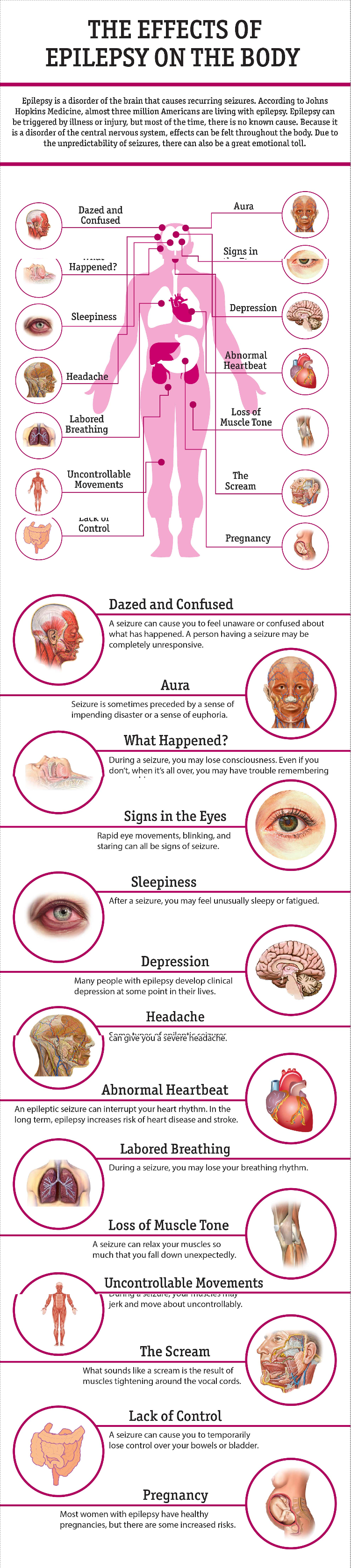
Impact of Epilepsy on Body Systems

Read about how epilepsy and its medications affect your body systems and physiology.

The Effects of Epilepsy on the Body


Thanks to Healthline for a great post.

Source: The Effects of Epilepsy on the Body

Resources used in original post:

Disclaimer:

The content on this site, including blog posts, shared material, and external links, is for informational purposes only and is not a substitute for professional medical advice, diagnosis, or treatment. Always consult a qualified healthcare professional before making any changes to your health regimen, including medications, diet, exercise, or supplementation.

David Julian, Natural Vitality Advocate, is not a licensed medical professional. The views expressed in this blog and shared content are those of the respective authors and do not guarantee accuracy, completeness, or reliability.

David Julian is not affiliated with Natural Vitality or NaturalVitality.com. He does not promote, sell, or take a position for or against them.


The DonJoy Defiance Knee Brace: A Game Changer for Knee Stability and Pain Relief

Leg braces I no longer use - and then the DONJOY (part three)
Click on the image to watch the video

My Journey Through Knee Pain and Bracing

Over the years, I’ve used countless knee braces in an effort to manage my knee pain and weakness. I started with mentholated creams and ace bandages, then progressed to basic off-the-shelf braces. However, none of them provided the support and pain relief I truly needed.

Finally, after years of struggling, I received a custom-built DonJoy Defiance knee brace—and it has been a game changer for my knee stability and, more importantly, my emotional well-being.


My Knee Injury & Why I Needed a Custom Brace

I have severe osteoarthritis in my left knee. Years of epilepsy-related seizure falls have taken a toll, and unfortunately, I seem to always land on that same knee when I have a seizure.

In 2014, one of these falls resulted in a fractured kneecap, accelerating the deterioration of my knee joint. For over a decade, my knee has gradually worsened, until about two years ago, when the sharp pain became unbearable.

Seeking Medical Answers

After multiple doctor visits, X-rays, and tests, I was hoping for a clear solution—maybe even a knee replacement to finally fix the problem. Instead, I was told that surgery wasn’t an immediate option and that my best course of action was to manage my symptoms with physical therapy, pain relief strategies, and bracing.

This was frustrating because chronic knee pain affects more than just mobility—it impacts mental health. The constant discomfort, instability, and fear of falling again led to anxiety and depression, making daily life incredibly difficult.

That’s when my new orthopedic surgeon introduced me to the idea of a custom orthopedic knee brace—one specifically measured and designed for my unique knee condition.


Why I Chose the DonJoy Defiance Custom Knee Brace

The Brace That Changed Everything

Before I got my custom brace, I had tried multiple braces—including off-the-shelf hinged braces and compression sleeves. Some provided temporary relief, but none gave me the stability I needed.

The first time I tried a DonJoy brace was actually by accident. A sales rep at my physical therapy clinic suggested I try one, and after checking with my insurance, I had my first DonJoy brace within two weeks. It was better than anything else I had tried, but it still wasn’t quite enough for long-term support.

Then, in June 2018, my orthopedic surgeon recommended a custom DonJoy Defiance knee brace—a high-performance brace designed for moderate-to-severe knee instability.

📌 Click here to learn more about DonJoy braces: DonJoy Official Website


What Makes the DonJoy Defiance Brace Unique?

The DonJoy Defiance is a custom carbon-composite knee brace designed for individuals with moderate-to-severe ligament instability, including ACL, PCL, MCL, and LCL injuries.

Key Features & Benefits

4-Points-of-Leverage System™ – Clinically proven to reduce ACL strain by at least 50%, offering strong ligament protection.
FourcePoint Hinge Technology – Encourages knee flexion, reducing the risk of hyperextension and re-injury.
Custom Fit – Unlike generic knee braces, the Defiance is measured and molded specifically for your knee, ensuring a perfect fit and maximum comfort.
Lightweight & Low-Profile Design – Made from carbon fiber composite, it’s incredibly lightweight and fits comfortably under clothing.
Used by Professional Athletes – More than 22 of the AP Top 25 NCAA football teams use the Defiance brace for injury prevention.

📌 Research on knee bracing for ACL injuries: Journal of Orthopaedic & Sports Physical Therapy


Who Should Consider a DonJoy Defiance Knee Brace?

This brace is recommended for:

🔹 People with chronic knee instability due to osteoarthritis, ligament injuries, or previous knee trauma.
🔹 Athletes in high-impact sports such as football, basketball, skiing, and motocross.
🔹 Post-surgery patients recovering from ACL/PCL reconstruction or knee ligament injuries.
🔹 Individuals at risk of hyperextension or recurrent knee injuries.

📌 See how a knee brace can help prevent re-injury: American Academy of Orthopaedic Surgeons


My Experience With the DonJoy Defiance Brace

When I first put on my custom DonJoy brace, I noticed an immediate difference.

  • More knee stability – I felt more confident walking and standing.
  • Less pain – The brace redistributed pressure, reducing strain on my joint.
  • Increased mobility – I was able to move more freely without worrying about my knee buckling.

I finally had something that worked—not just for short-term relief, but as a long-term solution for stabilizing my knee and giving me my mobility back.

If you’re struggling with chronic knee pain, ligament instability, or a post-surgical recovery, I highly recommend talking to an orthopedic specialist about a custom knee brace. It might completely change your quality of life—just like it did for me.

📌 Find a specialist who can prescribe a custom brace: American Academy of Orthopaedic Surgeons


Final Thoughts

Knee injuries and chronic pain can limit your lifestyle and impact your mental health. While surgery might not always be an option, bracing can be a powerful tool in managing stability, pain, and mobility.

The DonJoy Defiance custom knee brace has been a game changer for me, and it could be for you too. If you’re dealing with severe knee issues, talk to a doctor or physical therapist to see if this type of custom brace is right for you.

More on knee injury prevention & bracing: National Institutes of Health

📢 Have you tried a knee brace for chronic pain? Share your experiences in the comments!

Watch the video

Disclaimer:

The content on this site, including blog posts, shared material, and external links, is for informational purposes only and is not a substitute for professional medical advice, diagnosis, or treatment. Always consult a qualified healthcare professional before making any changes to your health regimen, including medications, diet, exercise, or supplementation.

David Julian, Natural Vitality Advocate, is not a licensed medical professional. The views expressed in this blog and shared content are those of the respective authors and do not guarantee accuracy, completeness, or reliability.

David Julian is not affiliated with Natural Vitality or NaturalVitality.com. He does not promote, sell, or take a position for or against them.

Famous Figures Who Battled Epilepsy

Even though an estimated 65 million people in the world have epilepsy, a neurological condition of the brain that causes seizures, not many people in the spotlight speak openly about it. Below, is an ever growing list of people — writers, athletes, entertainers, etc., that I’m compiling — who lived and some who are still living, with epilepsy. 

1. Vincent Van Gogh330px-Vincent_van_Gogh_-_Self-Portrait_-_Google_Art_Project_(454045)

‘I am not an adventurer by choice but by fate.’ — Vincent Van Gogh

Doctors believed painter Vincent Van Gogh lived with temporal lobe epilepsy and bipolar disorder, according to the Van Gogh Gallery. “Temporal lobe seizures originate in the temporal lobes of your brain, which process emotions and are important for short-term memory,” according to the Mayo Clinic.

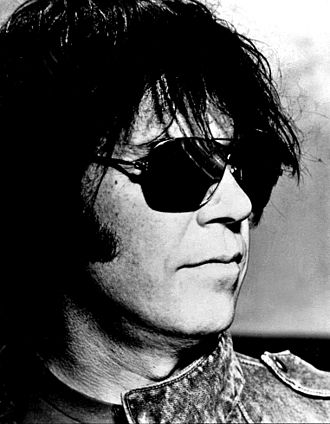
2. Neil Young

Neil_Young_-_1983


Neil Young is a singer and songwriter who lives with epilepsy. He’s also had polio and a brain aneurysm, according to The New York Times. His daughter, Amber Jean, also has epilepsy. Young helped found the Bridge School, where individuals with severe speech and physical impairments can go to learn.

“Epilepsy taught me that we’re not in control of ourselves.” — Neil Young


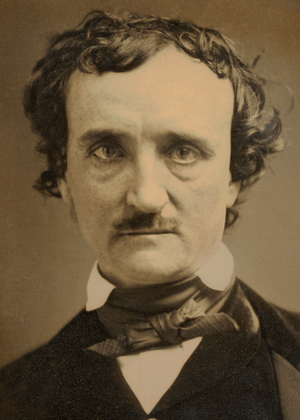
3. Edgar Allan Poe Edgar_Allan_Poe_daguerreotype_crop
“It is happiness to wonder. It is happiness to dream.” — Edgar Allan Poe

“The Raven” poet wrote about his episodic unconsciousness, confusion and paranoia, according to the U.S. National Library of Medicine. While the cause of his death is still unknown, historians think Poe may have died from alcohol abuse, his epilepsy or heart failure, according to the National Endowment for the Arts.

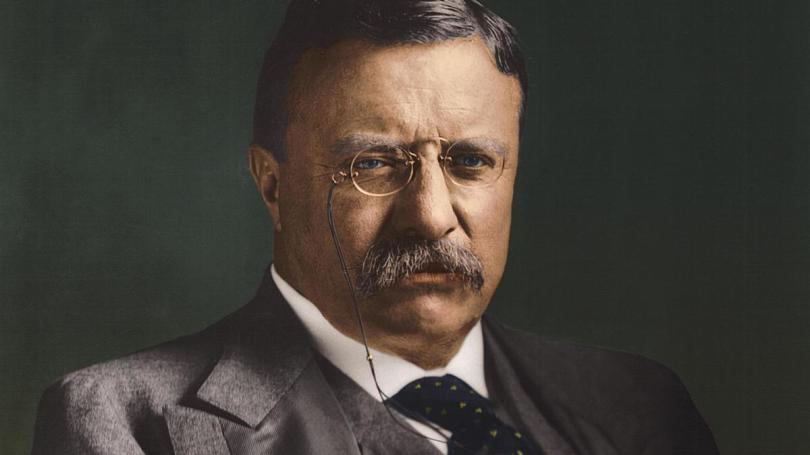
4. Theodore Roosevelt

theodore-roosevelt---sagamore-hill
“Courage is not having the strength to go on; it is going on when you don’t have the strength.” — Theodore Roosevelt

Both Theodore Roosevelt, the 26th President of the United States, and his lesser known brother, Elliot, had seizures throughout their lives, according to the Theodore Roosevelt Center. Elliot Roosevelt died from a seizure a few days after he attempted suicide. Despite Theodore Roosevelt’s many health conditions, he was active outdoors. He was dedicated to preserving our environment and is considered the “Conservationist President,” according to the National Park Service.

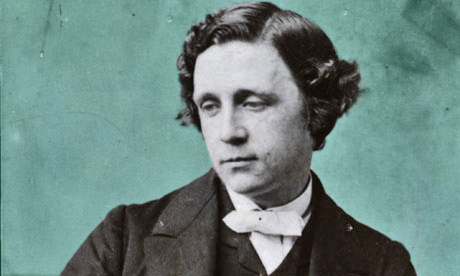
5. Lewis Carroll Lewis-Carroll-teal

“One of the deep secrets of life is that all that is really worth the doing is what we do for others.” — Lewis Carroll

Author Charles Lutwidge Dodgson, known under the pen name “Lewis Carroll,” recorded two of his seizures in journals, according to the Lewis Carroll Society of North America. Doctors now suspect that Carroll lived with temporal lobe epilepsy, according to The New York Times.

6. Charles DickensDickens_Gurney_head

“No one is useless in this world who lightens the burdens of another.” — Charles Dickens

Author Charles Dickens had epilepsy when he was a child but didn’t have seizures as an adult, according to the BC Epilepsy Society. Some prominent characters in Dickens’ books had epilepsy, including Monks in “Oliver Twist” and Bradley Headstone in “Our Mutual Friend,” according to the U.S. National Library of Medicine.

7. Princedownload

“Despite everything, no one can dictate who you are to other people.” — Prince

Prince dealt with epilepsy as a child, he told People magazine, but the singer claims his epilepsy was cured after an angel spoke to him. “One day I… said, ‘Mom, I’m not going to be sick anymore,’” he said on PBS’ “Tavis Smiley” show, “and she said, ‘Why?’, and I said, ‘Because an angel told me so.’”

8. Florence Griffith Joynerdownload (1)

“When anyone tells me I can’t do anything… I’m just not listening anymore.” — Florence Griffith Joyner

Florence Griffith Joyner, nicknamed Flo-Jo, was an American Olympian. She died in 1998 from an epileptic seizure, which doctors then tried to contribute to Flo-Jo’s use of performance enhancing drugs, according to The New York Times. Flo-Jo passed every drug test she took and denied ever using drugs, according to CNN. “My wife took the final, ultimate drug test,” Flo-Jo’s husband, Al Joyner, said in a statement after her death.

9. Lil Wayne400x400_12_Famous_Faces_of_Epilepsy_LilWayne

Rap superstar Lil Wayne recently came clean about the condition he has dealt with for much of his life. In 2013, he was hospitalized when he had a series of seizures. They occurred after shooting a music video, and it was assumed they were brought on by a busy schedule and lack of sleep. Recalling this frightening time, Wayne said, “No warning, no nothing, I don’t feel sick. I get headaches real bad. And the headaches? I didn’t get no headaches or nothing.”

After recovering, Lil Wayne opened up in an interview about having multiple seizures throughout his life. In talking publicly about his epilepsy and what it feels like to have a seizure, the rapper is helping to shed light on the condition for his millions of fans. He also has made it a point to let his fans know that epilepsy won’t damper his career plans or schedule, saying that his doctor “didn’t tell me to do too much that a human doesn’t do anyway. Sleep and eat right, that’s about it.”

10. Jean Clemensjean clemens

The youngest daughter of Mark Twain. She had epilepsy from age fifteen, which her father attributed to a childhood head injury. Her epilepsy was not successfully controlled and at one point she was sent to an epilepsy colony in Katonah, New York. She was found dead on Christmas Eve in her bath aged 29. The cause of death was reported as drowning due to epilepsy.

11. Dai Greene400x400_12_Famous_Faces_of_Epilepsy_DaiGreene

Olympic athlete Dai Greene is an example of how lifestyle habits can make a real difference to your health. The British track and field hurdler has epilepsy, but he hasn’t had a seizure in years. After medications failed to eliminate his seizures, Greene realized that alcohol, stress, and lack of sleep triggered them. He changed his lifestyle, cut out alcohol, and started eating better.

In 2011, Greene told The Guardian how his family was skeptical about these changes at first. He went on: “But they were fine once I discussed it with my specialist, who agreed to me coming off medication because I’d changed my lifestyle dramatically. I was no longer drinking … so I was confident I wouldn’t put myself in a scenario where I’d have another seizure. I very rarely drink alcohol now. I’ve had some nights when I’ve gone drinking at the end of the season, but as long as I spend time in bed the next day I’m fine. Also, my girlfriend doesn’t drink, so that helps.”

While we can give Greene kudos for overcoming these challenges naturally, you shouldn’t stop taking your medications without a serious discussion with your doctor. No one with a medical condition should rely on lifestyle changes alone without consulting a doctor. But Dai’s success shows that healthy living can be a great supplement to professional medical care.

12. Danny Gloverdownload (2)

He will forever be known for his role in the popular “Lethal Weapon” movies, but Danny Glover also impacts people when he talks about epilepsy. The Academy Award-winning actor struggled with epilepsy and seizures as a child. Like many people with epilepsy, he outgrew the disorder.

Glover attributes part of his success to being able to recognize the warning signs of seizures after his first one at the age of 15. He said “Eventually, I could recognize it happening … Each time I got a bit stronger and the symptoms began to diminish to the point where I was ready to go on stage.”

Today, Glover works to bring awareness to epilepsy by supporting the Epilepsy Foundation. He contributes to the organization’s programs for children and volunteers his time speaking about epilepsy and bringing awareness to the issue.

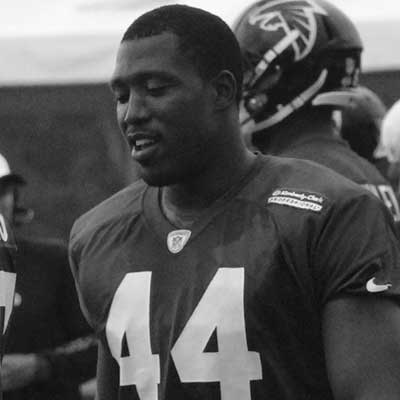
13. Jason Snelling400x400_12_Famous_Faces_of_Epilepsy_JasonSnelling

Former Atlanta Falcons running back Jason Snelling is another important supporter of the Epilepsy Foundation. He was diagnosed with epilepsy in college. With treatment, he was able to continue his football career and become a successful professional athlete.

Snelling has been outspoken about his condition — particularly the stigmas and difficulties surrounding diagnosis. In an interview, he said that “It took a long time for the doctors to diagnose me because not all seizures are due to epilepsy; it could have been a seizure disorder that was caused by something else. In my case, it did turn out to be epilepsy.” Furthermore, he offers advice on fear and stigma: “You know, there’s a big fear factor about having seizures in public, of maybe having one in front of other people. And I like to tell people not to worry so much about that. Epilepsy can be managed, and you can go on and do whatever you want to do. I was able to fight my fears and overcome a lot of things; having epilepsy has actually built my character.”

Today, Snelling works with the Epilepsy Foundation to bring awareness to the condition. He reaches out to others by speaking out about his own experiences. He also works with the Foundation’s African American initiative, Know the Difference. Snelling’s outreach is helping to bring awareness and funding to this important cause.

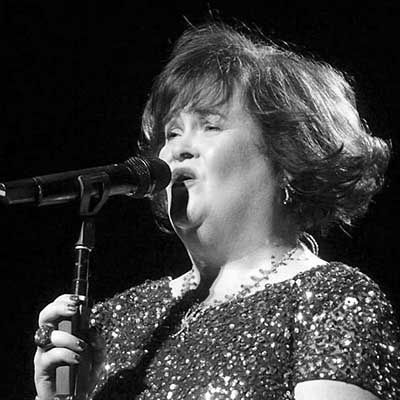
14. Susan Boyle400x400_12_Famous_Faces_of_Epilepsy_SusanBoyle

The woman who made waves on “Britain’s Got Talent” with her lovely voice has also opened up about having epilepsy. The unlikely star struggled with the condition throughout her childhood. In recalling those struggles, she has said: “At school I used to faint a lot. It’s something I’ve never talked about. I had epilepsy. People in the public eye don’t have things like that. All through my childhood they’d say epilepsy is to do with mental function. And now I realize it’s not. I was up against all those barriers. It wasn’t easy.”

Boyle has talked openly about her disability and how it held her back. Adults in her life told her that her seizures were due to a mental defect, and for years she believed them. By talking about her struggles, Boyle helps to shine a light on children who may experience complex emotions because of epilepsy.

15. Rick Harrison400x400_12_Famous_Faces_of_Epilepsy_RickHarrison

His fans know him as the knowledgeable owner of the Gold and Silver Pawn Shop and the star of “Pawn Stars.” What Rick Harrison’s fans might not know about him is that he lives with epilepsy. Harrison attributes his love of history to the fact that he was forced to spend much of his time as a child inside the house, alone. The Epilepsy Foundation has quoted Harrison as saying, “Because of my seizures, I was forced to spend a lot of time in bed in my room away from the television when I was a kid … The best way to entertain myself was to read, so I became very interested in history books.” He ended up developing a lifelong passion for the subject.

Now, Harrison is giving back by working with the Epilepsy Foundation and helping the organization bring awareness to his home state of Nevada.

16. Chanda Gunn400x400_12_Famous_Faces_of_Epilepsy_ChandaGunn

Athletes with epilepsy are particularly great at inspiring others to succeed in the face of a physical disability. Among some of the most inspiring is Chanda Gunn, the goalie for the 2006 women’s U.S. Olympic ice hockey team. Diagnosed at the age of nine, Chanda was already an avid athlete. When she was forced to give up swimming and surfing, she took up hockey and never looked back.

For Gunn, it’s important to let other people with epilepsy know that the condition won’t hold you back from your dreams. While ice hockey might be considered dangerous for people with epilepsy, Gunn demonstrates that anything is possible. On epilepsy.com she writes: “There’s no reason why a person with epilepsy can’t play sports or pursue their dreams.” Although she was afraid of the sport she’s now famous for playing, she further says, “I’ve learned to live with it, the fear of the unknown, because I want to really live life and for me that means playing ice hockey.”

Today, Gunn is one of the most successful women in U.S. hockey. She’s also a spokeswoman for the Epilepsy Therapy Project.

17. Alan Faneca400x400_12_Famous_Faces_of_EpilepsyAlanFaneca

Former guard for three NFL teams and a winner of one Super Bowl, Alan Faneca has long been vocal about living with epilepsy. He was diagnosed at the age of 15 and has coped with it ever since. He’s opened up about living in fear (especially as a teenager) with epilepsy, and his early attempts to hide it. He was quoted in The New York Times as saying, “I felt like a freak. You live scared that somebody is going to find out, and they’re going to think less of you. You’re living in the shadows.”

In spite of his condition, Faneca managed to have a 13-year career in professional football that included several Pro Bowl awards. He’s now a spokesperson for the Epilepsy Foundation, spreading awareness and teaching people first aid for seizures.

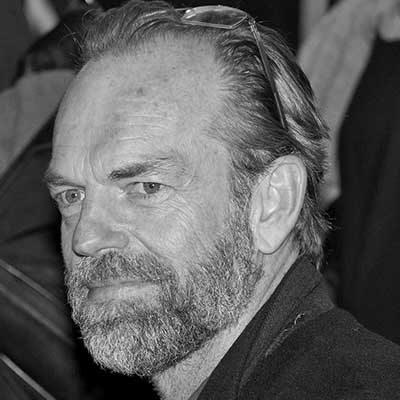
18. Hugo Weaving400x400_12_Famous_Faces_of_Epilepsy_HugoWeaving

Australian actor Hugo Weaving is best known to Americans for his roles in “The Matrix” and “The Lord of the Rings.” He started his battle with epilepsy as a teenager when he experienced major seizures at least once a year. Weaving says that his disorder never held him back, and that he didn’t let it stop him from doing the things he loved to do.

He’s also been open about his experiences with the condition — including medications. In 2015, he was quoted in The Guardian as saying, “People always thought I was laid back, but I was basically doped for 30 years on epilepsy drugs. I ran out of my meds filming in the desert and went cold turkey. I was on a moderately high dose and it was masking a nervous anxiety I didn’t know I had.”

Weaving always had a positive attitude about his illness and hoped that he would outgrow it. Because of the seizures, he was never able to get a driver’s license. Today, he can say that his hopes came true. He hasn’t experienced a seizure in over 18 years.

19. Elton John330px-Elton_John_2011_Shankbone_2

Elton John has struggled with epilepsy for years.  It is thought that the epilepsy was induced by the star’s years of drug use. Sir Elton Hercules John CBE is an English singer, songwriter, composer, pianist, record producer, and occasional actor. He has worked with lyricist Bernie Taupin as his songwriter partner since 1967; they have collaborated on more than 30 albums to date. In his five-decade career Elton John has sold more than 300 million records, making him one of the best-selling music artists in the world. He has more than fifty Top 40 hits, including seven consecutive No. 1 US albums, 58 Billboard Top 40 singles, 27 Top 10, four No. 2 and nine No. 1. For 31 consecutive years he had at least one song in the Billboard Hot 100.

20. Alexander the Greatalexander-the-great-fictional-characters-photo-u2

Alexander the Great had epilepsy although at the time is was diagnosed as the “sacred disease.”

Alexander III of Macedon, commonly known as Alexander the Great, was a King of the Ancient Greek kingdom of Macedon and a member of the Argead dynasty. Born in Pella in 356 BC, Alexander succeeded his father, Philip II, to the throne at the age of twenty. He spent most of his ruling years on an unprecedented military campaign through Asia and northeast Africa, until by the age of thirty he had created one of the largest empires of the ancient world, stretching from Greece to Egypt and into northwest India. He was undefeated in battle and is considered one of history’s most successful military commanders.

21. Adam Horovitzadam-horovitz-recording-artists-and-groups-photo-1

Horovitz was married to actress Ione Skye from 1992 to 1995. They separated in 1995 and divorced in 1999. Since 1997 he has been involved with riot grrrl artist Kathleen Hanna; they married in 2006. Horovitz is featured prominently in The Punk Singer, a 2013 documentary film about Hanna’s life and career; he even shot a scene himself to show Hanna’s distressed reaction to the medication she was taking against Lyme disease. His best friend since childhood is actress Nadia Dajani, whom he met at P.S. 41, a public elementary school in Manhattan.

Horovitz began to wear a medical alert bracelet following the tonic–clonic seizure he experienced in 2003.

22. William Alexander “Bud” Abbott Bud_Abbott_in_a_crop_from_a_promotional_photograph_for_Abbott_and_Costello_Meet_Frankenstein_in_1948

Famous comedian (half of the “Abbot and Costello” duo) who had epilepsy all his life, but tried to control and hide it. He was an American actor of burlesque, radio, stage, television and film, producer, and comedian. He is best remembered as the “straight man” of the comedy duo Abbott and Costello, along with Lou Costello. Abbott was active for over 30 years, appearing in both television and film roles.

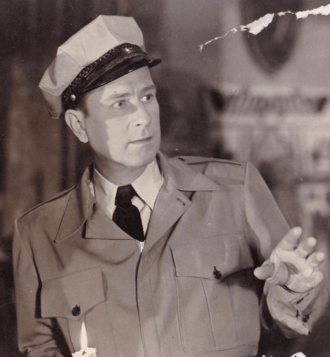
23. Ward Bond330px-Operation_Pacific-Ward_Bond

A film actor. His epilepsy led to his exclusion from the draft during World War II. He was an American film character actor whose rugged appearance and easygoing charm were featured in more than 200 films and the NBC television series Wagon Train from 1957 to 1960. Among his best-remembered roles are Bert, the cop, in Frank Capra’s It’s a Wonderful Life (1946) and Captain Clayton in John Ford’s The Searchers (1956).


Contributing Sources:

9 Famous People You Probably Didn’t Know Had Epilepsy | Health Updates 
By Margaret Lenker
Healthline Newsletter – 12 Famous Faces of Epilepsy
By Mary Ellen Ellis and Kristeen Cherney
WIKI

Disclaimer:

The content on this site, including blog posts, shared material, and external links, is for informational purposes only and is not a substitute for professional medical advice, diagnosis, or treatment. Always consult a qualified healthcare professional before making any changes to your health regimen, including medications, diet, exercise, or supplementation.

David Julian, Natural Vitality Advocate, is not a licensed medical professional. The views expressed in this blog and shared content are those of the respective authors and do not guarantee accuracy, completeness, or reliability.

David Julian is not affiliated with Natural Vitality or NaturalVitality.com. He does not promote, sell, or take a position for or against them.

David’s story with Epilepsy

David Julian’s Journey with Epilepsy, Health Challenges, and Faith

My journey with epilepsy began when I was 15 years old during a family trip driving through Blythe, CA. I had my first tonic-clonic seizure while in the car, and at that moment, my family realized that I had likely been living with epilepsy undiagnosed since infancy. The onset of these seizures marked the beginning of a long, complex path filled with physical pain, emotional struggles, and major life changes.


Early Struggles and Loss of Independence

At 16, I was thrilled to receive my driver’s license—a symbol of freedom and independence. However, that excitement was short-lived. After another seizure, my license was suspended for the first time. Outside of my family, I only confided in my best friend, who always had my back. He never broke my trust and ensured my safety whenever we were together.

By 18, epilepsy had already taken another piece of my independence. I was working fueling planes at John Wayne Airport when I suddenly had a seizure while driving a van. My muscles locked up, my foot jammed on the gas pedal, and I lost control. The van crashed into a private jet and veered toward the runway—directly into the path of a landing DC-9. By some miracle, I survived after crashing into a helicopter and a light pole. That accident ended my career at the airport and led to another driving suspension.

Depression and isolation crept in. I struggled to come to terms with my epilepsy, feeling as though I had lost control over my life. My mother became my biggest advocate, tirelessly researching treatments, specialists, and epilepsy foundations. We went everywhere—from Orange County to L.A., the Inland Empire to San Diego—seeking answers, yet epilepsy remained unpredictable and relentless.


Finding Stability, Fatherhood, and a Turning Point

In my twenties and thirties, I built a stable career, eventually becoming a supervisor in a transportation company. For nearly 11 years, my seizures were well-controlled with medication, and I thought I had finally gained control over epilepsy.

Then, when my daughter was three, we took a family trip to California. During the flight, she had a seizure—the most terrifying experience of my life. The pilot made an emergency landing in Ohio, and we spent a week at Children’s Hospital of Ohio. Over the next year, she had two more seizures but thankfully remained seizure-free as she grew older.

However, by 2006, my seizures resurfaced. A breakthrough seizure at work led to increased medication, followed by further adjustments as my seizures persisted. My mom flew from California to New Jersey to be with me during Thanksgiving—our first holiday together at Boston Market. Things stabilized temporarily, but the worst was yet to come.


The Seizure That Changed Everything (January 2007)

In January 2007, I was outside a church in New Jersey, picking up my daughter for an overnight stay. Snow blanketed the ground as I started my truck to warm it up. Then, without warning, I collapsed into a massive tonic-clonic seizure. As always, I fell hard—landing on my knees and face. The impact left me with three permanent scars, severe bruising, and sprains. I was rushed to the hospital, where I spent three and a half weeks undergoing extensive testing and medication adjustments.

That seizure didn’t just leave physical scars—it changed my life forever. I lost my job, and after much deliberation, my family and I decided that it was best for me to move back to California. Within two weeks, I packed up my life, said goodbye to my daughter, and relocated home. I have not driven since 2007.

The reality of this transition was crushing. I had always been independent and took pride in providing for myself, but now my career was gone, and with it, the structure and purpose that work had given me. The idea of losing my ability to support myself was overwhelming.

Amidst the uncertainty, I reached out to an old friend I had worked with years before. She had since become a manager at the company where we had once worked together, and upon learning about my situation, she graciously offered me a temporary position. It was meant to be a short-term opportunity to help me get back on my feet, and for that, I was incredibly grateful. Returning to work gave me a sense of purpose, a small glimpse of normalcy in a time of great upheaval. Despite my health struggles, I pushed myself to show up and give it my all.

However, as time went on, my seizures remained uncontrolled, and what was intended to be a brief return to the workforce stretched longer than expected. I found myself in and out of work, frequently placed on short-term and long-term disability. Each time I tried to return, another seizure or medical complication would pull me away. I clung to the hope that I could regain stability, but by 2012, it became clear that my condition made maintaining steady employment impossible. After multiple failed attempts to sustain work, I was ultimately declared permanently disabled. The weight of this reality was devastating. The transition from a working professional to someone who relied on disability benefits was humbling and difficult to accept.

Adding to the difficulty, my doctor advised that living alone was no longer a safe option due to the unpredictability of my seizures. Recognizing the challenges I faced, my parents graciously moved me into their home. While I was grateful for their support, the adjustment was emotionally challenging. My world felt smaller, and I had to come to terms with the loss of my independence. The once-simple things—running errands, going for a drive, even being alone—were now risks I had to carefully navigate.

During this time, I struggled deeply with feelings of frustration and helplessness. The shift from being a working professional to someone who relied on others for daily needs was humbling. Yet, my parents’ unwavering love and support helped me find stability in this new phase of life. Over time, I began to see that accepting help wasn’t a sign of weakness—it was an opportunity to focus on my health and healing.


Advocacy and The Epilepsy Connection

Determined to raise awareness, I founded The Epilepsy Connection, a 501(c)(3) nonprofit organization in 2007. Our mission was to:

  • Raise epilepsy and SUDEP awareness.
  • Provide support groups for those affected by seizures.
  • Educate communities on proper seizure care and management.
  • Offer financial assistance for protective helmets, seizure medications, and alternative treatments.
  • Assist with service dog grants and seizure detection devices.

We helped people nationwide, even providing service dog and medical assistance. One of the most rewarding moments was helping a young child receive a seizure detection device that changed their family’s life. However, due to emotional exhaustion, I made the difficult decision to close the nonprofit in 2015.


The 2017 Seizure That Led to Brain Injury

In December 2017, I was on a date at a restaurant when I suffered a severe tonic-clonic seizure, resulting in status epilepticus. I woke up two and a half days later in the ICU with a brain bleed, a concussion, and spinal injuries that required cervical fusion (C4-C7) and lumbar surgery. I was later diagnosed with Post-Concussion Syndrome (PCS) and PTSD, adding further challenges to my journey.


Losing My Service Dog, Allie (2022)

I had always been interested in service dogs, and I trained with Little Angels Service Dogs, my dog Allie, a yellow Labrador Retriever. She was my best friend and seizure response dog, alerting me before seizures and improving my quality of life. Sadly, Allie passed away in 2022. Losing her deepened my reliance on faith. Without her subtle warnings, I had to adjust to life without the security she provided.


Faith, Healing, and Medical Medium Teachings

In 2014, I accepted Jesus Christ as my Lord and Savior, a decision that transformed my approach to healing. Later, I began following the teachings of Medical Medium, incorporating detoxification, plant-based nutrition, and natural remedies. These protocols have significantly improved my health and have played a key role in my recovery.

One Bible verse that has guided me through these challenges is:

“The Lord is my strength and my shield; my heart trusts in Him, and He helps me.” (Psalm 28:7)


Living with Purpose and Resilience

Despite epilepsy, brain injury, and chronic pain, I refuse to let these conditions define me. Instead, I focus on faith, advocacy, and natural healing. My journey has been filled with loss, struggle, and pain, but also hope, perseverance, and strength. I share my story not for pity, but to offer hope to those who may be struggling.

If you or someone you love is battling epilepsy, chronic illness, or life’s unexpected challenges, know this: You are not alone. There is always hope, always light, and always a path forward.

May the Lord bless you and keep you; may His face shine upon you and give you peace. No matter where you are on your journey, may you find strength in faith, comfort in love, and the courage to keep moving forward. You are never alone, for God walks beside you every step of the way.

Disclaimer:

The content on this site, including blog posts, shared material, and external links, is for informational purposes only and is not a substitute for professional medical advice, diagnosis, or treatment. Always consult a qualified healthcare professional before making any changes to your health regimen, including medications, diet, exercise, or supplementation.

David Julian, Natural Vitality Advocate, is not a licensed medical professional. The views expressed in this blog and shared content are those of the respective authors and do not guarantee accuracy, completeness, or reliability.

David Julian is not affiliated with Natural Vitality or NaturalVitality.com. He does not promote, sell, or take a position for or against them.