2017 ILAE Seizure Classification Explained

Understanding the 2017 ILAE Seizure Classification System

In 2017, the International League Against Epilepsy (ILAE) released an updated seizure classification system, refining and expanding the framework originally introduced in 1981. The revised system was designed to improve clinical clarity, diagnostic accuracy, and communication among patients, caregivers, and medical professionals.

Key updates include:

  • Reclassification of certain seizure types, with some seizures previously considered generalized now recognized as focal in origin.
  • Incorporation of awareness as a defining feature, distinguishing seizures by whether awareness is retained or impaired.
  • Emphasis on initial clinical presentation, prioritizing the first observable symptom rather than later manifestations.
  • Expanded generalized seizure categories to reflect a broader range of clinical presentations.
  • Introduction of an unknown-onset category for seizures in which the point of origin cannot be determined.
  • Updated terminology to replace outdated language and improve understanding.

Under the 2017 ILAE framework, seizures are classified according to their point of origin in the brain:

  • Focal-onset seizures – originating in one area of the brain
  • Generalized-onset seizures – involving both hemispheres from onset
  • Unknown-onset seizures – origin cannot be clearly determined

What follows is an overview of common seizure types under this classification system.


Focal-Onset Seizures (Previously Called Partial Seizures)

Focal seizures begin in a specific area of the brain and may remain localized or spread to other regions. They are further categorized based on awareness:

  • Focal Aware Seizures – awareness remains intact.
  • Focal Impaired Awareness Seizures – awareness is altered or lost.

Types of Focal Seizures

  • Focal Motor Seizures – involve abnormal movements such as jerking, twitching, or posturing.
  • Focal Non-Motor Seizures – involve sensory, emotional, cognitive, or autonomic changes without prominent movement.

Common Presentations of Focal Seizures

  • Auras, including unusual smells, visual disturbances, déjà vu, or rising abdominal sensations
  • Autonomic symptoms, such as nausea, changes in heart rate, or sweating
  • Emotional manifestations, including sudden fear, anxiety, or euphoria
  • Frontal lobe seizures, which may involve complex movements, vocalizations, or behaviors during sleep
  • Occipital lobe seizures, often presenting with visual phenomena or temporary vision loss
  • Temporal lobe seizures, the most common focal epilepsy type, frequently associated with staring, automatisms, or emotional changes

Generalized-Onset Seizures

Generalized seizures involve both hemispheres of the brain at onset and typically result in impaired awareness or loss of consciousness.

Types of Generalized Seizures

  • Absence seizures – brief episodes of staring, usually lasting several seconds
  • Atypical absence seizures – similar to absence seizures but with more pronounced motor features
  • Myoclonic seizures – sudden, brief muscle jerks
  • Tonic seizures – sustained muscle stiffening, often leading to falls
  • Clonic seizures – rhythmic, repetitive muscle jerking
  • Tonic-clonic seizures – a tonic phase followed by clonic movements
  • Atonic seizures – sudden loss of muscle tone, commonly referred to as “drop attacks”

Examples of Generalized Epilepsy Syndromes

  • Juvenile Myoclonic Epilepsy, characterized by early-morning myoclonic jerks
  • Infantile spasms (West syndrome), typically occurring in infants under one year of age and associated with developmental concerns
  • Gelastic seizures, involving inappropriate laughter or crying, often linked to hypothalamic abnormalities

Unknown-Onset Seizures

When the initial point of seizure onset cannot be determined, the seizure is classified as unknown-onset until further diagnostic information becomes available.

  • Unknown-onset motor seizures, which may include tonic-clonic features
  • Unknown-onset non-motor seizures, involving sensory, autonomic, or cognitive changes

Examples include seizures occurring exclusively during sleep or subtle episodes with minimal outward symptoms that are easily misinterpreted.


Special Seizure Types and Triggers

Some seizures do not fit neatly into standard categories but remain clinically important.

Hormone-Related and Reflex Seizures

  • Catamenial epilepsy, in which seizure frequency increases in relation to menstrual cycles
  • Photosensitive epilepsy, triggered by flashing or flickering lights
  • Reflex epilepsies, provoked by specific stimuli such as reading, music, or tactile input

Seizures Secondary to Other Conditions

  • Post-traumatic epilepsy, resulting from head injury or brain trauma
  • Eclampsia-related seizures, occurring during pregnancy or the postpartum period
  • Withdrawal-related seizures, associated with abrupt cessation of alcohol or certain medications

Diagnosing Seizure Type

Accurate seizure classification requires careful evaluation, often involving multiple diagnostic tools:

  • Electroencephalography (EEG) to assess abnormal electrical brain activity
  • Magnetic resonance imaging (MRI) or computed tomography (CT) to identify structural abnormalities
  • Video EEG monitoring to correlate clinical events with electrical activity
  • Genetic testing when inherited epilepsy syndromes are suspected

Consultation with an epileptologist or evaluation at a Level 3 or Level 4 epilepsy center is often recommended for complex cases.


Additional Resources


Final Thoughts

A clear understanding of seizure classification supports accurate diagnosis, informed treatment decisions, and improved patient education. The 2017 ILAE update provides a more precise and accessible framework that reflects current scientific understanding.

Individuals experiencing seizures should seek evaluation by a qualified epilepsy specialist to ensure appropriate diagnosis and care.


Disclaimer

The content provided here is for informational purposes only and is not intended to substitute for professional medical advice, diagnosis, or treatment. Always consult a qualified healthcare professional regarding medical concerns or treatment decisions.

David Julian, Natural Vitality Advocate, is not a licensed medical professional. The views expressed are informational in nature and do not guarantee accuracy or completeness.

David Julian is not affiliated with Natural Vitality or NaturalVitality.com and does not promote or sell their products.

Understanding Epilepsy: Symptoms, Causes, and Risks

What IS Epilepsy?

Epilepsy is a neurological condition characterized by a tendency of the brain to release electrical discharges that disrupt normal brain activity. This abnormal electrical activity results in seizures, which are the main symptom of the condition. Seizures can range from short, unnoticed episodes to severe, convulsive movements, and they can last anywhere from a few seconds to several minutes.

Importantly, not every seizure indicates epilepsy. Epilepsy is defined by the presence of recurrent seizures that occur due to an underlying predisposition of the brain to produce abnormal electrical activity. A single seizure might be a one-off event triggered by specific factors (such as sleep deprivation or head trauma), but recurrent episodes are considered a hallmark of epilepsy.

The Prevalence and Global Impact of Epilepsy

Epilepsy is one of the most common neurological conditions worldwide. An estimated 65 million people globally live with epilepsy, making it a significant public health concern (World Health Organization). In the United States alone, approximately 3.4 million Americans have epilepsy, with 150,000 new diagnoses each year (Epilepsy Foundation).

Epilepsy’s prevalence varies by age and demographic factors, with the highest rates of onset seen in children and older adults. Data from the Centers for Disease Control and Prevention (CDC) indicate that 1 in 26 people in the U.S. will develop epilepsy at some point in their lifetime (CDC Epilepsy).

In Orange County, California, it is estimated that around 30,000 people are affected by epilepsy, and across California, approximately 380,000 individuals live with the condition. This highlights the widespread nature of epilepsy, even in localized regions. (California Department of Public Health).

Types of Seizures and Epilepsy Syndromes

Seizures can be classified into several types based on their characteristics and the areas of the brain involved. There are two primary categories of seizures:

  1. Focal Seizures (Partial Seizures): These seizures originate in one part of the brain and can result in motor, sensory, or emotional disturbances depending on the brain region affected. Focal seizures can be further classified into:
    • Focal aware seizures: The individual remains conscious but may experience unusual sensations or movements.
    • Focal impaired awareness seizures: The person loses consciousness or awareness during the seizure.
  2. Generalized Seizures: These seizures affect both sides of the brain and often lead to loss of consciousness. The most common types of generalized seizures are:
    • Tonic-clonic seizures (formerly known as grand mal): These are the most well-known type of seizure, characterized by stiffening (tonic) and rhythmic jerking (clonic) movements.
    • Absence seizures: Short episodes of impaired awareness without significant physical movements, most common in children.
    • Myoclonic seizures: Quick, jerking movements of the muscles.

Mortality and Risks: The Hidden Dangers of Epilepsy

Epilepsy is not only a cause of disability but also a significant contributor to mortality. In fact, up to 50,000 deathsoccur each year in the United States due to epilepsy-related causes, including Sudden Unexpected Death in Epilepsy (SUDEP). Individuals with epilepsy are at 24 times greater risk of dying suddenly compared to the general population (Epilepsy Foundation).

SUDEP is the leading cause of death in individuals with epilepsy, and while its exact cause is not fully understood, researchers have identified several risk factors, such as poorly controlled seizures, especially those that occur during sleep (Epilepsy Research UK).

Additionally, seizure-related accidents—such as drowning, car crashes, and falls—contribute to the higher mortality rate among people with epilepsy (CDC).

Causes of Epilepsy: From Genetic to Acquired Factors

Epilepsy can be caused by a variety of factors, and it can be classified based on the known or unknown origin of the condition:

1. Idiopathic Epilepsy (Unknown Cause)

In about 70% of epilepsy cases, the exact cause is unknown. This is referred to as idiopathic epilepsy. Many of these cases are believed to have a genetic component, though the specific genes involved are often not fully identified. Genetic mutations can cause changes in the brain’s neuronal signaling, making the brain more likely to experience abnormal electrical discharges.

2. Symptomatic Epilepsy (Known Cause)

In about 30% of people with epilepsy, the condition is caused by identifiable factors. Common causes of symptomatic epilepsy include:

  • Head trauma: Brain injuries from accidents or surgery can lead to the development of epilepsy (National Institute of Neurological Disorders and Stroke (NINDS)).
  • Brain tumors: Tumors can interfere with normal brain function and trigger seizures.
  • Stroke: A stroke deprives the brain of oxygen, which can lead to long-term brain damage and seizures (American Heart Association).
  • Infections: Meningitis, viral encephalitis, and other infections can cause inflammation in the brain, leading to epilepsy.
  • Genetic conditions: Certain genetic syndromes, such as Dravet Syndrome and Lennox-Gastaut Syndrome, are associated with epilepsy.
  • Metabolic disorders: Conditions like Celiac disease, neurocysticercosis, and hypoglycemia can also lead to seizures.

3. Environmental Factors

Certain environmental triggers can provoke seizures, particularly in those already diagnosed with epilepsy:

  • Sleep deprivation: One of the most common seizure triggers, as insufficient sleep can make the brain more excitable (National Sleep Foundation).
  • Flashing lights: Photosensitive epilepsy can be triggered by flashing lights or visual patterns at certain frequencies (Epilepsy Foundation).
  • Drug use: Exposure to drugs, including recreational substances or overdoses of medications, can induce seizures in vulnerable individuals (FDA Drug Safety).

Seizure Triggers and How to Manage Them

For individuals with epilepsy, managing triggers is a key part of seizure control. Common triggers include:

  • Stress: Emotional stress can increase seizure frequency in some individuals.
  • Hormonal changes: Some women experience more seizures around their menstrual cycle, a condition known as catamenial epilepsy (American Epilepsy Society).
  • Flashing lights: As mentioned earlier, flashing or flickering lights at certain frequencies can trigger seizures in individuals with photosensitive epilepsy.
  • Sleep deprivation: Consistently getting enough sleep is crucial in preventing seizures.

The Role of Seizure Diaries

One valuable tool for managing epilepsy is a seizure diary. By tracking seizure frequency, severity, and potential triggers, individuals with epilepsy can better understand their condition and help healthcare providers make informed treatment decisions. Online platforms like Seizure Tracker are useful for tracking seizure data and sharing it with medical professionals.

Conclusion

Epilepsy is a complex and often misunderstood condition that affects millions worldwide. Understanding its causes, symptoms, and the latest research on treatment options is essential in managing the disorder. While there is no cure for epilepsy, advances in medical treatments and therapies continue to improve the quality of life for many people living with the condition.

By raising awareness, improving education on the various seizure types, and advocating for better treatments, we can reduce the stigma surrounding epilepsy and support those who are affected.

Disclaimer:

The content on this site, including blog posts, shared material, and external links, is for informational purposes only and is not a substitute for professional medical advice, diagnosis, or treatment. Always consult a qualified healthcare professional before making any changes to your health regimen, including medications, diet, exercise, or supplementation.

David Julian, Natural Vitality Advocate, is not a licensed medical professional. The views expressed in this blog and shared content are those of the respective authors and do not guarantee accuracy, completeness, or reliability.

David Julian is not affiliated with Natural Vitality or NaturalVitality.com. He does not promote, sell, or take a position for or against them.

Medical ID Bracelets vs. Smartwatches: Which One is Best for You?

Why Wear a Medical Alert Device?

For individuals with chronic health conditions, allergies, epilepsy, diabetes, heart disease, or other medical concerns, having a quick and effective way to communicate vital health information in an emergency can be life-saving.

Traditionally, medical ID bracelets have served this purpose, offering immediate recognition and access to essential health details for first responders. However, with advances in technology, smartwatches like the Apple Watch now provide additional safety features, including fall detection, heart monitoring, and emergency SOS calling.

So, how do traditional medical ID bracelets compare to modern smartwatches when it comes to health emergencies? Let’s take a deep dive into both options, compare the pros and cons, and determine which is best for you.


Medical ID Bracelets: A Time-Tested Solution

medical ID bracelet is a simple yet effective accessory designed to provide critical health information to first responders, paramedics, and emergency personnel.

Advantages of Medical ID Bracelets

✅ Instant Recognition – Medical professionals are trained to look for medical ID bracelets first in an emergency.
✅ No Batteries or Charging Required – A permanent and reliable solution without the need for charging, maintenance, or software updates.
✅ Durability – Made from stainless steel, titanium, silicone, or other materials, medical bracelets are designed to be worn 24/7.
✅ Engraved Information – Displays essential details such as medical conditions, allergies, medications, and emergency contacts.
✅ Emergency Medical Information Access – Some medical ID services, like MedicAlert, provide 24/7 access to your full medical record via a unique identification code on the bracelet.

📌 Learn more about MedicAlert services: Visit MedicAlert.org

Disadvantages of Medical ID Bracelets

❌ Limited Space for Information – Only a few lines of text can be engraved, which may restrict the amount of medical information available.
❌ No Active Monitoring – Unlike smartwatches, medical ID bracelets do not provide alerts, fall detection, or real-time communication with emergency responders.
❌ No GPS Tracking – If you experience an emergency away from home, a medical ID bracelet won’t notify family or emergency services of your location.

📌 Looking for fashionable medical IDs? Check out Lauren’s Hope for stylish, customizable options.


Apple Watch & Smartwatches: The Modern Alternative

The Apple Watch and other smartwatches (Garmin, Samsung Galaxy Watch, Fitbit) have advanced health monitoring features that can act as a medical alert system, especially for people with heart conditions, epilepsy, or a fall risk.

Key Health & Safety Features on Smartwatches

✅ Fall Detection – If a hard fall is detected, the Apple Watch can automatically call emergency services and notify emergency contacts.
✅ Emergency SOS – Press and hold the side button to instantly call 911 and notify emergency contacts.
✅ Heart Rate Monitoring – Alerts you if your heart rate is too high or too low, which can be helpful for people with cardiac conditions.
✅ ECG & Blood Oxygen Monitoring – Some models (Apple Watch Series 6 and later) have FDA-cleared ECG features to detect atrial fibrillation (AFib).
✅ GPS Tracking – If an emergency occurs, family members and emergency responders can track your real-time location.

📌 More on Apple Watch health features: Apple Support – Health & Safety

Disadvantages of Smartwatches as Medical Alert Devices

❌ Battery Life – The Apple Watch and most smartwatches need to be charged every 1–2 days, which could be a problem in an extended emergency.
❌ Not Instantly Recognized – First responders are trained to look for medical ID bracelets, not smartwatches, so they may not immediately check your digital medical profile.
❌ Subscription Fees for Emergency Services – Some smartwatch brands require monthly fees for advanced fall detection and emergency call services.
❌ More Expensive Than Medical ID Bracelets – An Apple Watch costs $250-$800, whereas a medical ID bracelet costs as little as $20-$50.

📌 For a dedicated medical smartwatch, check out: Medical Guardian’s Smartwatch


Medical ID Bracelets vs. Smartwatches: Which Should You Choose?

FeatureMedical ID BraceletApple Watch / Smartwatch
Immediate Recognition by First Responders✅ Yes❌ No
Does Not Require Charging✅ Yes❌ No
Displays Critical Medical Info Instantly✅ Yes❌ Requires Navigation
Automatic Fall Detection & SOS Calling❌ No✅ Yes
GPS Tracking for Emergency Situations❌ No✅ Yes
ECG, Heart Rate, and Oxygen Monitoring❌ No✅ Yes (select models)
Water-Resistant & Durable✅ Yes✅ Yes (varies by model)
Works Without Subscription Fees✅ Yes❌ No (Some features require a plan)
Cost💲💲 (Affordable)💲💲💲💲 (Expensive)

📌 For a hybrid solution, you can wear BOTH! Many people wear a medical ID bracelet for instant recognitionAND an Apple Watch for active monitoring & alerts.


Final Thoughts: Which One is Right for You?

🔹 Choose a Medical ID Bracelet if…
✔️ You want a simple, low-cost, no-maintenance option.
✔️ You need immediate recognition by first responders.
✔️ You have multiple allergies or conditions that need to be clearly engraved.

🔹 Choose an Apple Watch or Smartwatch if…
✔️ You need fall detection, emergency calling, or GPS tracking.
✔️ You have a heart condition and want active health monitoring.
✔️ You’re comfortable with regular charging & tech-based solutions.

🔹 Best Option? Consider Wearing Both.
Many people wear BOTH a medical ID bracelet and an Apple Watch to get the best of both worlds:
✔️ Bracelet for first responders ✔️ Watch for emergency alerts

📌 Find the best medical alert device for your needs: Medical Alert Buyers Guide

📢 Which device do YOU prefer? Are you using a medical ID bracelet, a smartwatch, or both? Drop a comment below and share your experience!

Disclaimer:

The content on this site, including blog posts, shared material, and external links, is for informational purposes only and is not a substitute for professional medical advice, diagnosis, or treatment. Always consult a qualified healthcare professional before making any changes to your health regimen, including medications, diet, exercise, or supplementation.

David Julian, Natural Vitality Advocate, is not a licensed medical professional. The views expressed in this blog and shared content are those of the respective authors and do not guarantee accuracy, completeness, or reliability.

David Julian is not affiliated with Natural Vitality or NaturalVitality.com. He does not promote, sell, or take a position for or against them.

Understanding Sensory Overstimulation (‘Flooding’) After Brain Injury

What Is Sensory Overstimulation (“Flooding”)?

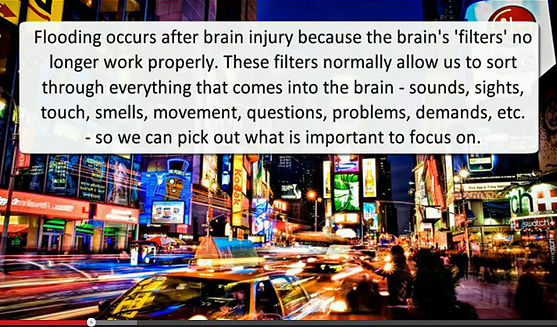
Sensory overstimulation, often referred to as “flooding,” is a condition frequently experienced after a traumatic brain injury (TBI). It occurs when the brain has difficulty filtering and processing incoming sensory information, resulting in overwhelm, fatigue, and cognitive overload.

A stimulus is any form of information perceived through the senses. These include:

  • External stimuli: sight, sound, smell, taste, and touch.
  • Internal stimuli: thoughts, emotions, pain, and body awareness (proprioception).

After a brain injury, the brain’s ability to prioritize and regulate these inputs may be impaired. As a result, everyday environments and routine activities can become mentally exhausting and overwhelming.

Common Symptoms of Sensory Overload in Brain Injury Survivors

  • Increased sensitivity to noise, light, or crowds, particularly in busy or unpredictable environments.
  • Feelings of overwhelm or anxiety during routine daily tasks.
  • Difficulty concentrating or following conversations when multiple sounds are present.
  • Impaired decision-making due to excessive incoming information.
  • Severe mental or physical fatigue from sustained sensory processing.
  • Irritability or frustration linked to overstimulation.

My Personal Experience With Sensory Overload

In December 2017, I experienced another tonic-clonic seizure that resulted in a mild traumatic brain injury (mTBI). While this was not my first head injury—I had sustained multiple concussions over the years—the impact this time was markedly different and far more disruptive to daily life.

Tasks that once felt basic—holding conversations, focusing on a television program, or running routine errands—became increasingly difficult. Sensory overload quickly became a daily and ongoing challenge.

This led to extensive personal research, online searches, participation in group discussions, and a focused effort to understand how sensory overload manifests after brain injury and how it can be managed effectively.

Through this process, I discovered Brain Injury Explanation, a well-developed educational resource for individuals with brain injuries, caregivers, and healthcare professionals.


Resources and Support for Sensory Overload and Brain Injury

1. Brain Injury Explanation – Comprehensive Educational Resource

Visit Brain Injury Explanation

This site provides extensive, well-organized information on brain injury symptoms, recovery considerations, and practical management strategies. Topics include:

  • Sensory overload (“flooding”) and coping approaches
  • Cognitive and emotional challenges after brain injury
  • Rehabilitation concepts and adaptive strategies
  • Guidance and support for caregivers and families

The platform also offers access to a private Facebook support group where survivors and caregivers can connect, share experiences, and learn from one another.


2. Sensory Overload and PTSD: Understanding the Connection


Understanding Sensory Processing Issues in PTSD

Mild traumatic brain injury is frequently associated with Post-Traumatic Stress Disorder (PTSD). Sensory overload is one of several overlapping symptoms between these conditions. Individuals may experience:

  • Hypervigilance, or heightened environmental sensitivity
  • Exaggerated startle responses to sudden sounds or movements
  • Difficulties with emotional regulation when overstimulated

Both PTSD and sensory overload may benefit from structured routines, calming techniques, and intentional environmental modifications.


3. Managing Sensory Overstimulation After Brain Injury

For individuals experiencing sensory overload, the following practical strategies may help reduce symptoms:

  • Reduce visual stimulation by dimming lights, minimizing screen brightness, and avoiding fluorescent lighting when possible.
  • Limit auditory input through the use of noise-canceling headphones in crowded or loud environments.
  • Schedule regular rest periods and avoid stacking high-demand activities back to back.
  • Use technology intentionally by limiting notifications and screen exposure.
  • Identify personal triggers by tracking environments or activities that worsen symptoms.
  • Incorporate calming techniques such as controlled breathing, meditation, or deep-pressure tools like weighted blankets.

4. Additional Brain Injury and Recovery Resources


Final Thoughts and Raising Awareness

Living with sensory overload related to brain injury presents ongoing challenges, but support and effective strategies do exist. Education, shared experience, and access to reliable resources can make a meaningful difference.

I am deeply grateful for platforms like Brain Injury Explanation and the broader online communities that offer clarity, validation, and support. Whether you are a survivor, caregiver, or healthcare professional, I encourage you to explore these resources and share them with others who may benefit.

If you or someone you know has experienced sensory overload following a brain injury, thoughtful discussion and shared insight can help move awareness forward.

Stay informed. Stay engaged. Continue advocating.


Disclaimer

The content provided here, including blog posts, shared materials, and external links, is for informational purposes only and is not intended to replace professional medical advice, diagnosis, or treatment. Always consult a qualified healthcare professional before making changes to medical care, medications, diet, exercise, or supplementation.

David Julian, Natural Vitality Advocate, is not a licensed medical professional. The views expressed are personal and informational and do not guarantee accuracy or completeness.

David Julian is not affiliated with Natural Vitality or NaturalVitality.com and does not promote or sell their products.

Future of Social Security: What You Should Know

Each month, over 62 million Americans receive Social Security benefits, providing a critical financial lifeline for retirees, disabled individuals, and surviving family members. Among these beneficiaries, approximately 45 million are retired workers. According to the Social Security Administration (SSA), 62% of retirees depend on Social Security for at least half of their monthly income.

This staggering reliance underscores how vital Social Security is to the financial well-being of older Americans. However, concerns about the future stability of this program continue to grow, leaving both current and future beneficiaries uncertain about their financial security.

🔹 How will Social Security affect your retirement plans?
🔹 Will the system still be able to provide full benefits in the future?
🔹 What steps can you take to protect your financial stability?


Why Americans Are Concerned About Social Security’s Future

Regardless of whether you’re a retired worker or one of the approximately 175 million employed Americanscontributing to Social Security, the future of this program is a shared concern. The Social Security Board of Trustees releases an annual report assessing the program’s financial health, and recent findings paint a troubling picture.

Key Findings From the Latest Social Security Trustees Report

📉 Projected Trust Fund Depletion: The Old-Age and Survivors Insurance (OASI) Trust Fund is expected to be depleted by 2034, a year earlier than previously estimated. This means that without legislative changes, Social Security may only be able to pay about 80% of scheduled benefits at that point.

📊 Growing Beneficiary Numbers vs. Declining Worker Contributions:

  • The worker-to-beneficiary ratio is shrinking due to lower birth rates and increased life expectancy.
  • Fewer workers paying into the system means fewer contributions to support retirees.

💰 Rising Costs & Inflation Impact:

  • Cost-of-living adjustments (COLA) increase benefits to keep up with inflation, but these adjustments put additional financial strain on the program.
  • In 2023, Social Security recipients saw an 8.7% COLA increase—one of the highest in decades—due to high inflation.

⚖️ Legislative Uncertainty:

  • Congress has yet to implement long-term solutions to ensure the sustainability of Social Security funding.
  • Potential policy changes could involve tax increases, benefit reductions, or raising the full retirement agebeyond 67.

📌 Read the full SSA Trustees Report: Social Security Administration Trustees Report


What This Means for Current & Future Beneficiaries

For current retirees, Social Security will continue paying benefits for the foreseeable future, but if the trust fund is depleted, payments may be reduced by about 20% unless corrective measures are taken.

For younger workers, the uncertainty surrounding Social Security’s long-term funding highlights the importance of building additional retirement savings beyond government benefits.


How to Protect Your Retirement Income

Given the uncertain future of Social Security, individuals must take proactive steps to secure their financial stability in retirement. Here’s what you can do:

1. Diversify Your Retirement Income

Social Security should not be your only source of retirement income. Consider investing in:

  • Employer-Sponsored 401(k) Plans: Many employers match contributions, helping you grow your retirement savings faster.
  • Traditional & Roth IRAs: These tax-advantaged accounts provide long-term financial security.
  • Dividend Stocks or Real Estate Investments: Passive income streams can supplement Social Security benefits.

📌 Learn more about IRA options: IRS – Individual Retirement Arrangements (IRAs)


2. Maximize Your Social Security Benefits

To get the most from Social Security, consider these strategies:

  • Delay Claiming Benefits: If possible, wait until age 70 to maximize your monthly payments. Each year you delay past full retirement age increases your benefit.
  • Work for at Least 35 Years: Your benefit amount is based on your highest 35 years of earnings. Working longer can replace lower-earning years with higher-earning ones.
  • Coordinate Spousal Benefits: If married, understand how spousal and survivor benefits impact your income.

📌 Use the SSA Benefit Calculator: Social Security Retirement Estimator


3. Stay Informed on Legislative Changes

Social Security reform is a highly debated topic in Congress, with proposals including:

  • Raising the Payroll Tax Cap to increase revenue.
  • Gradually increasing the full retirement age beyond 67.
  • Adjusting benefit calculations to slow cost increases.

📌 Track the latest Social Security news: Social Security Administration Newsroom


Additional Related Content

🔹 The Role of Medicare & Healthcare Costs in Retirement

Social Security alone isn’t enough—healthcare costs are one of the biggest financial burdens in retirement.

  • Medicare covers only 80% of medical expenses, meaning retirees need supplemental coverage.
  • The average retiree spends $315,000 on healthcare after retirement.

📌 Learn about Medicare Plans: Medicare.gov


🔹 Alternative Retirement Investment Strategies

Relying solely on Social Security can be risky, so it’s wise to build multiple income streams:

  • Invest in Gold & Precious Metals: Protect against inflation.
  • Consider Annuities: Guaranteed income for life.
  • High-Yield Savings & CDs: Safer, low-risk investments.

📌 Compare investment strategies: Investopedia Retirement Planning


🔹 The Importance of Budgeting for Retirement

Many retirees overspend in the early years of retirement, which can lead to financial stress later.

  • Track expenses with budgeting tools like YNAB (You Need a Budget) or Mint.
  • Use the 4% withdrawal rule for steady income from savings.

📌 Free Retirement Budgeting Tools: Consumer Financial Protection Bureau


Social Security’s Future Requires Proactive Planning

While Social Security remains a crucial safety net, its long-term sustainability is uncertain without reforms. Whether you’re already retired or still in the workforce, planning for multiple income sources and staying informed on policy changes will help safeguard your financial future.

💡 Are you worried about the future of Social Security?
📢 Share your thoughts in the comments!

📌 For more Social Security updates, visit: Social Security Administration – Official Site

Disclaimer:

The content on this site, including blog posts, shared material, and external links, is for informational purposes only and is not a substitute for professional medical advice, diagnosis, or treatment. Always consult a qualified healthcare professional before making any changes to your health regimen, including medications, diet, exercise, or supplementation.

David Julian, Natural Vitality Advocate, is not a licensed medical professional. The views expressed in this blog and shared content are those of the respective authors and do not guarantee accuracy, completeness, or reliability.

David Julian is not affiliated with Natural Vitality or NaturalVitality.com. He does not promote, sell, or take a position for or against them.