Mission

What is your mission?

Cited from: https://naturalvitalityadvocate.com/home/

To educate on healing foods and detoxification.

To help you regain control of your health.

To inspire faith, clarity, and disciplined action.


Core Principles

God’s Design

The body is engineered to heal when toxins and heavy metals are removed and nourishment is restored through fruits, herbs, hydration, and clean living.

Healing Foods

Foundational tools such as celery juice, the Heavy Metal Detox Smoothie, and a modified Mediterranean approach—free from gluten, dairy, GMOs, and ultra-processed foods.

Truth-Seeking

A willingness to question conventional narratives and address root causes of neurological dysfunction beyond pharmaceutical symptom control.

Empowerment Through Practice

Real-world, trial-tested tools that replace confusion and misdiagnosis with clarity and personal responsibility.

Faith & Mind-Body Alignment

Prayer, grounding, and focused neurological support working in alignment with God’s order.

Experience-Based Guidance

From seizures and brain injury to daily stability and vitality—this platform is built on lived reality, not theory.

Everything You Need to Know About Vitamin B12

Vitamin B12, or cobalamin, is an essential water-soluble vitamin vital for nerve health, red blood cell formation, DNA synthesis, and brain function—the body cannot produce it and relies on diet or supplements. It acts as a cofactor for key enzymes like methionine synthase, supporting myelination and energy metabolism, with higher deficiency risks for vegans and older adults.

Rate this:

Understanding Protein and Essential Amino Acids for Healing

By David Julian – The Natural Vitality Advocate


Why Amino Acids Matter on a Healing Journey

“Where do you get your protein?”
On the Medical Medium path, this question comes up a lot. But the truth is: it’s not protein we need—it’s the essential amino acids that build, repair, and heal.

In this post, I’ll share how I meet my amino acid needs without meat, dairy, or protein powders, and how I support deep healing of my brain, muscles, and nervous system.


What Are Essential Amino Acids (EAAs)?

Essential amino acids are the 8 amino acids (histidine, isoleucine, leucine, lysine, methionine, phenylalanine, threonine, valine) your body can’t make on its own. You must get them from food or supplementation to:

  • Build and repair tissue
  • Support neurotransmitters (serotonin, dopamine, GABA)
  • Detoxify the liver
  • Fuel your immune system
  • Protect your nervous system

The Protein Myth (What Medical Medium Teaches)

“It’s not about how much protein you eat—it’s about how well your body can use the amino acids you give it.” – Anthony William

Medical Medium teaches that:

  • Too much protein—especially from animal products—feeds viruses and overburdens the liver
  • Protein powders are harsh on the kidneys and unnecessary
  • Clean amino acids from fruits and greens are safe, effective, and healing

Where I Get My Amino Acids on the Medical Medium Path

1. Fruits

Fruit has been unfairly criticized in modern health trends, often blamed for everything from weight gain to blood sugar spikes. But the Medical Medium information sets the record straight—fruit is not the enemy. In fact, it’s one of the most life-giving, amino-acid-rich foods available to us.

Fruits are powerful because they offer:

• Bioavailable amino acids in a clean, non-inflammatory form

Healing glucose that fuels the liver, brain, and every cell in the body

Antioxidants and phytochemicals that neutralize toxins and oxidative stress

Hydration through structured water naturally present in fruit flesh

Natural antiviral properties that help reduce viral load and support the immune system

Some of my daily staples include:

Bananas – rich in tryptophan to support serotonin and mood stability

Wild blueberries – top-tier brain and nerve healers

Mangoes, oranges, papayas – rich in vitamins, enzymes, and gentle detox power

Apples, pears, figs and dates – grounding, soothing, and mineral-rich

I’ve made fruit a foundational part of my healing, and it’s helped me stabilize energy, lift brain fog, calm my nervous system, and support detox—without needing protein powders or processed snacks. Fruit is God-given, healing, and deeply intelligent in how it nourishes the human body.

2. Potatoes, Sweet Potatoes & Squash

Potatoes, sweet potatoes, and winter squash are often misunderstood, especially by those following low-carb or high-protein trends—but on the Medical Medium path, they’re absolute staples. These humble foods are clean, grounding carbohydrates that also happen to be excellent sources of amino acids in a highly digestible, healing form.

These healing root vegetables are:

Rich in essential amino acids that support muscle repair, nerve function, and neurotransmitter production

Packed with glucose, the preferred fuel source for the liver, brain, and immune system

Supportive of adrenal health, helping stabilize energy and blood sugar

Alkalizing and anti-inflammatory, aiding digestion and calming the gut

Free from dietary triggers like fat, excess protein, and food chemicals that can burden the liver

I include them in my lunch or dinner almost daily—not just because they’re satisfying, but because they help rebuild tissue, support detoxification, and calm the central nervous system. They’re simple, healing foods that carry deep nutritional intelligence and align perfectly with how the body truly heals.

3. Leafy Greens & Herbs

I regularly include spinach, romaine, butter and leaf lettuces, cilantro, and parsley in my healing meals—either fresh in salads, juiced, blended in smoothies, or lightly steamed. These greens are far more than just roughage; they’re nutrient-dense powerhouses that provide some of the most healing forms of plant-based amino acids available.

These leafy greens and herbs are rich in:

Bioavailable amino acids that help rebuild tissue and strengthen the nervous system

Trace minerals like magnesium, calcium, and potassium that support adrenal and brain health

Chlorophyll, which oxygenates the blood and helps cleanse the liver

Electrolytes that stabilize cellular communication and hydration

Natural antiviral and antibacterial compounds that help reduce viral load and inflammation

These aren’t just salad fillers—they are essential tools for regeneration, especially when healing from chronic illness, neurological stress, or immune dysfunction. I make it a point to include these greens in my daily routine to fuel detox, rebuild my nervous system, and support brain clarity.

4. Spirulina & Barley Grass Juice Powder (BGJP)

Included in my Heavy Metal Detox Smoothie, these superfoods:

  • Rebuild tissues
  • Support brain detox
  • Bind and remove metals
  • Fuel immune cells

5. Sprouts & Microgreens

I use a daily mix of organic alfalfa, radish, broccoli, and clover microgreens. This blend is rich in chlorophyll, trace minerals, and amino acids that are easily absorbed by the body and highly effective for cellular healing.

These microgreens are loaded with:

Bioavailable amino acids to support muscle and nerve repair

Enzymes that enhance digestion and detox

Minerals that nourish the adrenals and brain

Anti-inflammatory and antiviral properties that assist the immune system

I add a handful of this vibrant, living food to lunch or dinner each day as part of my commitment to rebuilding from the inside out. These tiny greens carry a tremendous amount of life force and healing energy—without burdening the liver or feeding pathogens.


Why I Personally Choose to Supplement with Essential Amino Acids

Even on a healing diet rich in fruits, greens, potatoes, and superfoods, I’ve found that sometimes the body needs extra support. This is especially true during periods of intense healing or physical rebuilding, such as:

• Brain and nerve recovery

• Post-seizure repair

• Detox from heavy metals or viral waste

• Muscle rebuilding and fitness recovery

• Chronic illness or long-standing deficiencies

For me, adding essential amino acid supplementation has been a way to fill in the gaps and help my body restore what’s been depleted over years of illness, neurological trauma, and detox work.

I want to be clear:

This is a personal decision that I’ve made based on my specific healing needs. It’s not something I believe everyone must do.

Some people may get all the amino acids they need from their diet alone—especially if their liver and digestion are strong, and they’re not dealing with the same level of neurological or muscular recovery that I am. Others may choose to use supplementation only temporarily, or not at all.

That’s the beauty of the Medical Medium path—it allows for flexibility and intuition.

We’re all walking different journeys, and I deeply respect everyone’s right to choose what feels right for their body.

For me, supplementing with clean, high-quality essential amino acids has provided:

Greater physical resilience

Faster recovery from exertion or flares

Increased strength and stamina during detox

Mental clarity and better emotional balance

Support for neurotransmitters and nervous system repair

It’s not about pushing protein. It’s about giving my body the raw materials it needs—in a form it can absorb and use efficiently—so I can keep healing and living with strength, clarity, and peace. Supplemental EAAs help me fill in those gaps without stressing the liver. They’re fast-absorbing and highly effective for deep repair.


What Happens If You Don’t Get Enough Amino Acids?

While the modern world is hyper-focused on protein intake, it rarely discusses what really matters—essential amino acids (EAAs) in a form the body can actually use. Without them, the body begins to break down, struggle, and stall in its healing. This isn’t about protein deficiency in the conventional sense—it’s about a deficiency in the building blocks of life.

Even if someone is eating “clean,” they may still lack the essential amino acids needed for core functions like tissue regeneration, neurotransmitter creation, detox, and immune response. And on a healing journey, when the body is doing deep internal repair, those needs increase even more.

Here’s what can happen when the body doesn’t receive enough EAAs:

Muscle Breakdown

Without sufficient amino acids, the body will start to catabolize its own muscle tissue to access what it needs. This leads to:

• Weakness and loss of strength

• Soreness even after light activity

• Physical instability or poor posture

Especially when healing from chronic illness, injury, or prolonged detox, preserving muscle is critical—not just for mobility, but for supporting metabolism and nervous system balance.

Neurotransmitter Imbalance

EAAs are the raw materials for brain chemicals like serotonin, dopamine, GABA, and melatonin. If the body doesn’t have enough:

• Brain fog becomes persistent

• Anxiety and depression can deepen

• Sleep becomes shallow or disrupted

As someone healing from neurological trauma, epilepsy, and PTSD, I know firsthand how crucial it is to keep neurotransmitters supported. Without adequate EAAs, emotional stability and mental clarity begin to slip.

Detox Stagnation

Your liver needs amino acids to build detox enzymes and carry out chemical conversions in both Phase I and Phase II detox pathways. Without them:

• The liver becomes overburdened

• Toxins recirculate instead of being eliminated

• Symptoms like skin breakouts, fatigue, and headaches flare up

In a Medical Medium lifestyle, we ask a lot of the liver—celery juice, HMDS, herbs, and more. But without amino acids, the liver lacks the fuel it needs to actually perform the detox.

Immune Weakness

Amino acids help create antibodies, immune cells, and repair damaged tissue from viral warfare. When deficient:

• Viral reactivations become more common

• Infections linger or recur

• Inflammation rises in the background

For anyone dealing with chronic EBV, shingles, or other hidden pathogens, EAAs are not optional—they’re required armor in the fight.

Poor Repair and Recovery

From skin to joints to hair, amino acids are needed for:

• Collagen production

• Connective tissue regeneration

• Hormonal balance and stress recovery

Without enough:

• Hair may thin or fall out

• Nails become brittle

• Wounds heal slowly or poorly

• Tissue pain or sensitivity can persist

Whether recovering from surgery, a seizure, or the wear and tear of daily detox, your body can only rebuild if it has the foundational materials—EAAs.

Bottom Line: You Can’t Heal Without the Building Blocks

We don’t have to overconsume protein to get these essential aminos—but we do need to get them from the right sources: fruit, greens, healing plants, and—when appropriate—clean supplemental support.

The difference between surviving and thriving often comes down to one question:

“Is my body being given what it actually needs to rebuild?”

When the answer is yes, healing deepens.

When it’s not, progress can plateau—no matter how perfect the rest of the protocol looks.


How Much Do You Need to Thrive?

Instead of counting grams, Medical Medium encourages focusing on absorption and clean sources.

Here’s my daily amino acid foundation:

  • Fruits – Smoothies, snacks, and meals
  • Potatoes/Sweet Potatoes – Lunch or dinner
  • Leafy Greens & Herbs – Juices, salads, cooked dishes
  • Spirulina + BGJP – Daily in my Heavy Metal Detox Smoothie
  • Microgreens & Sprouts – Added to meals
  • Essential Amino Acid Support – Used therapeutically as part of my healing plan

Clean Aminos Are the Key

I’ve learned firsthand that I don’t need animal protein to heal. What I need are the right building blocks—clean, plant-based amino acids that repair, protect, and fuel my recovery.

Thanks to Medical Medium’s teachings, I’ve experienced:

  • Stronger energy
  • Better sleep
  • Faster muscle recovery
  • Reduced seizure activity
  • Clearer mood and focus

You can thrive on this path—without compromise.


Disclaimer:

The content on this site, including blog posts, shared material, and external links, is for informational purposes only and is not a substitute for professional medical advice, diagnosis, or treatment. Always consult a qualified healthcare professional before making any changes to your health regimen, including medications, diet, exercise, or supplementation.

David Julian, Natural Vitality Advocate, is not a licensed medical professional. The views expressed in this blog and shared content are those of the respective authors and do not guarantee accuracy, completeness, or reliability.

David Julian is not affiliated with Natural Vitality or NaturalVitality.com. He does not promote, sell, or take a position for or against them.

My Journey: From Disability to Healing

Boost Your Senses with Detoxification

The Link Between Detox and Sensory Clarity

Have you ever noticed that after a period of clean eating, your senses seem sharper? Colors appear more vivid, sounds are clearer, and even your sense of smell and taste seem heightened. This is no coincidence. Detoxification plays a crucial role in enhancing sensory perception, improving everything from vision and hearing to taste, touch, and mental clarity.

Our modern world exposes us to toxins from processed foods, heavy metals, pesticides, air pollution, and even everyday household products. These toxins accumulate in our bodies, dulling our senses, contributing to brain fog, and even disrupting neurological function.

By removing these toxic burdens through targeted detoxification, we restore the natural vibrancy of our sensory experiences. In this article, we’ll explore how detoxing enhances sensory perception, the science behind it, and practical steps to implement an effective detoxification plan.


The Science of Sensory Enhancement Through Detoxification

Each of our senses—sight, sound, smell, taste, and touch—relies on a complex network of nerves, neurotransmitters, and cellular processes to function optimally. When toxins interfere with these systems, sensory dullness and neurological dysfunction occur.

1. Heavy Metal Detox and Brain Function

🔹 How It Affects Sensory Perception:
Heavy metals such as mercury, lead, aluminum, and cadmium can accumulate in the brain, affecting nerve signaling and neurotransmitter balance. Research has linked heavy metal toxicity to brain fog, poor memory, dulled senses, and neurodegenerative diseases like Alzheimer’s and Parkinson’s.

🔹 How Detoxification Helps:

  • The Heavy Metal Detox Smoothie, which includes wild blueberries, cilantro, spirulina, Atlantic dulse, barley grass juice powder, and oranges, helps pull out metals that interfere with sensory processing.
  • Studies show that cilantro and chlorella (Medical Medium says to ❌ Avoid Chlorella, as it may cause more harm than good by redistributing toxins rather than eliminating them.) effectively remove heavy metals from the brain.
  • Alpha-lipoic acid (ALA) has been found to support nerve regeneration and improve cognitive function.

2. Gut Health, Toxins, and Sensory Processing

🔹 How It Affects Sensory Perception:
The gut-brain axis plays a vital role in neurological function and sensory processing. When the digestive system is overloaded with toxins from processed foods, artificial additives, and antibiotics, inflammation spreads to the brain, leading to brain fog, sensory dullness, and even mood imbalances.

🔹 How Detoxification Helps:

  • Removing inflammatory foods (gluten, dairy, soy, corn, eggs) and replacing them with fruits, vegetables, and herbs improves gut microbiome balance, directly impacting brain function.
  • Liver detoxification using lemon water, celery juice, and dandelion root tea helps filter toxins from the bloodstream, reducing inflammation that affects the brain and senses.
  • A study in Frontiers in Neuroscience (2017) found that gut microbiota imbalances can alter auditory and visual processing.

3. The Role of Liver Detox in Sensory Clarity

🔹 How It Affects Sensory Perception:
The liver is the body’s main detoxification organ. When it’s overloaded with toxins, toxic byproducts circulate through the bloodstream, affecting brain function and dulling the senses. Symptoms include blurry vision, sluggish brain activity, and a reduced sense of taste and smell.

🔹 How Detoxification Helps:

  • Celery juice is a powerhouse for liver detox. It restores electrolytes, flushes out toxins, and improves bile production, which enhances digestion and absorption of nutrients essential for sensory function.
  • Turmeric and curcumin reduce inflammation and support liver function (Soto-Rojas et al., 2021).

4. Detoxifying for Sharper Vision and Eye Health

🔹 How It Affects Sensory Perception:
Vision is heavily impacted by toxin accumulation, poor circulation, and oxidative stress.

🔹 How Detoxification Helps:

  • Foods rich in lutein and zeaxanthin, such as wild blueberries, spinach, and sweet potatoes, protect the retina from oxidative damage.
  • Bilberry and saffron supplements have been shown to improve night vision and color perception.

5. The Impact of Environmental Detox on Sound Sensitivity

🔹 How It Affects Sensory Perception:
Excess exposure to electromagnetic fields (EMFs), noise pollution, and air toxins has been linked to increased stress responses in the auditory system.

🔹 How Detoxification Helps:

  • Grounding (earthing), such as walking barefoot on natural surfaces, has been shown to reduce EMF-related stress on the nervous system (Chevalier et al., 2012).

How to Start a Detox for Sensory Enhancement

✅ Drink 16–32 oz of celery juice daily to flush out toxins.
✅ Consume the Heavy Metal Detox Smoothie to remove neurotoxins.
✅ Use herbs like milk thistle, dandelion root, spirulina, and cilantro for deep cleansing.
✅ Reduce EMF exposure by turning off Wi-Fi at night.


Restore Your Senses by Detoxing Your Body

By eliminating toxins, supporting the liver, and reducing environmental stressors, you can enhance your sensory perception, sharpen your mental clarity, and improve overall well-being.

Disclaimer:

The content on this site, including blog posts, shared material, and external links, is for informational purposes only and is not a substitute for professional medical advice, diagnosis, or treatment. Always consult a qualified healthcare professional before making any changes to your health regimen, including medications, diet, exercise, or supplementation.

David Julian, Natural Vitality Advocate, is not a licensed medical professional. The views expressed in this blog and shared content are those of the respective authors and do not guarantee accuracy, completeness, or reliability.

David Julian is not affiliated with Natural Vitality or NaturalVitality.com. He does not promote, sell, or take a position for or against them.

Healing Through Nutrition and Faith

A Path to Healing, Strength & Vitality

This is where healing meets wisdom, blending science, natural nutrition, detoxification, and faith-based insights to help you reclaim your health.

Why Health is More Than Just the Absence of Disease

Health is not simply about “not being sick.” It’s about thriving—physically, mentally, and spiritually. Many people accept fatigue, pain, brain fog, and chronic symptoms as normal, but I’m here to tell you: they don’t have to be.

For years, I struggled with chronic illness, including epilepsy, post-concussion syndrome, nerve damage, and debilitating fatigue. Traditional medicine offered me little hope beyond medication and symptom management. But as I dug deeper, I found the undeniable power of nutrition, detoxification, and faith-based healing.

Through my journey, I have studied, tested, and experienced firsthand what truly supports healing—not just masking symptoms, but actually restoring health at its foundation.


The Power of Food: More Than Just Fuel

Most people think of food as just calories and energy, but real food is medicine. Every bite we take either builds us up or breaks us down.

🟢 Nourishing the Cells – Foods like wild blueberries, leafy greens, avocados, and celery juice actively repair cells, reduce inflammation, and detoxify the body.
🟢 Healing vs. Harming – Processed foods, additives, and chemicals burden the liver, brain, and nervous system, keeping the body in a state of distress.
🟢 The Truth About Protein & Fats – While mainstream nutrition often pushes animal protein and unhealthy fats, our bodies thrive on fruits, vegetables, and plant-based, bioavailable nutrients that restore and energize us.

I follow Medical Medium nutritional principles, which emphasize the power of healing foods and targeted detox strategies to remove toxins, pathogens, and heavy metalsthe root cause of many chronic conditions.

🚀 The result? Increased energy, reduced pain, sharper mental clarity, and a body that finally has the resources to heal itself as God intended.


Detoxification: Clearing the Path for Healing

The modern world bombards us with toxins, heavy metals, and hidden pathogens. From the air we breathe to the water we drink, we’re constantly exposed to substances that burden the liver, brain, and immune system.

But God designed our bodies to detoxify—if we give them the right support.

How Detoxification Heals

🔹 Liver Cleansing – Removing heavy metals, excess fat, and toxins restores energy and clarity.
🔹 Brain Detox – Clearing out neurotoxins (often linked to anxiety, brain fog, and neurological issues).
🔹 Gut Healing – Eliminating pathogens that contribute to bloating, fatigue, and autoimmune issues.

Some of the most powerful detox strategies I use and recommend include:
✅ Celery Juice Protocol – Flushes toxins, supports the liver, and hydrates cells.
✅ Heavy Metal Detox Smoothie – Pulls out mercury, lead, and aluminum (key in neurological healing).
✅ Healing Teas – Lemon balm, dandelion, and passionflower help calm the nervous system and clear out stored toxins.

By integrating targeted detoxification with the right nutrition, healing becomes not just possible—it becomes inevitable.


The Mind-Body Connection: Healing from the Inside Out

Health isn’t just physical. Our minds and emotions deeply influence our bodies. Chronic stress, trauma, and emotional burdens create physiological imbalances, leading to:

⚠️ Increased inflammation and immune dysfunction
⚠️ Worsened neurological symptoms (anxiety, depression, brain fog)
⚠️ Hormonal imbalances and adrenal fatigue

This is why a true healing journey requires addressing the mind and spirit, not just the body.

What I’ve Learned About Mind-Body Healing

💡 The Power of Prayer & Faith – I have seen firsthand how trusting in God reduces stress, brings peace, and restores the body from within.
💡 Grounding & Mindfulness – Simple practices like breathing exercises and time in nature help reset the nervous system.
💡 Forgiveness & Emotional Detox – Carrying resentment, guilt, or unprocessed trauma keeps the body in a constant state of tension and toxicity.

🛑 Ignoring these factors slows healing. Addressing them accelerates it.


Faith & Health: Aligning with God’s Design

As a Christian, I believe God designed our bodies to heal when given the right tools. The Bible speaks extensively about food, healing, and spiritual well-being, and modern research only confirms what scripture has already taught us.

Biblical Principles of Health

✝️ God’s Original Diet – Genesis 1:29 highlights plant-based nutrition as our intended fuel.
✝️ Healing Through Creation – Herbs, fruits, and natural remedies have been used for centuries to restore health.
✝️ Fasting & Detox – Biblical fasting was not just spiritual—it was also a way to allow the body to cleanse itself.

Health is not just about what we eat—it’s about walking in alignment with God’s wisdom for our bodies.


Why Trust Me?

I don’t just talk about health—I live this journey every day.

💪 Years of Personal Experience – I have fought through epilepsy, chronic pain, post-concussion syndrome, and neurological dysfunction—and found real solutions.
📚 Extensive Study & Research – I am committed to learning, testing, and sharing evidence-backed natural healing strategies.
🙌 Faith-Based Perspective – Everything I teach aligns with God’s natural design for health and healing.
👥 Building a Community – I share my journey and hard-earned wisdom so others can learn, grow, and take control of their health—free from confusion and misinformation. If my experience helps someone along the way, even better.


Start Your Healing Journey Today

Whether you’re struggling with chronic illness, fatigue, brain fog, or simply want to optimize your healthyou are not alone—and healing is possible.

📖 Explore the site for insights on nutrition, detox, and faith-based healing.
📢 Follow along for practical tips on healing foods, supplements, and mind-body health.
🙌 Trust in God’s design—your body was created to heal.

Disclaimer:

The content on this site, including blog posts, shared material, and external links, is for informational purposes only and is not a substitute for professional medical advice, diagnosis, or treatment. Always consult a qualified healthcare professional before making any changes to your health regimen, including medications, diet, exercise, or supplementation.

David Julian, Natural Vitality Advocate, is not a licensed medical professional. The views expressed in this blog and shared content are those of the respective authors and do not guarantee accuracy, completeness, or reliability.

David Julian is not affiliated with Natural Vitality or NaturalVitality.com. He does not promote, sell, or take a position for or against them.

Essential Oils for Brain Function: Boosting Memory, Focus, and Cognitive Health

Essential oils have been used for centuries in holistic healing practices, and recent research suggests they may also play a significant role in enhancing brain function. From improving memory and focus to reducing stress and promoting mental clarity, essential oils offer a natural way to support cognitive health.

In this post, we’ll explore the top essential oils for brain function, how they work, and the best ways to incorporate them into your daily routine.


How Essential Oils Affect the Brain

The brain is highly responsive to aromatic compounds found in essential oils. When inhaled, these compounds interact with the olfactory system, which directly communicates with the limbic system—the area of the brain responsible for emotions, memory, and cognition.

Scientific studies have found that specific essential oils can:

✅ Enhance memory and cognitive function
✅ Reduce stress and anxiety
✅ Improve alertness and concentration
✅ Support neuroprotection and brain health

Let’s explore which essential oils have the strongest impact on brain function.


1. Lavender Oil: Enhancing Memory and Relaxation

🌿 Why it works: Lavender essential oil is widely known for its calming and stress-relieving effects. A University of California, Irvine study found that exposure to lavender and other essential oils improved memory recall by 226% in older adults.

🔗 Read the study here

How to Use:

✔ Diffuse lavender oil in your bedroom before sleep for relaxation and memory enhancement.
✔ Dilute and apply to pulse points for a calming effect during stressful situations.


2. Rosemary Oil: The Brain-Boosting Essential Oil

🌿 Why it works: Rosemary oil has long been associated with enhancing memory and alertness. A study published in the Journal of Medicinal Food found that inhaling rosemary aroma significantly improved cognitive performance and mood.

🔗 See the research study

How to Use:

✔ Inhale directly from the bottle for a quick mental boost.
✔ Diffuse during study sessions or work hours to maintain focus.


3. Peppermint Oil: Sharpening Focus and Mental Clarity

🌿 Why it works: Peppermint oil is known for its refreshing and energizing properties. A study from Northumbria University found that peppermint aroma increased memory recall and alertness.

🔗 Check out the study

How to Use:

✔ Diffuse peppermint oil in your workspace for increased productivity.
✔ Inhale directly before a test or important meeting for mental sharpness.


4. Eucalyptus Oil: Supporting Cognitive Function

🌿 Why it works: Eucalyptus oil has stimulating properties that can enhance mental clarity and selective attention. A recent study found that a blend containing eucalyptus improved cognitive performance and alertness.

🔗 Read the research here

How to Use:

✔ Hang fresh eucalyptus in the shower to release its brain-boosting aroma.
✔ Diffuse to clear mental fog and refresh your mind.


5. Lemon Oil: Elevating Mood and Cognitive Performance

🌿 Why it works: Lemon essential oil is uplifting and has been linked to increased cognitive function, mood enhancement, and focus. A study published in the Journal of Alternative and Complementary Medicine found that lemon oil vapor significantly improved attention and memory.

🔗 See the study

How to Use:

✔ Diffuse in living spaces to boost mood and mental clarity.
✔ Inhale directly for an instant refresh during mental fatigue.


Safety Tips for Using Essential Oils

While essential oils offer powerful cognitive benefits, they should be used safely:

⚠ Dilution is key: Always mix essential oils with a carrier oil before applying to the skin.
⚠ Choose high-quality oils: Avoid synthetic or low-grade oils that may contain harmful additives.
⚠ Consult a professional: If you are pregnant, nursing, or have a medical condition, seek guidance before using essential oils.


Final Thoughts

Essential oils provide a natural and effective way to enhance cognitive function, focus, and overall brain health. Whether you’re looking to improve memory, reduce stress, or boost mental clarity, incorporating these oils into your daily routine can make a significant impact.

Which essential oil will you try first? Drop a comment below and share your experience! 💬

📩 Want more wellness insights? Subscribe to my newsletter here!


Disclaimer

The content on this site, including blog posts, shared material, and external links, is for informational purposes only and is not a substitute for professional medical advice, diagnosis, or treatment. Always consult a qualified healthcare professional before making any changes to your health regimen, including medications, diet, exercise, or supplementation.

David Julian, Natural Vitality Advocate, is not a licensed medical professional. The views expressed in this blog and shared content are those of the respective authors and do not guarantee accuracy, completeness, or reliability.

David Julian is not affiliated with Natural Vitality or NaturalVitality.com. He does not promote, sell, or take a position for or against them.

🌱 Gentle Herbal Tea Alternatives for Health

Thyme Tea: A Powerful Healing Beverage According to Medical Medium Teachings

Thyme tea is one of the most potent herbal teas recommended by Anthony William, also known as the Medical Medium. According to his teachings, thyme is packed with healing properties that support the immune system, detoxification, and overall well-being. Here’s a closer look at the benefits of thyme tea, supported by additional research, and other herbal teas that William recommends for optimal health.

Benefits of Thyme Tea (Medical Medium Teachings)

1. Antiviral & Antibacterial

Thyme contains thymol, a powerful compound known for its antimicrobial and antiviral properties. Research suggests that thymol can help combat viruses, bacteria, and fungal infections, making thyme tea an effective natural remedy for immune support.

2. Respiratory Health

Thyme tea has traditionally been used to support respiratory health. It can help clear mucus, ease congestion, and relieve symptoms of colds, flu, sinus infections, and bronchitis. A study published in Evidence-Based Complementary and Alternative Medicine found that thyme extract helps reduce coughing and bronchial inflammation.

3. Liver Detoxification

According to Medical Medium teachings, thyme assists in detoxifying the liver from harmful toxins and heavy metals. Research supports this claim, indicating that thyme’s antioxidants help protect the liver from oxidative stress and toxicity.

4. Neurological Support

Thyme contains phytochemicals that cleanse and protect the nervous system from viral infections such as Epstein-Barr Virus (EBV). EBV has been linked to neurological disorders, and thyme’s antiviral properties may aid in reducing its impact.

5. Gut Health

Thyme’s antimicrobial properties help balance gut bacteria, reducing harmful bacteria while promoting digestion. Studies suggest that thyme essential oil has strong antibacterial effects against foodborne pathogens and gut imbalance.

6. Anti-Inflammatory

Chronic inflammation contributes to various diseases, including autoimmune conditions. Thyme tea contains antioxidants that reduce inflammation throughout the body, which may benefit those with joint pain, arthritis, or chronic illnesses.

7. Hormonal Balance

Thyme supports endocrine health, aiding in hormonal balance. Some research indicates that thyme contains compounds that interact with estrogen receptors, potentially benefiting those with hormonal imbalances.

8. Adrenal Support

Thyme nourishes the adrenal glands, helping to reduce stress and fatigue. The adaptogenic properties of thyme may contribute to lowering cortisol levels, promoting better stress management and resilience.

Why Green Tea and Caffeine Are Not Recommended

While green tea is often promoted for its antioxidant content, Anthony William advises against it due to its caffeine content and stimulating effects on the nervous system. Caffeine, including that found in green tea, can:

  • Overstimulate the adrenal glands, leading to long-term fatigue and hormonal imbalance.
  • Trigger anxiety and restlessness by increasing cortisol and adrenaline levels.
  • Disrupt sleep cycles, making it harder for the nervous system to recover.
  • Interfere with the body’s natural detoxification processes by straining the liver.

Even decaffeinated green tea and Swiss water decaf coffee are not recommended, as they still contain small amounts of caffeine and compounds that can be disruptive to the nervous system and adrenal function. Additionally, many decaffeination processes use chemicals that may introduce unwanted toxins. For those with neurological conditions, adrenal fatigue, or sensitive nervous systems, avoiding all forms of caffeine—including decaf—is essential to support healing and avoid unnecessary stress on the body. Instead, herbal teas like lemon balm, chamomile, passionflower, and nettle provide gentle, nourishing support without the adverse effects of caffeine.

Most Beneficial Teas (Medical Medium-Recommended)

Anthony William suggests several herbal teas, each offering unique healing benefits:

  1. Lemon Balm Tea – A powerful antiviral tea that calms the nervous system, enhances brain function, and reduces anxiety and stress.
  2. Dandelion Root Tea – Supports liver detoxification, bile production, and digestion while eliminating toxins.
  3. Licorice Root Tea – A potent antiviral tea that also supports adrenal health, reduces stress, and balances blood sugar levels.
  4. Nettle Tea – Rich in essential minerals like iron, magnesium, and calcium, nettle tea supports kidney function, adrenal health, and blood circulation.
  5. Ginger Tea – Boosts digestion, reduces inflammation, improves circulation, and has strong antibacterial properties.
  6. Chamomile Tea – Soothes the digestive tract, alleviates inflammation, and promotes relaxation and better sleep.
  7. Passionflower Tea – Supports the nervous system, alleviates anxiety, and promotes deep, restful sleep. Passionflower is especially beneficial for increasing GABA production, helping with neurological relaxation.
  8. Cat’s Claw Tea – A strong immune-boosting and antiviral tea, beneficial for chronic infections and neurological issues.
  9. Peppermint Tea – Helps with digestion, relieves bloating, and promotes gut health.
  10. Hibiscus Tea – Rich in antioxidants, supports heart health, and helps regulate blood pressure.
  11. Raspberry Leaf Tea – Supports reproductive health, hormone balance, and overall detoxification.

How to Use Thyme Tea for Maximum Benefit

Thyme Tea

  • Drink 1–2 cups daily for ongoing immune and nervous system support.
  • Combine it with lemon balm or ginger for enhanced healing benefits.
  • Add raw honey and fresh lemon juice for additional antiviral and detoxifying effects.

By incorporating thyme tea and other recommended herbal teas into your daily routine, you can support your body’s natural healing processes and promote overall well-being. Always consult a healthcare professional before making significant changes to your diet or wellness routine, especially if you have underlying health conditions.


Disclaimer

The content on this site, including blog posts, shared material, and external links, is for informational purposes only and is not a substitute for professional medical advice, diagnosis, or treatment. Always consult a qualified healthcare professional before making any changes to your health regimen, including medications, diet, exercise, or supplementation.

David Julian, Natural Vitality Advocate, is not a licensed medical professional. The views expressed in this blog and shared content are those of the respective authors and do not guarantee accuracy, completeness, or reliability.

David Julian is not affiliated with Natural Vitality or NaturalVitality.com. He does not promote, sell, or take a position for or against them.

Hidden Dangers in Health Foods and Supplements

In our quest for optimal health, many of us incorporate health foods, vitamins, and supplements into our daily routines. However, it’s crucial to recognize that some of these products may contain harmful chemicals, posing potential risks to our well-being. This article explores these hidden dangers, supported by recent studies and expert insights, to shed light on the contaminants present in products designed to promote health.

Packaging Hazards: Beyond the Ingredients

While we often scrutinize the ingredients in our health products, the packaging materials can be an overlooked source of toxins. A European study revealed that chemicals in food packaging might contribute up to 100 times the amount of toxins compared to pesticides or other environmental chemicals. Materials such as certain plastics and can linings can leach harmful substances into the products they encase, leading to unintended exposure.

Common Contaminants in Health Products

1. Acrylamides

Formed during the cooking and processing of carbohydrates, acrylamides have been associated with an increased risk of kidney cancer by 59%. These chemicals are prevalent in fried, roasted, or grilled snacks like chips. Notably, acrylamides are not listed as ingredients since they form during processing, making them harder for consumers to identify and avoid. (National Cancer Institute)

2. Artificial Colors

To enhance visual appeal, many products incorporate synthetic colorings derived from coal tar, a substance also used in paints and roofing materials. These artificial colors have been linked to severe health issues, including autism, ADHD, birth defects, and cancer. (Center for Science in the Public Interest)

3. Azodicarbonamide

Used as a bleaching agent in packaged foods like frozen dinners, pasta, and flour mixes, azodicarbonamide has been linked to increased cancer risk and asthma.

4. Benzoate Preservatives (BHT, BHA, TBHQ)

These preservatives prevent fats in foods from becoming rancid but have been associated with cancer risk, estrogen balance disruption, asthma, and hyperactivity. They are commonly found in cereals, nut mixes, gum, butter, meat, and dehydrated potatoes. (PubMed Study)

5. Bisphenol A (BPA)

BPA is used to harden plastics found in water bottles, baby bottles, and the linings of canned goods. It can leach into food and beverages, with detectable levels in the urine of 93% of U.S. adults, according to the Centers for Disease Control and Prevention (CDC). Both the Food and Drug Administration (FDA) and National Institutes of Health (NIH) are conducting extensive research on its health effects. (CDC Report)

6. Boric Acid

Found in some supplements, boric acid can cause headaches, depression, inflammation, DNA damage, and birth defects.

7. Brominated Vegetable Oil (BVO)

Used to enhance the bright colors in beverages like sodas and sports drinks, BVO has been linked to increased cholesterol levels and potential damage to the liver and kidneys.

8. Carrageenan

A common additive in various food products, carrageenan has been linked to gastrointestinal inflammation and higher rates of colon cancer in laboratory animals. The Cornucopia Institute advises individuals with digestive issues to eliminate carrageenan from their diet to assess its impact. (Cornucopia Institute)

9. Fluoride in Green Tea

While green tea is renowned for its health benefits, it can contain high levels of fluoride due to the tea plant’s propensity to absorb fluoride from the soil. This presents a paradox for health-conscious consumers.

10. Heavy Metals

Many protein shakes, detox products, supplements, cosmetics, and processed foods have been found to contain heavy metals such as lead, arsenic, fluoride, and aluminum. Notably, a study from the University of Colorado Anschutz Medical Campus found concerning levels of toxic heavy metals in some prenatal vitamins, with seven products exceeding arsenic limits and two having excessive lead. (University of Colorado Study)

11. Hexane-Extracted Soy and Rice Proteins

Many natural rice and soy proteins are extracted using hexane, a chemical originating from China. Hexane extraction is highly polluting to the environment and poses potential health risks to consumers.

Specific Supplement Concerns

Certain supplements, despite their popularity, have been linked to adverse health effects:

• Turmeric and Green Tea Extracts – While often praised for their antioxidant properties, these supplements have been associated with liver damage in some individuals. A recent study estimated that over 15 million U.S. adults use supplements that might harm the liver, underscoring the importance of caution and consultation with healthcare providers. (NIH Report)

• Sea Kelp Supplements – Touted as “superfoods,” sea kelp and similar brown seaweeds like bladderwrack have gained popularity. However, their health claims are not well-supported by scientific studies, and consumption of unregulated algae products can be hazardous. Risks include heavy metal contamination and high iodine content, which can interfere with thyroid function. Experts recommend focusing on a balanced diet rich in fruits, vegetables, and sustainable seaweeds instead of relying on such supplements.

Regulatory Oversight and Consumer Vigilance

The dietary supplement industry operates with relatively lax regulatory oversight compared to prescription medications. In the United States, dietary supplements are not regulated by the FDA like prescription medications, and some products might not contain the ingredients listed. Independent testing and certification by organizations can help ensure product quality. (FDA Regulations on Supplements)

This regulatory gap has led to instances of contamination and mislabeling. For example, a study of dietary supplements sold between 2007 and 2016 identified 776 that contained unlisted pharmaceutical drugs, many of which could interact with other medications and lead to hospitalization. Despite these findings, fewer than half of the adulterated supplements were recalled.

Conclusion

While health foods, vitamins, and supplements can play a role in supporting well-being, it’s essential to be aware of potential contaminants and exercise caution. Prioritizing products with transparent sourcing, minimal processing, and third-party testing can help mitigate risks. Always research ingredients, opt for reputable brands, and whenever possible, choose whole, organic foods over processed alternatives.

Resource Links:

• Acrylamides and Cancer Risk

• Artificial Food Dyes and ADHD

• Bisphenol A (BPA) and Health Concerns

• BHA and BHT in Processed Foods

• Carrageenan and Gut Health

• Heavy Metals in Supplements

• Liver Toxicity of Green Tea Extracts

• Supplement Contamination Risks


Disclaimer

The content on this site, including blog posts, shared material, and external links, is for informational purposes only and is not a substitute for professional medical advice, diagnosis, or treatment. Always consult a qualified healthcare professional before making any changes to your health regimen, including medications, diet, exercise, or supplementation.

David Julian, Natural Vitality Advocate, is not a licensed medical professional. The views expressed in this blog and shared content are those of the respective authors and do not guarantee accuracy, completeness, or reliability.

David Julian is not affiliated with Natural Vitality or NaturalVitality.com. He does not promote, sell, or take a position for or against them.

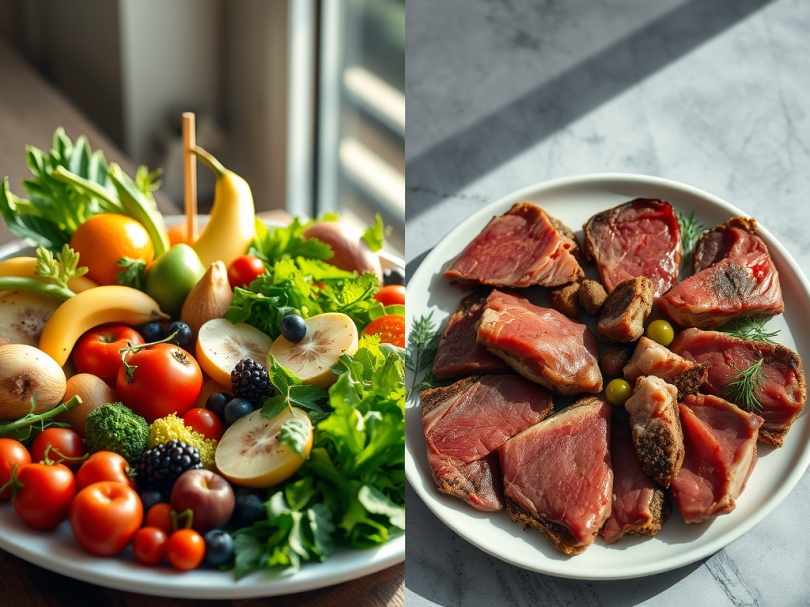
Carnivore vs. Medical Medium: The Best Path to Wellness

This post reflects my personal perspective, shaped by lived experience, long-term research, and prayerful discernment. I am not a medical professional, and nothing here should be taken as medical advice. People are free to explore different dietary approaches, and that freedom matters. What I share here is simply the framework that has proven most effective and sustainable for my own health, values, and belief structure.

I do not follow the Medical Medium protocol in a rigid or absolutist way, nor do I adhere strictly to any single dietary label. Instead, I follow a modified Medical Medium–informed protocol combined with principles of a modified Mediterranean diet, guided by what I’ve found to be physiologically sound, historically grounded, and consistent with biblical teachings on stewardship of the body. This comparison is offered for education and clarity—not persuasion.

Click Here to See Medical Medium Books on Amazon

Introduction: Two Very Different Views of How the Body Heals

The Carnivore Diet and Medical Medium–influenced nutrition represent fundamentally different philosophies about energy, healing, and the long-term needs of the human body.

  • The Carnivore Diet centers exclusively on animal-based foods—meat, fish, eggs, and sometimes dairy—eliminating all plant foods. It is commonly promoted for short-term symptom relief, blood sugar control, and inflammation reduction through carbohydrate elimination.
  • Medical Medium–influenced nutrition, when applied thoughtfully and flexibly, emphasizes fruits, vegetables, herbs, mineral salts, hydration, and strategic fat moderation to support liver function, nervous system health, and detoxification. In my case, this is complemented by selected Mediterranean principles—such as olive oil, herbs, and clean protein—used with restraint and discernment.

While both approaches can appear to “work” on the surface, they do so through entirely different mechanisms. One prioritizes restriction and metabolic adaptation; the other focuses on restoration, replenishment, and long-term resilience. Understanding that difference matters.


1. Energy Production: Glucose vs. Ketosis

Aspect MM-Informed / Mediterranean-Modified Carnivore Diet
Primary Fuel Glucose from fruit, vegetables, and clean starches Ketones from fat and protein
Brain Fuel Designed to run optimally on glucose Relies on ketones when glucose is restricted
Cellular Energy Supports ATP production with lower metabolic stress Requires metabolic adaptation under carbohydrate deprivation
Long-Term Impact Supports liver, thyroid, and nervous system health May increase liver and adrenal strain over time

Why Glucose Matters

The brain and central nervous system are biologically designed to rely on glucose as their primary fuel source. Fruits, vegetables, and properly prepared carbohydrates provide clean energy that replenishes glycogen, stabilizes stress hormones, and supports neurological function.

  • Research consistently shows glucose is the brain’s preferred fuel under normal physiological conditions.
  • Ketosis is a backup survival mechanism, not an ideal long-term state. It becomes dominant during famine or carbohydrate deprivation.
  • Chronic low-carbohydrate intake can increase stress on the liver and adrenal system, particularly in individuals with neurological or metabolic vulnerabilities.

Verdict: Glucose is not the enemy. Metabolic dysfunction arises from liver overload, chronic stress, and excessive fat intake—not from whole-food carbohydrates.


2. Detoxification, Healing, and Chronic Illness

Aspect MM-Informed / Mediterranean-Modified Carnivore Diet
Detox Support Provides antioxidants, minerals, and hydration Minimal support for detox pathways
Liver Function Supports cleansing and regeneration Increased workload from high fat/protein
Pathogen Control Limits viral and bacterial fuel sources No direct antiviral or chelating support
Lymph & Waste Improves hydration and waste movement Can increase acidic metabolic byproducts

A Functional View of Detoxification

From a functional and biblical stewardship perspective, the body heals best when its elimination systems are supported rather than overburdened. Fruits, vegetables, herbs, and adequate hydration supply the micronutrients the liver requires to neutralize toxins and maintain balance.

  • Fiber and plant compounds help bind and remove waste.
  • Hydration is essential for lymphatic flow and neurological stability.
  • Symptom relief without detoxification is not the same as healing.

Verdict: Eliminating triggers can reduce symptoms, but restoration requires nourishment and clearance—not perpetual restriction.


3. Long-Term Sustainability

Aspect MM-Informed / Mediterranean-Modified Carnivore Diet
Liver & Thyroid Supported through glucose and minerals Often stressed long term
Heart Health Low-to-moderate fat, plant-forward High saturated fat intake
Gut Health Feeds beneficial microbiota Starves microbiome diversity
Longevity Historically and culturally consistent Lacks long-term population data

Historically, human diets that supported longevity and resilience were not zero-carb or plant-exclusive. They were balanced, seasonal, and rooted in whole foods—principles echoed both in Mediterranean cultures and biblical agrarian life.

Verdict: Sustainable health is built on nourishment, moderation, and wisdom—not extremes.


Final Thoughts: Why This Approach Works for Me

I don’t follow labels. I follow results, conscience, and stewardship. A modified Medical Medium–informed framework, paired with select Mediterranean principles and grounded in biblical values, has proven to be the most balanced, sustainable approach for my health.

  • ✔ Focuses on restoration rather than suppression
  • ✔ Respects the body’s design and energy needs
  • ✔ Aligns with long-term stewardship, not short-term fixes

Others are free to choose differently. This is simply the path that has brought clarity, stability, and progress for me—and that alignment matters.

Click Here to See Medical Medium Books on Amazon


Disclaimer

The content on this site is for informational purposes only and is not a substitute for professional medical advice. Always consult a qualified healthcare professional before making changes to diet, medication, or health practices.

David Julian, Natural Vitality Advocate, is not a licensed medical professional. Views expressed are personal and do not guarantee outcomes.

David Julian is not affiliated with Natural Vitality or NaturalVitality.com.

What Does the Bible Say About Food? Understanding the Shift from Old to New Testament Dietary Laws

Food plays a significant role in the Bible—not just for physical nourishment but also for spiritual lessons. If you’ve ever wondered why the Old Testament has strict dietary laws while the New Testament seems to lift those restrictions, you’re not alone. The difference reflects God’s unfolding plan for humanity. Let’s explore the biblical dietary laws, their purpose, and why things changed with Jesus.

Old Testament: Clean vs. Unclean Foods

In Leviticus 11 and Deuteronomy 14, God gave the Israelites a clear list of foods they could and couldn’t eat. These dietary laws served multiple purposes:

What Could They Eat?

1. Land Animals – Must have a split hoof and chew the cud (e.g., cows, sheep, deer).

• “However, you may eat any animal with a divided hoof, that is, split in two, and that chews the cud.” (Leviticus 11:3, NASB)

2. Sea Creatures – Must have fins and scales (e.g., salmon, trout, bass).

• “These you may eat, of everything that is in the water: anything that has fins and scales, whether in the seas or in the streams, you may eat.” (Leviticus 11:9, NASB)

3. Birds – Generally non-predatory birds were allowed (e.g., chickens, doves, quail).

4. Insects – Only locusts, crickets, and grasshoppers were considered clean.

What Was Forbidden?

• Pigs (don’t chew cud), camels, and rabbits.

• “The pig, because it has a divided hoof but does not chew cud, it is unclean to you.” (Leviticus 11:7, NASB)

• Shellfish (shrimp, crab, lobster) and scaleless fish (catfish, eels).

• Birds of prey (eagles, vultures, owls).

Why Did God Give These Laws?

• To Set Israel Apart – These laws distinguished Israel from other nations.

• “You are to be holy to Me, for I the Lord am holy; and I have singled you out from the peoples to be Mine.” (Leviticus 20:26, NASB)

• For Health & Hygiene – Many unclean animals carry diseases or toxins.

• Symbolism – Clean and unclean animals reflected spiritual purity and sin.

New Testament: A Shift in Dietary Freedom

When Jesus came, He fulfilled the law (Matthew 5:17, NASB) and introduced a new era—one based on faith, not strict adherence to dietary rules.

What Changed?

1. Jesus Declared All Foods Clean

• “There is nothing outside the person which can defile him if it goes into him; but the things which come out of the person are what defile the person.”

• “By saying this, He declared that all foods are clean.” (Mark 7:18-19, NASB)

2. Peter’s Vision (Acts 10:9-16)

• “What God has cleansed, no longer consider unholy.” (Acts 10:15, NASB)

3. Paul’s Teaching on Food Freedom

• “For everything created by God is good, and nothing is to be rejected if it is received with gratitude.” (1 Timothy 4:3-5, NASB)

Should Christians Follow Old Testament Dietary Laws Today?

The Bible gives freedom in this area. Some believers still follow Old Testament dietary laws for health or personal conviction, while others embrace the New Testament teaching that all foods are permissible when received with gratitude.

The Key Takeaway?

• Food doesn’t determine righteousness—faith in Christ does.

• Health choices are personal, and each believer should follow their convictions without judging others.

• “The one who eats is not to regard with contempt the one who does not eat, and the one who does not eat is not to judge the one who eats, for God has accepted him.” (Romans 14:3, NASB)

• Whatever you eat, do it with gratitude to God.

• “Whether you eat or drink, or whatever you do, do all things for the glory of God.” (1 Corinthians 10:31, NASB)

Final Thoughts

The Bible’s food laws were never just about diet—they were about obedience, holiness, and pointing to Christ. Today, believers are free to eat according to their convictions, but the most important thing is to honor God in all we do.

What are your thoughts? Do you follow any biblical dietary principles in your life? Let’s discuss in the comments!


Disclaimer

The content on this site, including blog posts, shared material, and external links, is for informational purposes only and is not a substitute for professional medical advice, diagnosis, or treatment. Always consult a qualified healthcare professional before making any changes to your health regimen, including medications, diet, exercise, or supplementation.

David Julian, Natural Vitality Advocate, is not a licensed medical professional. The views expressed in this blog and shared content are those of the respective authors and do not guarantee accuracy, completeness, or reliability.

David Julian is not affiliated with Natural Vitality or NaturalVitality.com. He does not promote, sell, or take a position for or against them.

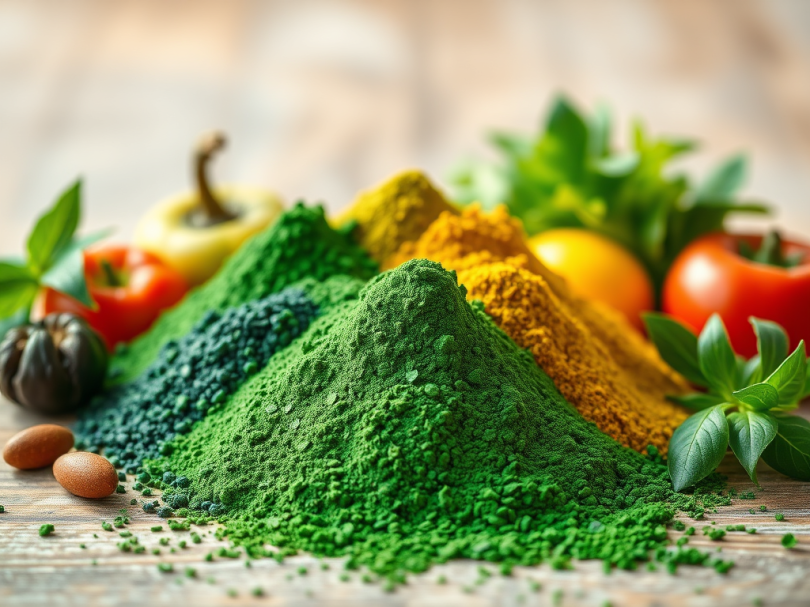
Benefits of Super Greens Powders for Your Health

Super greens powders are becoming a popular way to boost your daily intake of fruits and vegetables, and they can be especially helpful for those following a Medical Medium approach. These powders, made from nutrient-rich green foods, provide a simple way to experience the benefits of a plant-based diet without the need to consume large amounts of fruits and vegetables.

These super greens powders typically contain a blend of organic, nutrient-dense ingredients like spirulina, chlorella, barley grass, and wheatgrass. These ingredients are packed with essential vitamins, minerals, and antioxidants. For example, wheatgrass offers Vitamin C, Vitamin A, Vitamin K, and Vitamin E, while chlorella is rich in Vitamin B12, iron, and beta-carotene. It’s important to choose organic, non-GMO options when possible to ensure the highest quality.

One key benefit of super greens powders is their high chlorophyll content. Chlorophyll, the green pigment in plants, is known for its powerful detoxifying properties and its ability to reduce inflammation. It also supports liver health and promotes healthy, glowing skin. Many super greens powders also include probiotics, which are important for maintaining a balanced and healthy gut microbiome. When choosing a powder, make sure the probiotics are plant-based, as this aligns with the Medical Medium approach.

Incorporating super greens powders into your routine can offer numerous health benefits, such as supporting the immune system, enhancing energy levels, improving digestion, and helping to detoxify the body. These powders can also aid in reducing the risk of chronic health issues, like inflammation, heart disease, and even neurological concerns.

One of the biggest advantages of super greens powders is that they make it easier to get more greens into your diet, especially for people who find it difficult to consume enough fresh, organic fruits and vegetables. They are a perfect way to increase the nutrient density of your meals without adding extra calories or creating digestive burden.

However, it’s important to remember that while super greens powders can be a great supplement, they should not replace a whole-food, plant-based diet that focuses on fresh fruits, vegetables, and herbs. These powders can complement your diet, but it’s essential to prioritize whole, organic foods for full healing benefits. Always consult a healthcare professional before adding any new supplement to your routine, especially if you’re following a specific health protocol like Medical Medium.

In conclusion, super greens powders are a powerful tool for increasing your intake of fruits and vegetables, supporting detoxification, and enhancing your overall health. They provide a convenient way to get the benefits of nutrient-dense greens while supporting your gut health and lowering the risk of chronic conditions—particularly when paired with a diet rich in healing foods like wild blueberries, celery juice, and leafy greens. Always choose organic, plant-based options that align with the Medical Medium approach for the best results.


Disclaimer

The content on this site, including blog posts, shared material, and external links, is for informational purposes only and is not a substitute for professional medical advice, diagnosis, or treatment. Always consult a qualified healthcare professional before making any changes to your health regimen, including medications, diet, exercise, or supplementation.

David Julian, Natural Vitality Advocate, is not a licensed medical professional. The views expressed in this blog and shared content are those of the respective authors and do not guarantee accuracy, completeness, or reliability.

David Julian is not affiliated with Natural Vitality or NaturalVitality.com. He does not promote, sell, or take a position for or against them.

Understanding Flu Vaccines in 2024: Efficacy, Risks, and Natural Alternatives

Disclaimer: This article is for informational purposes only and does not constitute medical advice. Please consult with a healthcare professional before making any health-related decisions.

Introduction: The Flu Vaccine Debate

Every flu season, the debate over flu vaccinations resurfaces. While some advocate for annual flu shots, others question their efficacy, safety, and potential long-term effects. I personally choose not to get the flu vaccine—nor do I support most vaccines—but that doesn’t mean I’m against all vaccines. I believe it’s a personal decision that each individual should make based on their own research and health needs.

With ongoing research, evolving flu strains, and a growing interest in natural immunity boosters, it’s essential to explore all options for flu prevention. Supporting the immune system through nutrition, lifestyle choices, and holistic approaches can play a crucial role in staying healthy during flu season. Everyone deserves access to honest informationso they can make informed, independent health decisions.

In this article, we’ll explore the 2024–2025 flu vaccine composition, effectiveness, possible side effects, and natural alternatives to strengthen the immune system.

Flu Vaccines for the 2024–2025 Season

Every year, the World Health Organization (WHO) reviews and updates influenza vaccine formulations to match the most prevalent circulating strains. The 2024–2025 Northern Hemisphere influenza vaccine has undergone notable changes. Most significantly, the B/Yamagata lineage has been removed from the formulation due to its apparent disappearance since March 2020 (WHO Vaccine Composition).

The trivalent vaccine for this flu season includes:

  • A(H1N1) strain: A/Victoria/4897/2022
  • A(H3N2) strain: A/Darwin/9/2021
  • B strain: B/Austria/1359417/2021 (B/Victoria lineage)

These updates aim to improve protection against circulating flu viruses.

Flu Vaccine Effectiveness and Efficacy

Vaccine effectiveness (VE) varies yearly and depends on multiple factors, including how well the selected strains match circulating viruses and individual immune responses. The CDC reports that flu vaccines generally reduce the risk of flu-related doctor visits by 40%–60% in well-matched seasons (CDC Effectiveness Data).

A comprehensive study in The Lancet Infectious Diseases found that flu vaccines are most effective in healthy adults aged 18–49 but provide significantly lower protection in adults over 65 due to immune system changes.

High-Dose Flu Vaccine for Older Adults

To address lower efficacy in seniors, a high-dose flu vaccine containing four times the antigen of standard flu shots is recommended for adults over 65. Studies have shown that the high-dose vaccine offers 24% more protection against flu-related hospitalization than standard-dose vaccines.

Side Effects and Risks of Flu Vaccines

The flu vaccine is generally well tolerated, but like any medical intervention, it carries potential side effects. The most common mild side effects include:

  • Redness, swelling, or soreness at the injection site
  • Low-grade fever
  • Headache
  • Fatigue
  • Muscle aches

Rare but serious reactions include:

  • Severe allergic reactions (anaphylaxis) – Signs include difficulty breathing, swelling of the face, hives, and dizziness.
  • Guillain-Barré Syndrome (GBS) – A rare neurological disorder that has been linked to flu vaccines in some cases, although the risk is estimated at 1–2 cases per million doses administered (National Institute of Neurological Disorders and Stroke).

Can You Get the Flu from the Flu Shot?

A common myth is that flu vaccines cause the flu. However, injectable flu vaccines contain inactivated viruses that cannot cause infection. Some people may experience mild flu-like symptoms as their immune system reacts to the vaccine, but this is not the flu itself (CDC Flu Vaccine Myths).

Who Should Avoid the Flu Vaccine?

The flu vaccine is generally recommended for individuals over six months of age, but certain populations should exercise caution:

  • Infants younger than six months
  • Individuals with severe allergies to flu vaccine ingredients (e.g., gelatin, thimerosal, egg proteins)
  • People with a history of Guillain-Barré Syndrome
  • Individuals with active high fever (vaccination should be delayed until fever resolves)

Consulting a healthcare provider is crucial for those with underlying conditions or allergies.

Natural Flu Prevention Strategies

For those looking for additional immune support beyond vaccines, several natural approaches may help reduce flu risk and strengthen the immune system:

1. Boosting Immune Function with Nutrition

  • Vitamin D: Multiple studies have found that vitamin D supplementation reduces the risk of respiratory infections, including the flu.
  • Vitamin C: Enhances immune function and may reduce the duration of colds.
  • Zinc: Helps decrease flu duration when taken at the first sign of symptoms.
  • Probiotics: Support gut health, which is linked to overall immune resilience.
  • Elderberry Extract: Shown to reduce flu symptoms and recovery time (PubMed Study).

2. Lifestyle and Preventive Measures

  • Frequent Handwashing – One of the most effective ways to prevent viral infections.
  • Adequate Sleep – A study in Sleep found that those who sleep fewer than six hours per night are more susceptible to infections.
  • Regular Exercise – Moderate exercise enhances immune response and reduces inflammation.
  • Hydration & Stress Reduction – Dehydration and high stress can weaken immune defenses.

Final Thoughts: Making an Informed Decision

Whether or not to receive a flu vaccine is a personal decision that should be made based on available scientific evidence, individual health conditions, and consultation with a healthcare provider. While flu shots offer protection against specific strains, natural immune-boosting strategies can serve as additional preventive measures.

By staying informed and proactive, individuals can navigate flu season safely and effectively.


Resources & References:

📌 What’s Your Take? Have you had positive or negative experiences with flu vaccines? What natural remedies do you use for immune support? Share your thoughts in the comments!

Disclaimer:

The content on this site, including blog posts, shared material, and external links, is for informational purposes only and is not a substitute for professional medical advice, diagnosis, or treatment. Always consult a qualified healthcare professional before making any changes to your health regimen, including medications, diet, exercise, or supplementation.

David Julian, Natural Vitality Advocate, is not a licensed medical professional. The views expressed in this blog and shared content are those of the respective authors and do not guarantee accuracy, completeness, or reliability.

David Julian is not affiliated with Natural Vitality or NaturalVitality.com. He does not promote, sell, or take a position for or against them.

Understanding Sensory Overstimulation (‘Flooding’) After Brain Injury

What Is Sensory Overstimulation (“Flooding”)?

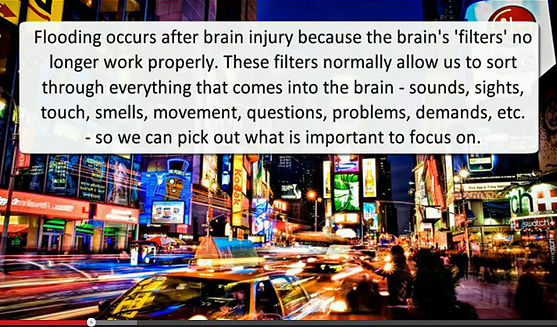
Sensory overstimulation, often referred to as “flooding,” is a condition frequently experienced after a traumatic brain injury (TBI). It occurs when the brain has difficulty filtering and processing incoming sensory information, resulting in overwhelm, fatigue, and cognitive overload.

A stimulus is any form of information perceived through the senses. These include:

  • External stimuli: sight, sound, smell, taste, and touch.
  • Internal stimuli: thoughts, emotions, pain, and body awareness (proprioception).

After a brain injury, the brain’s ability to prioritize and regulate these inputs may be impaired. As a result, everyday environments and routine activities can become mentally exhausting and overwhelming.

Common Symptoms of Sensory Overload in Brain Injury Survivors

  • Increased sensitivity to noise, light, or crowds, particularly in busy or unpredictable environments.
  • Feelings of overwhelm or anxiety during routine daily tasks.
  • Difficulty concentrating or following conversations when multiple sounds are present.
  • Impaired decision-making due to excessive incoming information.
  • Severe mental or physical fatigue from sustained sensory processing.
  • Irritability or frustration linked to overstimulation.

My Personal Experience With Sensory Overload

In December 2017, I experienced another tonic-clonic seizure that resulted in a mild traumatic brain injury (mTBI). While this was not my first head injury—I had sustained multiple concussions over the years—the impact this time was markedly different and far more disruptive to daily life.

Tasks that once felt basic—holding conversations, focusing on a television program, or running routine errands—became increasingly difficult. Sensory overload quickly became a daily and ongoing challenge.

This led to extensive personal research, online searches, participation in group discussions, and a focused effort to understand how sensory overload manifests after brain injury and how it can be managed effectively.

Through this process, I discovered Brain Injury Explanation, a well-developed educational resource for individuals with brain injuries, caregivers, and healthcare professionals.


Resources and Support for Sensory Overload and Brain Injury

1. Brain Injury Explanation – Comprehensive Educational Resource

Visit Brain Injury Explanation

This site provides extensive, well-organized information on brain injury symptoms, recovery considerations, and practical management strategies. Topics include:

  • Sensory overload (“flooding”) and coping approaches
  • Cognitive and emotional challenges after brain injury
  • Rehabilitation concepts and adaptive strategies
  • Guidance and support for caregivers and families

The platform also offers access to a private Facebook support group where survivors and caregivers can connect, share experiences, and learn from one another.


2. Sensory Overload and PTSD: Understanding the Connection


Understanding Sensory Processing Issues in PTSD

Mild traumatic brain injury is frequently associated with Post-Traumatic Stress Disorder (PTSD). Sensory overload is one of several overlapping symptoms between these conditions. Individuals may experience:

  • Hypervigilance, or heightened environmental sensitivity
  • Exaggerated startle responses to sudden sounds or movements
  • Difficulties with emotional regulation when overstimulated

Both PTSD and sensory overload may benefit from structured routines, calming techniques, and intentional environmental modifications.


3. Managing Sensory Overstimulation After Brain Injury

For individuals experiencing sensory overload, the following practical strategies may help reduce symptoms:

  • Reduce visual stimulation by dimming lights, minimizing screen brightness, and avoiding fluorescent lighting when possible.
  • Limit auditory input through the use of noise-canceling headphones in crowded or loud environments.
  • Schedule regular rest periods and avoid stacking high-demand activities back to back.
  • Use technology intentionally by limiting notifications and screen exposure.
  • Identify personal triggers by tracking environments or activities that worsen symptoms.
  • Incorporate calming techniques such as controlled breathing, meditation, or deep-pressure tools like weighted blankets.

4. Additional Brain Injury and Recovery Resources


Final Thoughts and Raising Awareness

Living with sensory overload related to brain injury presents ongoing challenges, but support and effective strategies do exist. Education, shared experience, and access to reliable resources can make a meaningful difference.

I am deeply grateful for platforms like Brain Injury Explanation and the broader online communities that offer clarity, validation, and support. Whether you are a survivor, caregiver, or healthcare professional, I encourage you to explore these resources and share them with others who may benefit.

If you or someone you know has experienced sensory overload following a brain injury, thoughtful discussion and shared insight can help move awareness forward.

Stay informed. Stay engaged. Continue advocating.


Disclaimer

The content provided here, including blog posts, shared materials, and external links, is for informational purposes only and is not intended to replace professional medical advice, diagnosis, or treatment. Always consult a qualified healthcare professional before making changes to medical care, medications, diet, exercise, or supplementation.

David Julian, Natural Vitality Advocate, is not a licensed medical professional. The views expressed are personal and informational and do not guarantee accuracy or completeness.

David Julian is not affiliated with Natural Vitality or NaturalVitality.com and does not promote or sell their products.

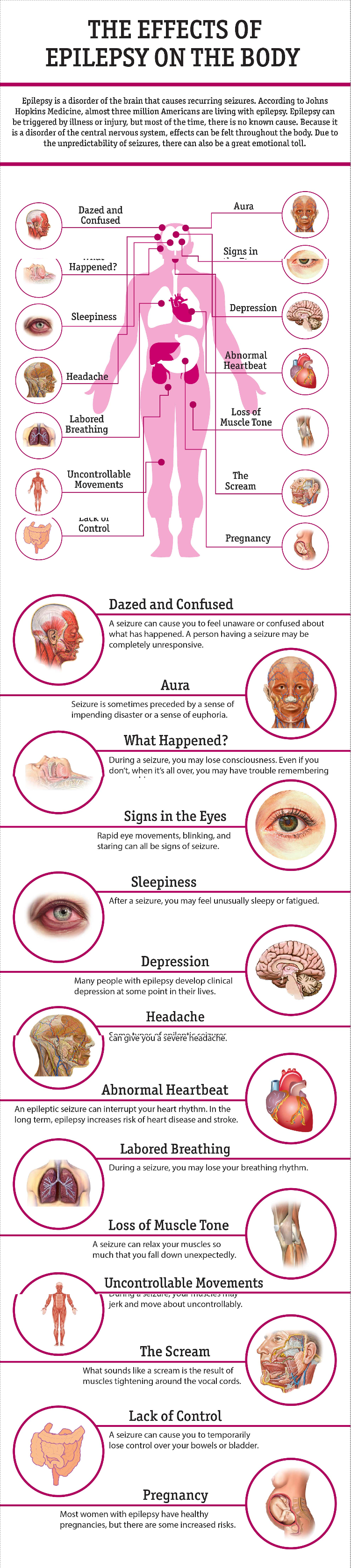
Impact of Epilepsy on Body Systems

Read about how epilepsy and its medications affect your body systems and physiology.

The Effects of Epilepsy on the Body


Thanks to Healthline for a great post.

Source: The Effects of Epilepsy on the Body

Resources used in original post:

Disclaimer:

The content on this site, including blog posts, shared material, and external links, is for informational purposes only and is not a substitute for professional medical advice, diagnosis, or treatment. Always consult a qualified healthcare professional before making any changes to your health regimen, including medications, diet, exercise, or supplementation.

David Julian, Natural Vitality Advocate, is not a licensed medical professional. The views expressed in this blog and shared content are those of the respective authors and do not guarantee accuracy, completeness, or reliability.

David Julian is not affiliated with Natural Vitality or NaturalVitality.com. He does not promote, sell, or take a position for or against them.


What’s Next For Epidiolex Maker GW Pharmaceuticals | Leafly

For nearly four decades, marijuana has been classified as a Schedule I drug, more tightly regulated than opium or cocaine. So it marked a milestone this week when the US Food and Drug Administration granted approval to the first-ever pharmaceutical derived from the cannabis plant.

Epidiolex, developed by UK-based drugmaker GW Pharmaceuticals, is a purified form of CBD meant to treat certain forms of epilepsy. While the FDA has approved other, synthesized cannabinoids—such as dronabinol, a synthetic version of THC—never before have government regulators acknowledged the medical benefits inherent in the Cannabis sativa plant itself.

As you probably know, the approval of Epidiolex has caused a bit of a scare among some in the marijuana community, specifically those who stress the importance of “whole plant” extracts containing other potentially beneficial cannabinoids. Some worry this could actually be a setback for folks who are more whole-plant focused. Do you have any thoughts on that?


Source:

Read on www.leafly.com/news/industry/whats-next-for-epidiolex-maker-gw-pharmaceuticals

Disclaimer:

The content on this site, including blog posts, shared material, and external links, is for informational purposes only and is not a substitute for professional medical advice, diagnosis, or treatment. Always consult a qualified healthcare professional before making any changes to your health regimen, including medications, diet, exercise, or supplementation.

David Julian, Natural Vitality Advocate, is not a licensed medical professional. The views expressed in this blog and shared content are those of the respective authors and do not guarantee accuracy, completeness, or reliability.

David Julian is not affiliated with Natural Vitality or NaturalVitality.com. He does not promote, sell, or take a position for or against them.


The DonJoy Defiance Knee Brace: A Game Changer for Knee Stability and Pain Relief

Leg braces I no longer use - and then the DONJOY (part three)
Click on the image to watch the video

My Journey Through Knee Pain and Bracing

Over the years, I’ve used countless knee braces in an effort to manage my knee pain and weakness. I started with mentholated creams and ace bandages, then progressed to basic off-the-shelf braces. However, none of them provided the support and pain relief I truly needed.

Finally, after years of struggling, I received a custom-built DonJoy Defiance knee brace—and it has been a game changer for my knee stability and, more importantly, my emotional well-being.


My Knee Injury & Why I Needed a Custom Brace

I have severe osteoarthritis in my left knee. Years of epilepsy-related seizure falls have taken a toll, and unfortunately, I seem to always land on that same knee when I have a seizure.

In 2014, one of these falls resulted in a fractured kneecap, accelerating the deterioration of my knee joint. For over a decade, my knee has gradually worsened, until about two years ago, when the sharp pain became unbearable.

Seeking Medical Answers

After multiple doctor visits, X-rays, and tests, I was hoping for a clear solution—maybe even a knee replacement to finally fix the problem. Instead, I was told that surgery wasn’t an immediate option and that my best course of action was to manage my symptoms with physical therapy, pain relief strategies, and bracing.

This was frustrating because chronic knee pain affects more than just mobility—it impacts mental health. The constant discomfort, instability, and fear of falling again led to anxiety and depression, making daily life incredibly difficult.

That’s when my new orthopedic surgeon introduced me to the idea of a custom orthopedic knee brace—one specifically measured and designed for my unique knee condition.


Why I Chose the DonJoy Defiance Custom Knee Brace

The Brace That Changed Everything

Before I got my custom brace, I had tried multiple braces—including off-the-shelf hinged braces and compression sleeves. Some provided temporary relief, but none gave me the stability I needed.

The first time I tried a DonJoy brace was actually by accident. A sales rep at my physical therapy clinic suggested I try one, and after checking with my insurance, I had my first DonJoy brace within two weeks. It was better than anything else I had tried, but it still wasn’t quite enough for long-term support.

Then, in June 2018, my orthopedic surgeon recommended a custom DonJoy Defiance knee brace—a high-performance brace designed for moderate-to-severe knee instability.

📌 Click here to learn more about DonJoy braces: DonJoy Official Website


What Makes the DonJoy Defiance Brace Unique?

The DonJoy Defiance is a custom carbon-composite knee brace designed for individuals with moderate-to-severe ligament instability, including ACL, PCL, MCL, and LCL injuries.

Key Features & Benefits

4-Points-of-Leverage System™ – Clinically proven to reduce ACL strain by at least 50%, offering strong ligament protection.
FourcePoint Hinge Technology – Encourages knee flexion, reducing the risk of hyperextension and re-injury.
Custom Fit – Unlike generic knee braces, the Defiance is measured and molded specifically for your knee, ensuring a perfect fit and maximum comfort.
Lightweight & Low-Profile Design – Made from carbon fiber composite, it’s incredibly lightweight and fits comfortably under clothing.
Used by Professional Athletes – More than 22 of the AP Top 25 NCAA football teams use the Defiance brace for injury prevention.

📌 Research on knee bracing for ACL injuries: Journal of Orthopaedic & Sports Physical Therapy


Who Should Consider a DonJoy Defiance Knee Brace?

This brace is recommended for:

🔹 People with chronic knee instability due to osteoarthritis, ligament injuries, or previous knee trauma.
🔹 Athletes in high-impact sports such as football, basketball, skiing, and motocross.
🔹 Post-surgery patients recovering from ACL/PCL reconstruction or knee ligament injuries.
🔹 Individuals at risk of hyperextension or recurrent knee injuries.

📌 See how a knee brace can help prevent re-injury: American Academy of Orthopaedic Surgeons


My Experience With the DonJoy Defiance Brace

When I first put on my custom DonJoy brace, I noticed an immediate difference.

  • More knee stability – I felt more confident walking and standing.
  • Less pain – The brace redistributed pressure, reducing strain on my joint.
  • Increased mobility – I was able to move more freely without worrying about my knee buckling.

I finally had something that worked—not just for short-term relief, but as a long-term solution for stabilizing my knee and giving me my mobility back.

If you’re struggling with chronic knee pain, ligament instability, or a post-surgical recovery, I highly recommend talking to an orthopedic specialist about a custom knee brace. It might completely change your quality of life—just like it did for me.

📌 Find a specialist who can prescribe a custom brace: American Academy of Orthopaedic Surgeons


Final Thoughts

Knee injuries and chronic pain can limit your lifestyle and impact your mental health. While surgery might not always be an option, bracing can be a powerful tool in managing stability, pain, and mobility.

The DonJoy Defiance custom knee brace has been a game changer for me, and it could be for you too. If you’re dealing with severe knee issues, talk to a doctor or physical therapist to see if this type of custom brace is right for you.

More on knee injury prevention & bracing: National Institutes of Health

📢 Have you tried a knee brace for chronic pain? Share your experiences in the comments!

Watch the video

Disclaimer:

The content on this site, including blog posts, shared material, and external links, is for informational purposes only and is not a substitute for professional medical advice, diagnosis, or treatment. Always consult a qualified healthcare professional before making any changes to your health regimen, including medications, diet, exercise, or supplementation.

David Julian, Natural Vitality Advocate, is not a licensed medical professional. The views expressed in this blog and shared content are those of the respective authors and do not guarantee accuracy, completeness, or reliability.

David Julian is not affiliated with Natural Vitality or NaturalVitality.com. He does not promote, sell, or take a position for or against them.