What Is Sensory Overstimulation (“Flooding”)?
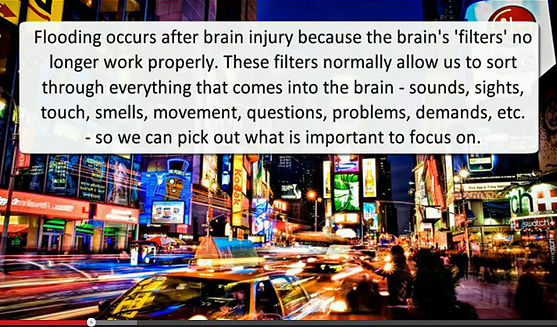
Sensory overstimulation, often referred to as “flooding,” is a condition frequently experienced after a traumatic brain injury (TBI). It occurs when the brain has difficulty filtering and processing incoming sensory information, resulting in overwhelm, fatigue, and cognitive overload.
A stimulus is any form of information perceived through the senses. These include:
- External stimuli: sight, sound, smell, taste, and touch.
- Internal stimuli: thoughts, emotions, pain, and body awareness (proprioception).
After a brain injury, the brain’s ability to prioritize and regulate these inputs may be impaired. As a result, everyday environments and routine activities can become mentally exhausting and overwhelming.
Common Symptoms of Sensory Overload in Brain Injury Survivors
- Increased sensitivity to noise, light, or crowds, particularly in busy or unpredictable environments.
- Feelings of overwhelm or anxiety during routine daily tasks.
- Difficulty concentrating or following conversations when multiple sounds are present.
- Impaired decision-making due to excessive incoming information.
- Severe mental or physical fatigue from sustained sensory processing.
- Irritability or frustration linked to overstimulation.
My Personal Experience With Sensory Overload
In December 2017, I experienced another tonic-clonic seizure that resulted in a mild traumatic brain injury (mTBI). While this was not my first head injury—I had sustained multiple concussions over the years—the impact this time was markedly different and far more disruptive to daily life.
Tasks that once felt basic—holding conversations, focusing on a television program, or running routine errands—became increasingly difficult. Sensory overload quickly became a daily and ongoing challenge.
This led to extensive personal research, online searches, participation in group discussions, and a focused effort to understand how sensory overload manifests after brain injury and how it can be managed effectively.
Through this process, I discovered Brain Injury Explanation, a well-developed educational resource for individuals with brain injuries, caregivers, and healthcare professionals.
Resources and Support for Sensory Overload and Brain Injury
1. Brain Injury Explanation – Comprehensive Educational Resource
Visit Brain Injury Explanation
This site provides extensive, well-organized information on brain injury symptoms, recovery considerations, and practical management strategies. Topics include:
- Sensory overload (“flooding”) and coping approaches
- Cognitive and emotional challenges after brain injury
- Rehabilitation concepts and adaptive strategies
- Guidance and support for caregivers and families
The platform also offers access to a private Facebook support group where survivors and caregivers can connect, share experiences, and learn from one another.
2. Sensory Overload and PTSD: Understanding the Connection
Understanding Sensory Processing Issues in PTSD
Mild traumatic brain injury is frequently associated with Post-Traumatic Stress Disorder (PTSD). Sensory overload is one of several overlapping symptoms between these conditions. Individuals may experience:
- Hypervigilance, or heightened environmental sensitivity
- Exaggerated startle responses to sudden sounds or movements
- Difficulties with emotional regulation when overstimulated
Both PTSD and sensory overload may benefit from structured routines, calming techniques, and intentional environmental modifications.
3. Managing Sensory Overstimulation After Brain Injury
For individuals experiencing sensory overload, the following practical strategies may help reduce symptoms:
- Reduce visual stimulation by dimming lights, minimizing screen brightness, and avoiding fluorescent lighting when possible.
- Limit auditory input through the use of noise-canceling headphones in crowded or loud environments.
- Schedule regular rest periods and avoid stacking high-demand activities back to back.
- Use technology intentionally by limiting notifications and screen exposure.
- Identify personal triggers by tracking environments or activities that worsen symptoms.
- Incorporate calming techniques such as controlled breathing, meditation, or deep-pressure tools like weighted blankets.
4. Additional Brain Injury and Recovery Resources
Brain Injury Association of America – National education, advocacy, and research.
CDC Traumatic Brain Injury Resources – Evidence-based public health information.
Concussion Legacy Foundation – Research and support for concussion and post-concussion syndrome.
Final Thoughts and Raising Awareness
Living with sensory overload related to brain injury presents ongoing challenges, but support and effective strategies do exist. Education, shared experience, and access to reliable resources can make a meaningful difference.
I am deeply grateful for platforms like Brain Injury Explanation and the broader online communities that offer clarity, validation, and support. Whether you are a survivor, caregiver, or healthcare professional, I encourage you to explore these resources and share them with others who may benefit.
If you or someone you know has experienced sensory overload following a brain injury, thoughtful discussion and shared insight can help move awareness forward.
Stay informed. Stay engaged. Continue advocating.
Disclaimer
The content provided here, including blog posts, shared materials, and external links, is for informational purposes only and is not intended to replace professional medical advice, diagnosis, or treatment. Always consult a qualified healthcare professional before making changes to medical care, medications, diet, exercise, or supplementation.
David Julian, Natural Vitality Advocate, is not a licensed medical professional. The views expressed are personal and informational and do not guarantee accuracy or completeness.
David Julian is not affiliated with Natural Vitality or NaturalVitality.com and does not promote or sell their products.

 Natural Vitality Advocate