What’s Next For Epidiolex Maker GW Pharmaceuticals | Leafly

For nearly four decades, marijuana has been classified as a Schedule I drug, more tightly regulated than opium or cocaine. So it marked a milestone this week when the US Food and Drug Administration granted approval to the first-ever pharmaceutical derived from the cannabis plant.

Epidiolex, developed by UK-based drugmaker GW Pharmaceuticals, is a purified form of CBD meant to treat certain forms of epilepsy. While the FDA has approved other, synthesized cannabinoids—such as dronabinol, a synthetic version of THC—never before have government regulators acknowledged the medical benefits inherent in the Cannabis sativa plant itself.

As you probably know, the approval of Epidiolex has caused a bit of a scare among some in the marijuana community, specifically those who stress the importance of “whole plant” extracts containing other potentially beneficial cannabinoids. Some worry this could actually be a setback for folks who are more whole-plant focused. Do you have any thoughts on that?


Source:

Read on www.leafly.com/news/industry/whats-next-for-epidiolex-maker-gw-pharmaceuticals

Disclaimer:

The content on this site, including blog posts, shared material, and external links, is for informational purposes only and is not a substitute for professional medical advice, diagnosis, or treatment. Always consult a qualified healthcare professional before making any changes to your health regimen, including medications, diet, exercise, or supplementation.

David Julian, Natural Vitality Advocate, is not a licensed medical professional. The views expressed in this blog and shared content are those of the respective authors and do not guarantee accuracy, completeness, or reliability.

David Julian is not affiliated with Natural Vitality or NaturalVitality.com. He does not promote, sell, or take a position for or against them.


The Story of “Sunday Nights” —

Sunday Nights is a Bible Study of Calvary Chapel East Anaheim on Sunday Evenings at 6pm. It is the passion of our church to reach our county with the love and truth of Jesus Christ.  There has never been a time in history that we have been better equipped & positioned to bring revival. Jesus is coming back, and we are here to prepare the way for Him by declaring the Word of God and demonstrating His life changing power.  We are not about just going to church service, but coming back to Christ to serve Him!


From Pastor Josh Terada:

In August 2017 at a worship night with my Youth Ministry, God told me that
He planted the seed of revival in my heart. In other words, if I will give
myself to grow what He has given me, it will eventually bud forth to be
seen by all. So, I wrote it on the back of one of those very “pinterest”
felt boards “God planted revival in my heart 8/17”. But, as I began to pray
more about it, God showed that I just saw it in August, but He planted it
in my heart years ago when I was thirteen years old. This is important
because was the year I was baptized, but it was also the year I began to
backslid into addiction to sin. However, it was that time as I gave up on
my relationship with God that I wanted revival for my neighborhood. I
started a blog and began to write about purity and revival, even though I
didn’t want much to do with God. (It was the craziest thing.) As I’ve
talked to God this year, God showed me that He chose to plant the seed of
revival in that time when I had so little faith in God, to prove to me that
when He carries out any exploit of faith through my life, it will be
obvious that it was not because of my faith in God, but His grace to me.
Because He was faithful to me, when I was faithless to Him.
— Read on www.sundaynights.org/the-story

Disclaimer:

The content on this site, including blog posts, shared material, and external links, is for informational purposes only and is not a substitute for professional medical advice, diagnosis, or treatment. Always consult a qualified healthcare professional before making any changes to your health regimen, including medications, diet, exercise, or supplementation.

David Julian, Natural Vitality Advocate, is not a licensed medical professional. The views expressed in this blog and shared content are those of the respective authors and do not guarantee accuracy, completeness, or reliability.

David Julian is not affiliated with Natural Vitality or NaturalVitality.com. He does not promote, sell, or take a position for or against them.

The DonJoy Defiance Knee Brace: A Game Changer for Knee Stability and Pain Relief

Leg braces I no longer use - and then the DONJOY (part three)
Click on the image to watch the video

My Journey Through Knee Pain and Bracing

Over the years, I’ve used countless knee braces in an effort to manage my knee pain and weakness. I started with mentholated creams and ace bandages, then progressed to basic off-the-shelf braces. However, none of them provided the support and pain relief I truly needed.

Finally, after years of struggling, I received a custom-built DonJoy Defiance knee brace—and it has been a game changer for my knee stability and, more importantly, my emotional well-being.


My Knee Injury & Why I Needed a Custom Brace

I have severe osteoarthritis in my left knee. Years of epilepsy-related seizure falls have taken a toll, and unfortunately, I seem to always land on that same knee when I have a seizure.

In 2014, one of these falls resulted in a fractured kneecap, accelerating the deterioration of my knee joint. For over a decade, my knee has gradually worsened, until about two years ago, when the sharp pain became unbearable.

Seeking Medical Answers

After multiple doctor visits, X-rays, and tests, I was hoping for a clear solution—maybe even a knee replacement to finally fix the problem. Instead, I was told that surgery wasn’t an immediate option and that my best course of action was to manage my symptoms with physical therapy, pain relief strategies, and bracing.

This was frustrating because chronic knee pain affects more than just mobility—it impacts mental health. The constant discomfort, instability, and fear of falling again led to anxiety and depression, making daily life incredibly difficult.

That’s when my new orthopedic surgeon introduced me to the idea of a custom orthopedic knee brace—one specifically measured and designed for my unique knee condition.


Why I Chose the DonJoy Defiance Custom Knee Brace

The Brace That Changed Everything

Before I got my custom brace, I had tried multiple braces—including off-the-shelf hinged braces and compression sleeves. Some provided temporary relief, but none gave me the stability I needed.

The first time I tried a DonJoy brace was actually by accident. A sales rep at my physical therapy clinic suggested I try one, and after checking with my insurance, I had my first DonJoy brace within two weeks. It was better than anything else I had tried, but it still wasn’t quite enough for long-term support.

Then, in June 2018, my orthopedic surgeon recommended a custom DonJoy Defiance knee brace—a high-performance brace designed for moderate-to-severe knee instability.

📌 Click here to learn more about DonJoy braces: DonJoy Official Website


What Makes the DonJoy Defiance Brace Unique?

The DonJoy Defiance is a custom carbon-composite knee brace designed for individuals with moderate-to-severe ligament instability, including ACL, PCL, MCL, and LCL injuries.

Key Features & Benefits

4-Points-of-Leverage System™ – Clinically proven to reduce ACL strain by at least 50%, offering strong ligament protection.
FourcePoint Hinge Technology – Encourages knee flexion, reducing the risk of hyperextension and re-injury.
Custom Fit – Unlike generic knee braces, the Defiance is measured and molded specifically for your knee, ensuring a perfect fit and maximum comfort.
Lightweight & Low-Profile Design – Made from carbon fiber composite, it’s incredibly lightweight and fits comfortably under clothing.
Used by Professional Athletes – More than 22 of the AP Top 25 NCAA football teams use the Defiance brace for injury prevention.

📌 Research on knee bracing for ACL injuries: Journal of Orthopaedic & Sports Physical Therapy


Who Should Consider a DonJoy Defiance Knee Brace?

This brace is recommended for:

🔹 People with chronic knee instability due to osteoarthritis, ligament injuries, or previous knee trauma.
🔹 Athletes in high-impact sports such as football, basketball, skiing, and motocross.
🔹 Post-surgery patients recovering from ACL/PCL reconstruction or knee ligament injuries.
🔹 Individuals at risk of hyperextension or recurrent knee injuries.

📌 See how a knee brace can help prevent re-injury: American Academy of Orthopaedic Surgeons


My Experience With the DonJoy Defiance Brace

When I first put on my custom DonJoy brace, I noticed an immediate difference.

  • More knee stability – I felt more confident walking and standing.
  • Less pain – The brace redistributed pressure, reducing strain on my joint.
  • Increased mobility – I was able to move more freely without worrying about my knee buckling.

I finally had something that worked—not just for short-term relief, but as a long-term solution for stabilizing my knee and giving me my mobility back.

If you’re struggling with chronic knee pain, ligament instability, or a post-surgical recovery, I highly recommend talking to an orthopedic specialist about a custom knee brace. It might completely change your quality of life—just like it did for me.

📌 Find a specialist who can prescribe a custom brace: American Academy of Orthopaedic Surgeons


Final Thoughts

Knee injuries and chronic pain can limit your lifestyle and impact your mental health. While surgery might not always be an option, bracing can be a powerful tool in managing stability, pain, and mobility.

The DonJoy Defiance custom knee brace has been a game changer for me, and it could be for you too. If you’re dealing with severe knee issues, talk to a doctor or physical therapist to see if this type of custom brace is right for you.

More on knee injury prevention & bracing: National Institutes of Health

📢 Have you tried a knee brace for chronic pain? Share your experiences in the comments!

Watch the video

Disclaimer:

The content on this site, including blog posts, shared material, and external links, is for informational purposes only and is not a substitute for professional medical advice, diagnosis, or treatment. Always consult a qualified healthcare professional before making any changes to your health regimen, including medications, diet, exercise, or supplementation.

David Julian, Natural Vitality Advocate, is not a licensed medical professional. The views expressed in this blog and shared content are those of the respective authors and do not guarantee accuracy, completeness, or reliability.

David Julian is not affiliated with Natural Vitality or NaturalVitality.com. He does not promote, sell, or take a position for or against them.

Famous Figures Who Battled Epilepsy

Even though an estimated 65 million people in the world have epilepsy, a neurological condition of the brain that causes seizures, not many people in the spotlight speak openly about it. Below, is an ever growing list of people — writers, athletes, entertainers, etc., that I’m compiling — who lived and some who are still living, with epilepsy. 

1. Vincent Van Gogh330px-Vincent_van_Gogh_-_Self-Portrait_-_Google_Art_Project_(454045)

‘I am not an adventurer by choice but by fate.’ — Vincent Van Gogh

Doctors believed painter Vincent Van Gogh lived with temporal lobe epilepsy and bipolar disorder, according to the Van Gogh Gallery. “Temporal lobe seizures originate in the temporal lobes of your brain, which process emotions and are important for short-term memory,” according to the Mayo Clinic.

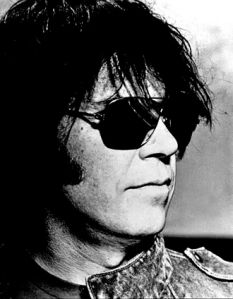
2. Neil Young

Neil_Young_-_1983


Neil Young is a singer and songwriter who lives with epilepsy. He’s also had polio and a brain aneurysm, according to The New York Times. His daughter, Amber Jean, also has epilepsy. Young helped found the Bridge School, where individuals with severe speech and physical impairments can go to learn.

“Epilepsy taught me that we’re not in control of ourselves.” — Neil Young


3. Edgar Allan Poe Edgar_Allan_Poe_daguerreotype_crop
“It is happiness to wonder. It is happiness to dream.” — Edgar Allan Poe

“The Raven” poet wrote about his episodic unconsciousness, confusion and paranoia, according to the U.S. National Library of Medicine. While the cause of his death is still unknown, historians think Poe may have died from alcohol abuse, his epilepsy or heart failure, according to the National Endowment for the Arts.

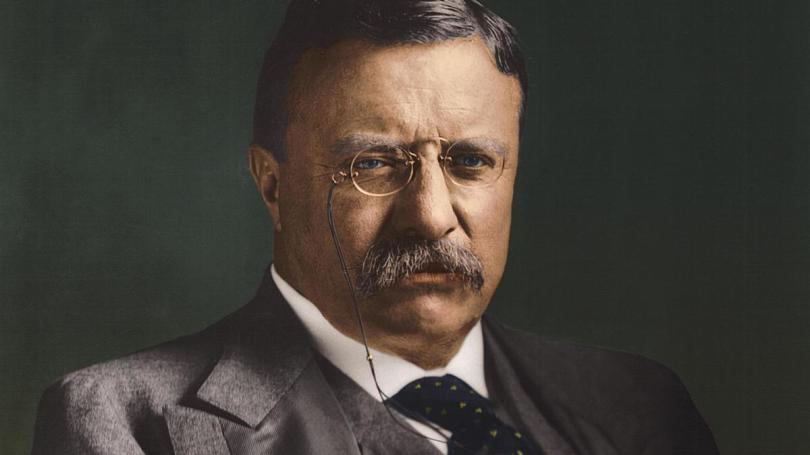
4. Theodore Roosevelt

theodore-roosevelt---sagamore-hill
“Courage is not having the strength to go on; it is going on when you don’t have the strength.” — Theodore Roosevelt

Both Theodore Roosevelt, the 26th President of the United States, and his lesser known brother, Elliot, had seizures throughout their lives, according to the Theodore Roosevelt Center. Elliot Roosevelt died from a seizure a few days after he attempted suicide. Despite Theodore Roosevelt’s many health conditions, he was active outdoors. He was dedicated to preserving our environment and is considered the “Conservationist President,” according to the National Park Service.

5. Lewis Carroll Lewis-Carroll-teal

“One of the deep secrets of life is that all that is really worth the doing is what we do for others.” — Lewis Carroll

Author Charles Lutwidge Dodgson, known under the pen name “Lewis Carroll,” recorded two of his seizures in journals, according to the Lewis Carroll Society of North America. Doctors now suspect that Carroll lived with temporal lobe epilepsy, according to The New York Times.

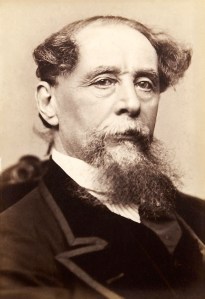
6. Charles DickensDickens_Gurney_head

“No one is useless in this world who lightens the burdens of another.” — Charles Dickens

Author Charles Dickens had epilepsy when he was a child but didn’t have seizures as an adult, according to the BC Epilepsy Society. Some prominent characters in Dickens’ books had epilepsy, including Monks in “Oliver Twist” and Bradley Headstone in “Our Mutual Friend,” according to the U.S. National Library of Medicine.

7. Princedownload

“Despite everything, no one can dictate who you are to other people.” — Prince

Prince dealt with epilepsy as a child, he told People magazine, but the singer claims his epilepsy was cured after an angel spoke to him. “One day I… said, ‘Mom, I’m not going to be sick anymore,’” he said on PBS’ “Tavis Smiley” show, “and she said, ‘Why?’, and I said, ‘Because an angel told me so.’”

8. Florence Griffith Joynerdownload (1)

“When anyone tells me I can’t do anything… I’m just not listening anymore.” — Florence Griffith Joyner

Florence Griffith Joyner, nicknamed Flo-Jo, was an American Olympian. She died in 1998 from an epileptic seizure, which doctors then tried to contribute to Flo-Jo’s use of performance enhancing drugs, according to The New York Times. Flo-Jo passed every drug test she took and denied ever using drugs, according to CNN. “My wife took the final, ultimate drug test,” Flo-Jo’s husband, Al Joyner, said in a statement after her death.

9. Lil Wayne400x400_12_Famous_Faces_of_Epilepsy_LilWayne

Rap superstar Lil Wayne recently came clean about the condition he has dealt with for much of his life. In 2013, he was hospitalized when he had a series of seizures. They occurred after shooting a music video, and it was assumed they were brought on by a busy schedule and lack of sleep. Recalling this frightening time, Wayne said, “No warning, no nothing, I don’t feel sick. I get headaches real bad. And the headaches? I didn’t get no headaches or nothing.”

After recovering, Lil Wayne opened up in an interview about having multiple seizures throughout his life. In talking publicly about his epilepsy and what it feels like to have a seizure, the rapper is helping to shed light on the condition for his millions of fans. He also has made it a point to let his fans know that epilepsy won’t damper his career plans or schedule, saying that his doctor “didn’t tell me to do too much that a human doesn’t do anyway. Sleep and eat right, that’s about it.”

10. Jean Clemensjean clemens

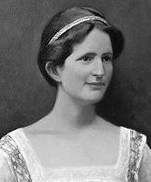
The youngest daughter of Mark Twain. She had epilepsy from age fifteen, which her father attributed to a childhood head injury. Her epilepsy was not successfully controlled and at one point she was sent to an epilepsy colony in Katonah, New York. She was found dead on Christmas Eve in her bath aged 29. The cause of death was reported as drowning due to epilepsy.

11. Dai Greene400x400_12_Famous_Faces_of_Epilepsy_DaiGreene

Olympic athlete Dai Greene is an example of how lifestyle habits can make a real difference to your health. The British track and field hurdler has epilepsy, but he hasn’t had a seizure in years. After medications failed to eliminate his seizures, Greene realized that alcohol, stress, and lack of sleep triggered them. He changed his lifestyle, cut out alcohol, and started eating better.

In 2011, Greene told The Guardian how his family was skeptical about these changes at first. He went on: “But they were fine once I discussed it with my specialist, who agreed to me coming off medication because I’d changed my lifestyle dramatically. I was no longer drinking … so I was confident I wouldn’t put myself in a scenario where I’d have another seizure. I very rarely drink alcohol now. I’ve had some nights when I’ve gone drinking at the end of the season, but as long as I spend time in bed the next day I’m fine. Also, my girlfriend doesn’t drink, so that helps.”

While we can give Greene kudos for overcoming these challenges naturally, you shouldn’t stop taking your medications without a serious discussion with your doctor. No one with a medical condition should rely on lifestyle changes alone without consulting a doctor. But Dai’s success shows that healthy living can be a great supplement to professional medical care.

12. Danny Gloverdownload (2)

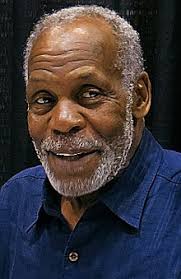
He will forever be known for his role in the popular “Lethal Weapon” movies, but Danny Glover also impacts people when he talks about epilepsy. The Academy Award-winning actor struggled with epilepsy and seizures as a child. Like many people with epilepsy, he outgrew the disorder.

Glover attributes part of his success to being able to recognize the warning signs of seizures after his first one at the age of 15. He said “Eventually, I could recognize it happening … Each time I got a bit stronger and the symptoms began to diminish to the point where I was ready to go on stage.”

Today, Glover works to bring awareness to epilepsy by supporting the Epilepsy Foundation. He contributes to the organization’s programs for children and volunteers his time speaking about epilepsy and bringing awareness to the issue.

13. Jason Snelling400x400_12_Famous_Faces_of_Epilepsy_JasonSnelling

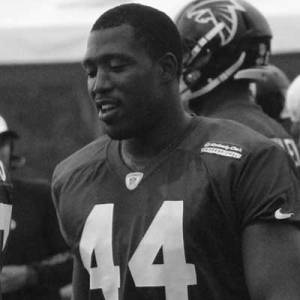
Former Atlanta Falcons running back Jason Snelling is another important supporter of the Epilepsy Foundation. He was diagnosed with epilepsy in college. With treatment, he was able to continue his football career and become a successful professional athlete.

Snelling has been outspoken about his condition — particularly the stigmas and difficulties surrounding diagnosis. In an interview, he said that “It took a long time for the doctors to diagnose me because not all seizures are due to epilepsy; it could have been a seizure disorder that was caused by something else. In my case, it did turn out to be epilepsy.” Furthermore, he offers advice on fear and stigma: “You know, there’s a big fear factor about having seizures in public, of maybe having one in front of other people. And I like to tell people not to worry so much about that. Epilepsy can be managed, and you can go on and do whatever you want to do. I was able to fight my fears and overcome a lot of things; having epilepsy has actually built my character.”

Today, Snelling works with the Epilepsy Foundation to bring awareness to the condition. He reaches out to others by speaking out about his own experiences. He also works with the Foundation’s African American initiative, Know the Difference. Snelling’s outreach is helping to bring awareness and funding to this important cause.

14. Susan Boyle400x400_12_Famous_Faces_of_Epilepsy_SusanBoyle

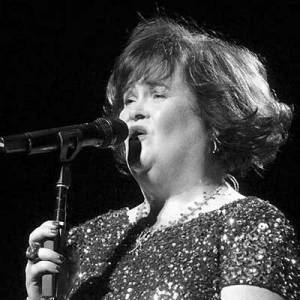
The woman who made waves on “Britain’s Got Talent” with her lovely voice has also opened up about having epilepsy. The unlikely star struggled with the condition throughout her childhood. In recalling those struggles, she has said: “At school I used to faint a lot. It’s something I’ve never talked about. I had epilepsy. People in the public eye don’t have things like that. All through my childhood they’d say epilepsy is to do with mental function. And now I realize it’s not. I was up against all those barriers. It wasn’t easy.”

Boyle has talked openly about her disability and how it held her back. Adults in her life told her that her seizures were due to a mental defect, and for years she believed them. By talking about her struggles, Boyle helps to shine a light on children who may experience complex emotions because of epilepsy.

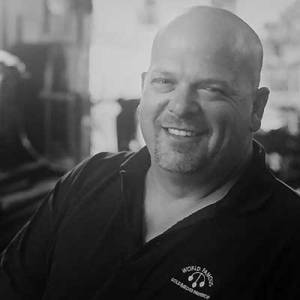
15. Rick Harrison400x400_12_Famous_Faces_of_Epilepsy_RickHarrison

His fans know him as the knowledgeable owner of the Gold and Silver Pawn Shop and the star of “Pawn Stars.” What Rick Harrison’s fans might not know about him is that he lives with epilepsy. Harrison attributes his love of history to the fact that he was forced to spend much of his time as a child inside the house, alone. The Epilepsy Foundation has quoted Harrison as saying, “Because of my seizures, I was forced to spend a lot of time in bed in my room away from the television when I was a kid … The best way to entertain myself was to read, so I became very interested in history books.” He ended up developing a lifelong passion for the subject.

Now, Harrison is giving back by working with the Epilepsy Foundation and helping the organization bring awareness to his home state of Nevada.

16. Chanda Gunn400x400_12_Famous_Faces_of_Epilepsy_ChandaGunn

Athletes with epilepsy are particularly great at inspiring others to succeed in the face of a physical disability. Among some of the most inspiring is Chanda Gunn, the goalie for the 2006 women’s U.S. Olympic ice hockey team. Diagnosed at the age of nine, Chanda was already an avid athlete. When she was forced to give up swimming and surfing, she took up hockey and never looked back.

For Gunn, it’s important to let other people with epilepsy know that the condition won’t hold you back from your dreams. While ice hockey might be considered dangerous for people with epilepsy, Gunn demonstrates that anything is possible. On epilepsy.com she writes: “There’s no reason why a person with epilepsy can’t play sports or pursue their dreams.” Although she was afraid of the sport she’s now famous for playing, she further says, “I’ve learned to live with it, the fear of the unknown, because I want to really live life and for me that means playing ice hockey.”

Today, Gunn is one of the most successful women in U.S. hockey. She’s also a spokeswoman for the Epilepsy Therapy Project.

17. Alan Faneca400x400_12_Famous_Faces_of_EpilepsyAlanFaneca

Former guard for three NFL teams and a winner of one Super Bowl, Alan Faneca has long been vocal about living with epilepsy. He was diagnosed at the age of 15 and has coped with it ever since. He’s opened up about living in fear (especially as a teenager) with epilepsy, and his early attempts to hide it. He was quoted in The New York Times as saying, “I felt like a freak. You live scared that somebody is going to find out, and they’re going to think less of you. You’re living in the shadows.”

In spite of his condition, Faneca managed to have a 13-year career in professional football that included several Pro Bowl awards. He’s now a spokesperson for the Epilepsy Foundation, spreading awareness and teaching people first aid for seizures.

18. Hugo Weaving400x400_12_Famous_Faces_of_Epilepsy_HugoWeaving

Australian actor Hugo Weaving is best known to Americans for his roles in “The Matrix” and “The Lord of the Rings.” He started his battle with epilepsy as a teenager when he experienced major seizures at least once a year. Weaving says that his disorder never held him back, and that he didn’t let it stop him from doing the things he loved to do.

He’s also been open about his experiences with the condition — including medications. In 2015, he was quoted in The Guardian as saying, “People always thought I was laid back, but I was basically doped for 30 years on epilepsy drugs. I ran out of my meds filming in the desert and went cold turkey. I was on a moderately high dose and it was masking a nervous anxiety I didn’t know I had.”

Weaving always had a positive attitude about his illness and hoped that he would outgrow it. Because of the seizures, he was never able to get a driver’s license. Today, he can say that his hopes came true. He hasn’t experienced a seizure in over 18 years.

19. Elton John330px-Elton_John_2011_Shankbone_2

Elton John has struggled with epilepsy for years.  It is thought that the epilepsy was induced by the star’s years of drug use. Sir Elton Hercules John CBE is an English singer, songwriter, composer, pianist, record producer, and occasional actor. He has worked with lyricist Bernie Taupin as his songwriter partner since 1967; they have collaborated on more than 30 albums to date. In his five-decade career Elton John has sold more than 300 million records, making him one of the best-selling music artists in the world. He has more than fifty Top 40 hits, including seven consecutive No. 1 US albums, 58 Billboard Top 40 singles, 27 Top 10, four No. 2 and nine No. 1. For 31 consecutive years he had at least one song in the Billboard Hot 100.

20. Alexander the Greatalexander-the-great-fictional-characters-photo-u2

Alexander the Great had epilepsy although at the time is was diagnosed as the “sacred disease.”

Alexander III of Macedon, commonly known as Alexander the Great, was a King of the Ancient Greek kingdom of Macedon and a member of the Argead dynasty. Born in Pella in 356 BC, Alexander succeeded his father, Philip II, to the throne at the age of twenty. He spent most of his ruling years on an unprecedented military campaign through Asia and northeast Africa, until by the age of thirty he had created one of the largest empires of the ancient world, stretching from Greece to Egypt and into northwest India. He was undefeated in battle and is considered one of history’s most successful military commanders.

21. Adam Horovitzadam-horovitz-recording-artists-and-groups-photo-1

Horovitz was married to actress Ione Skye from 1992 to 1995. They separated in 1995 and divorced in 1999. Since 1997 he has been involved with riot grrrl artist Kathleen Hanna; they married in 2006. Horovitz is featured prominently in The Punk Singer, a 2013 documentary film about Hanna’s life and career; he even shot a scene himself to show Hanna’s distressed reaction to the medication she was taking against Lyme disease. His best friend since childhood is actress Nadia Dajani, whom he met at P.S. 41, a public elementary school in Manhattan.

Horovitz began to wear a medical alert bracelet following the tonic–clonic seizure he experienced in 2003.

22. William Alexander “Bud” Abbott Bud_Abbott_in_a_crop_from_a_promotional_photograph_for_Abbott_and_Costello_Meet_Frankenstein_in_1948

Famous comedian (half of the “Abbot and Costello” duo) who had epilepsy all his life, but tried to control and hide it. He was an American actor of burlesque, radio, stage, television and film, producer, and comedian. He is best remembered as the “straight man” of the comedy duo Abbott and Costello, along with Lou Costello. Abbott was active for over 30 years, appearing in both television and film roles.

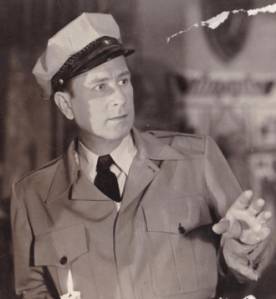
23. Ward Bond330px-Operation_Pacific-Ward_Bond

A film actor. His epilepsy led to his exclusion from the draft during World War II. He was an American film character actor whose rugged appearance and easygoing charm were featured in more than 200 films and the NBC television series Wagon Train from 1957 to 1960. Among his best-remembered roles are Bert, the cop, in Frank Capra’s It’s a Wonderful Life (1946) and Captain Clayton in John Ford’s The Searchers (1956).


Contributing Sources:

9 Famous People You Probably Didn’t Know Had Epilepsy | Health Updates 
By Margaret Lenker
Healthline Newsletter – 12 Famous Faces of Epilepsy
By Mary Ellen Ellis and Kristeen Cherney
WIKI

Disclaimer:

The content on this site, including blog posts, shared material, and external links, is for informational purposes only and is not a substitute for professional medical advice, diagnosis, or treatment. Always consult a qualified healthcare professional before making any changes to your health regimen, including medications, diet, exercise, or supplementation.

David Julian, Natural Vitality Advocate, is not a licensed medical professional. The views expressed in this blog and shared content are those of the respective authors and do not guarantee accuracy, completeness, or reliability.

David Julian is not affiliated with Natural Vitality or NaturalVitality.com. He does not promote, sell, or take a position for or against them.

Future of Social Security: What You Should Know

Each month, over 62 million Americans receive Social Security benefits, providing a critical financial lifeline for retirees, disabled individuals, and surviving family members. Among these beneficiaries, approximately 45 million are retired workers. According to the Social Security Administration (SSA), 62% of retirees depend on Social Security for at least half of their monthly income.

This staggering reliance underscores how vital Social Security is to the financial well-being of older Americans. However, concerns about the future stability of this program continue to grow, leaving both current and future beneficiaries uncertain about their financial security.

🔹 How will Social Security affect your retirement plans?
🔹 Will the system still be able to provide full benefits in the future?
🔹 What steps can you take to protect your financial stability?


Why Americans Are Concerned About Social Security’s Future

Regardless of whether you’re a retired worker or one of the approximately 175 million employed Americanscontributing to Social Security, the future of this program is a shared concern. The Social Security Board of Trustees releases an annual report assessing the program’s financial health, and recent findings paint a troubling picture.

Key Findings From the Latest Social Security Trustees Report

📉 Projected Trust Fund Depletion: The Old-Age and Survivors Insurance (OASI) Trust Fund is expected to be depleted by 2034, a year earlier than previously estimated. This means that without legislative changes, Social Security may only be able to pay about 80% of scheduled benefits at that point.

📊 Growing Beneficiary Numbers vs. Declining Worker Contributions:

  • The worker-to-beneficiary ratio is shrinking due to lower birth rates and increased life expectancy.
  • Fewer workers paying into the system means fewer contributions to support retirees.

💰 Rising Costs & Inflation Impact:

  • Cost-of-living adjustments (COLA) increase benefits to keep up with inflation, but these adjustments put additional financial strain on the program.
  • In 2023, Social Security recipients saw an 8.7% COLA increase—one of the highest in decades—due to high inflation.

⚖️ Legislative Uncertainty:

  • Congress has yet to implement long-term solutions to ensure the sustainability of Social Security funding.
  • Potential policy changes could involve tax increases, benefit reductions, or raising the full retirement agebeyond 67.

📌 Read the full SSA Trustees Report: Social Security Administration Trustees Report


What This Means for Current & Future Beneficiaries

For current retirees, Social Security will continue paying benefits for the foreseeable future, but if the trust fund is depleted, payments may be reduced by about 20% unless corrective measures are taken.

For younger workers, the uncertainty surrounding Social Security’s long-term funding highlights the importance of building additional retirement savings beyond government benefits.


How to Protect Your Retirement Income

Given the uncertain future of Social Security, individuals must take proactive steps to secure their financial stability in retirement. Here’s what you can do:

1. Diversify Your Retirement Income

Social Security should not be your only source of retirement income. Consider investing in:

  • Employer-Sponsored 401(k) Plans: Many employers match contributions, helping you grow your retirement savings faster.
  • Traditional & Roth IRAs: These tax-advantaged accounts provide long-term financial security.
  • Dividend Stocks or Real Estate Investments: Passive income streams can supplement Social Security benefits.

📌 Learn more about IRA options: IRS – Individual Retirement Arrangements (IRAs)


2. Maximize Your Social Security Benefits

To get the most from Social Security, consider these strategies:

  • Delay Claiming Benefits: If possible, wait until age 70 to maximize your monthly payments. Each year you delay past full retirement age increases your benefit.
  • Work for at Least 35 Years: Your benefit amount is based on your highest 35 years of earnings. Working longer can replace lower-earning years with higher-earning ones.
  • Coordinate Spousal Benefits: If married, understand how spousal and survivor benefits impact your income.

📌 Use the SSA Benefit Calculator: Social Security Retirement Estimator


3. Stay Informed on Legislative Changes

Social Security reform is a highly debated topic in Congress, with proposals including:

  • Raising the Payroll Tax Cap to increase revenue.
  • Gradually increasing the full retirement age beyond 67.
  • Adjusting benefit calculations to slow cost increases.

📌 Track the latest Social Security news: Social Security Administration Newsroom


Additional Related Content

🔹 The Role of Medicare & Healthcare Costs in Retirement

Social Security alone isn’t enough—healthcare costs are one of the biggest financial burdens in retirement.

  • Medicare covers only 80% of medical expenses, meaning retirees need supplemental coverage.
  • The average retiree spends $315,000 on healthcare after retirement.

📌 Learn about Medicare Plans: Medicare.gov


🔹 Alternative Retirement Investment Strategies

Relying solely on Social Security can be risky, so it’s wise to build multiple income streams:

  • Invest in Gold & Precious Metals: Protect against inflation.
  • Consider Annuities: Guaranteed income for life.
  • High-Yield Savings & CDs: Safer, low-risk investments.

📌 Compare investment strategies: Investopedia Retirement Planning


🔹 The Importance of Budgeting for Retirement

Many retirees overspend in the early years of retirement, which can lead to financial stress later.

  • Track expenses with budgeting tools like YNAB (You Need a Budget) or Mint.
  • Use the 4% withdrawal rule for steady income from savings.

📌 Free Retirement Budgeting Tools: Consumer Financial Protection Bureau


Social Security’s Future Requires Proactive Planning

While Social Security remains a crucial safety net, its long-term sustainability is uncertain without reforms. Whether you’re already retired or still in the workforce, planning for multiple income sources and staying informed on policy changes will help safeguard your financial future.

💡 Are you worried about the future of Social Security?
📢 Share your thoughts in the comments!

📌 For more Social Security updates, visit: Social Security Administration – Official Site

Disclaimer:

The content on this site, including blog posts, shared material, and external links, is for informational purposes only and is not a substitute for professional medical advice, diagnosis, or treatment. Always consult a qualified healthcare professional before making any changes to your health regimen, including medications, diet, exercise, or supplementation.

David Julian, Natural Vitality Advocate, is not a licensed medical professional. The views expressed in this blog and shared content are those of the respective authors and do not guarantee accuracy, completeness, or reliability.

David Julian is not affiliated with Natural Vitality or NaturalVitality.com. He does not promote, sell, or take a position for or against them.

🔊 LISTEN: Revival is not the world’s problem, it’s the church’s purpose. (Matt. 9:35-37) — Calvary Chapel East Anaheim | YOUTH

Christians, it’s time to stop blaming the world for the lack of revival, it’s time to start working the Word of God! Revival is not the problem of the world, it’s the purpose of the church. There is no lack of fruit, only a lack of farmers to bring in the ripe harvest.

MATTHEW 9:35-37

35 Then Jesus went about all the cities and villages, teaching in their synagogues, preaching the gospel of the kingdom, and healing every sickness and every disease among the people. 36 But when He saw the multitudes, He was moved with compassion for them, because they were weary and scattered, like sheep having no shepherd. 37 Then He said to His disciples, “The harvest truly is plentiful, but the laborers are few.

Source: 🔊 LISTEN: Revival is not the world’s problem, it’s the church’s purpose. (Matt. 9:35-37) — Calvary Chapel East Anaheim | YOUTH

Disclaimer:

The content on this site, including blog posts, shared material, and external links, is for informational purposes only and is not a substitute for professional medical advice, diagnosis, or treatment. Always consult a qualified healthcare professional before making any changes to your health regimen, including medications, diet, exercise, or supplementation.

David Julian, Natural Vitality Advocate, is not a licensed medical professional. The views expressed in this blog and shared content are those of the respective authors and do not guarantee accuracy, completeness, or reliability.

David Julian is not affiliated with Natural Vitality or NaturalVitality.com. He does not promote, sell, or take a position for or against them.

My name is Wil Wheaton. I live with chronic Depression, and I am not ashamed. – WIL WHEATON dot NET

I’m about to go speak to NAMI Ohio’s statewide conference, Fulfilling the Promise. These are the remarks I prepared for my speech.

Before I begin, I want to warn you that this talk touches on many triggering subjects, including self-harm and suicide. I also want you to know that I’m speaking from my personal experience, and that if you or someone you know may be living with mental illness, please talk to a licensed and qualified medical professional, because I am not a doctor.

Okay, let’s do this.

Source: My name is Wil Wheaton. I live with chronic Depression, and I am not ashamed. – WIL WHEATON dot NET

Disclaimer:

The content on this site, including blog posts, shared material, and external links, is for informational purposes only and is not a substitute for professional medical advice, diagnosis, or treatment. Always consult a qualified healthcare professional before making any changes to your health regimen, including medications, diet, exercise, or supplementation.

David Julian, Natural Vitality Advocate, is not a licensed medical professional. The views expressed in this blog and shared content are those of the respective authors and do not guarantee accuracy, completeness, or reliability.

David Julian is not affiliated with Natural Vitality or NaturalVitality.com. He does not promote, sell, or take a position for or against them.

Understanding Depression: The Impact of Words and How to Support Those Affected

Disclaimer: This article is for informational purposes only and does not constitute medical advice. If you or someone you know is struggling with depression, please seek professional help.

Introduction

Depression is a pervasive mental health condition that affects millions globally. As someone who has lived with depression for many years, I understand the profound challenges it presents. Beyond the internal struggles, the language and attitudes of those around us can significantly influence our experience. This article delves into the importance of mindful communication and offers guidance on supporting individuals with depression.

The Prevalence of Depression

Depression is a global concern:

  • Worldwide: Approximately 280 million people suffer from depression.
  • United States: About 21 million adults have experienced at least one major depressive episode.

These statistics highlight the widespread nature of this condition and the pressing need for understanding and support.

The Power of Words

Language shapes our perceptions and interactions. For individuals with depression, certain phrases, even when well-intentioned, can be harmful. The American Psychiatric Association emphasizes avoiding derogatory terms like “psycho” or “crazy.” Instead, it’s recommended to use person-first language, such as “a person with depression,” rather than labeling someone as a “depressed person.”

Common Phrases to Avoid

Understanding which phrases to avoid can prevent further distress:

  1. “Everything will be OK.”
    • Why to avoid: This can feel dismissive, as depression often clouds one’s ability to see a positive future.
  2. “Just do something about it.”
    • Why to avoid: Depression can sap motivation, making it challenging to take action without support.
  3. “Stop it.”
    • Why to avoid: Such commands oversimplify the complexity of depression and can induce feelings of guilt.
  4. “Get over it.”
    • Why to avoid: This implies that depression is a choice or a phase, undermining its seriousness.
  5. “You don’t need medication; you can pull through this.”
    • Why to avoid: Discouraging medical treatment can be harmful. Treatment plans should be personalized and may include medication, therapy, or both.
  6. “Be grateful for what you have.”
    • Why to avoid: While gratitude is beneficial, suggesting it as a cure can minimize the individual’s feelings.

How to Support Someone with Depression

Effective support involves empathy, patience, and informed actions:

  • Listen Actively: Sometimes, offering a listening ear is more valuable than giving advice.
  • Encourage Professional Help: Gently suggest seeking therapy or counseling.
  • Educate Yourself: Understanding depression can enhance your ability to provide support.
  • Avoid Judgment: Refrain from making assumptions or offering unsolicited solutions.
  • Be Patient: Recovery is a journey with its own pace for each individual.

The Importance of Mindful Communication

The words we choose can either uplift or harm. Being mindful of our language fosters a supportive environment conducive to healing. Avoiding terms with negative connotations and focusing on person-first language can make a significant difference.

Conclusion

Depression is a complex and challenging condition. While it may be difficult to fully understand another’s experience, approaching them with empathy, avoiding harmful phrases, and offering unwavering support can profoundly impact their journey toward healing.

If you or someone you know is struggling with depression, please reach out to a mental health professional or contact a local support organization.


Resources:

Note: The statistics and recommendations provided are based on current research and guidelines as of March 2025.


Disclaimer:

The content on this site, including blog posts, shared material, and external links, is for informational purposes only and is not a substitute for professional medical advice, diagnosis, or treatment. Always consult a qualified healthcare professional before making any changes to your health regimen, including medications, diet, exercise, or supplementation.

David Julian, Natural Vitality Advocate, is not a licensed medical professional. The views expressed in this blog and shared content are those of the respective authors and do not guarantee accuracy, completeness, or reliability.

David Julian is not affiliated with Natural Vitality or NaturalVitality.com. He does not promote, sell, or take a position for or against them.

David’s story with Epilepsy

David Julian’s Journey with Epilepsy, Health Challenges, and Faith

My journey with epilepsy began when I was 15 years old during a family trip driving through Blythe, CA. I had my first tonic-clonic seizure while in the car, and at that moment, my family realized that I had likely been living with epilepsy undiagnosed since infancy. The onset of these seizures marked the beginning of a long, complex path filled with physical pain, emotional struggles, and major life changes.


Early Struggles and Loss of Independence

At 16, I was thrilled to receive my driver’s license—a symbol of freedom and independence. However, that excitement was short-lived. After another seizure, my license was suspended for the first time. Outside of my family, I only confided in my best friend, who always had my back. He never broke my trust and ensured my safety whenever we were together.

By 18, epilepsy had already taken another piece of my independence. I was working fueling planes at John Wayne Airport when I suddenly had a seizure while driving a van. My muscles locked up, my foot jammed on the gas pedal, and I lost control. The van crashed into a private jet and veered toward the runway—directly into the path of a landing DC-9. By some miracle, I survived after crashing into a helicopter and a light pole. That accident ended my career at the airport and led to another driving suspension.

Depression and isolation crept in. I struggled to come to terms with my epilepsy, feeling as though I had lost control over my life. My mother became my biggest advocate, tirelessly researching treatments, specialists, and epilepsy foundations. We went everywhere—from Orange County to L.A., the Inland Empire to San Diego—seeking answers, yet epilepsy remained unpredictable and relentless.


Finding Stability, Fatherhood, and a Turning Point

In my twenties and thirties, I built a stable career, eventually becoming a supervisor in a transportation company. For nearly 11 years, my seizures were well-controlled with medication, and I thought I had finally gained control over epilepsy.

Then, when my daughter was three, we took a family trip to California. During the flight, she had a seizure—the most terrifying experience of my life. The pilot made an emergency landing in Ohio, and we spent a week at Children’s Hospital of Ohio. Over the next year, she had two more seizures but thankfully remained seizure-free as she grew older.

However, by 2006, my seizures resurfaced. A breakthrough seizure at work led to increased medication, followed by further adjustments as my seizures persisted. My mom flew from California to New Jersey to be with me during Thanksgiving—our first holiday together at Boston Market. Things stabilized temporarily, but the worst was yet to come.


The Seizure That Changed Everything (January 2007)

In January 2007, I was outside a church in New Jersey, picking up my daughter for an overnight stay. Snow blanketed the ground as I started my truck to warm it up. Then, without warning, I collapsed into a massive tonic-clonic seizure. As always, I fell hard—landing on my knees and face. The impact left me with three permanent scars, severe bruising, and sprains. I was rushed to the hospital, where I spent three and a half weeks undergoing extensive testing and medication adjustments.

That seizure didn’t just leave physical scars—it changed my life forever. I lost my job, and after much deliberation, my family and I decided that it was best for me to move back to California. Within two weeks, I packed up my life, said goodbye to my daughter, and relocated home. I have not driven since 2007.

The reality of this transition was crushing. I had always been independent and took pride in providing for myself, but now my career was gone, and with it, the structure and purpose that work had given me. The idea of losing my ability to support myself was overwhelming.

Amidst the uncertainty, I reached out to an old friend I had worked with years before. She had since become a manager at the company where we had once worked together, and upon learning about my situation, she graciously offered me a temporary position. It was meant to be a short-term opportunity to help me get back on my feet, and for that, I was incredibly grateful. Returning to work gave me a sense of purpose, a small glimpse of normalcy in a time of great upheaval. Despite my health struggles, I pushed myself to show up and give it my all.

However, as time went on, my seizures remained uncontrolled, and what was intended to be a brief return to the workforce stretched longer than expected. I found myself in and out of work, frequently placed on short-term and long-term disability. Each time I tried to return, another seizure or medical complication would pull me away. I clung to the hope that I could regain stability, but by 2012, it became clear that my condition made maintaining steady employment impossible. After multiple failed attempts to sustain work, I was ultimately declared permanently disabled. The weight of this reality was devastating. The transition from a working professional to someone who relied on disability benefits was humbling and difficult to accept.

Adding to the difficulty, my doctor advised that living alone was no longer a safe option due to the unpredictability of my seizures. Recognizing the challenges I faced, my parents graciously moved me into their home. While I was grateful for their support, the adjustment was emotionally challenging. My world felt smaller, and I had to come to terms with the loss of my independence. The once-simple things—running errands, going for a drive, even being alone—were now risks I had to carefully navigate.

During this time, I struggled deeply with feelings of frustration and helplessness. The shift from being a working professional to someone who relied on others for daily needs was humbling. Yet, my parents’ unwavering love and support helped me find stability in this new phase of life. Over time, I began to see that accepting help wasn’t a sign of weakness—it was an opportunity to focus on my health and healing.


Advocacy and The Epilepsy Connection

Determined to raise awareness, I founded The Epilepsy Connection, a 501(c)(3) nonprofit organization in 2007. Our mission was to:

  • Raise epilepsy and SUDEP awareness.
  • Provide support groups for those affected by seizures.
  • Educate communities on proper seizure care and management.
  • Offer financial assistance for protective helmets, seizure medications, and alternative treatments.
  • Assist with service dog grants and seizure detection devices.

We helped people nationwide, even providing service dog and medical assistance. One of the most rewarding moments was helping a young child receive a seizure detection device that changed their family’s life. However, due to emotional exhaustion, I made the difficult decision to close the nonprofit in 2015.


The 2017 Seizure That Led to Brain Injury

In December 2017, I was on a date at a restaurant when I suffered a severe tonic-clonic seizure, resulting in status epilepticus. I woke up two and a half days later in the ICU with a brain bleed, a concussion, and spinal injuries that required cervical fusion (C4-C7) and lumbar surgery. I was later diagnosed with Post-Concussion Syndrome (PCS) and PTSD, adding further challenges to my journey.


Losing My Service Dog, Allie (2022)

I had always been interested in service dogs, and I trained with Little Angels Service Dogs, my dog Allie, a yellow Labrador Retriever. She was my best friend and seizure response dog, alerting me before seizures and improving my quality of life. Sadly, Allie passed away in 2022. Losing her deepened my reliance on faith. Without her subtle warnings, I had to adjust to life without the security she provided.


Faith, Healing, and Medical Medium Teachings

In 2014, I accepted Jesus Christ as my Lord and Savior, a decision that transformed my approach to healing. Later, I began following the teachings of Medical Medium, incorporating detoxification, plant-based nutrition, and natural remedies. These protocols have significantly improved my health and have played a key role in my recovery.

One Bible verse that has guided me through these challenges is:

“The Lord is my strength and my shield; my heart trusts in Him, and He helps me.” (Psalm 28:7)


Living with Purpose and Resilience

Despite epilepsy, brain injury, and chronic pain, I refuse to let these conditions define me. Instead, I focus on faith, advocacy, and natural healing. My journey has been filled with loss, struggle, and pain, but also hope, perseverance, and strength. I share my story not for pity, but to offer hope to those who may be struggling.

If you or someone you love is battling epilepsy, chronic illness, or life’s unexpected challenges, know this: You are not alone. There is always hope, always light, and always a path forward.

May the Lord bless you and keep you; may His face shine upon you and give you peace. No matter where you are on your journey, may you find strength in faith, comfort in love, and the courage to keep moving forward. You are never alone, for God walks beside you every step of the way.

Disclaimer:

The content on this site, including blog posts, shared material, and external links, is for informational purposes only and is not a substitute for professional medical advice, diagnosis, or treatment. Always consult a qualified healthcare professional before making any changes to your health regimen, including medications, diet, exercise, or supplementation.

David Julian, Natural Vitality Advocate, is not a licensed medical professional. The views expressed in this blog and shared content are those of the respective authors and do not guarantee accuracy, completeness, or reliability.

David Julian is not affiliated with Natural Vitality or NaturalVitality.com. He does not promote, sell, or take a position for or against them.